

KIGALI
Rwanda is investing in skills development as part of its strategy to expand the creative economy, with officials calling for stronger professional ecosystems that support artists, managers, lawyers and educators across the sector.
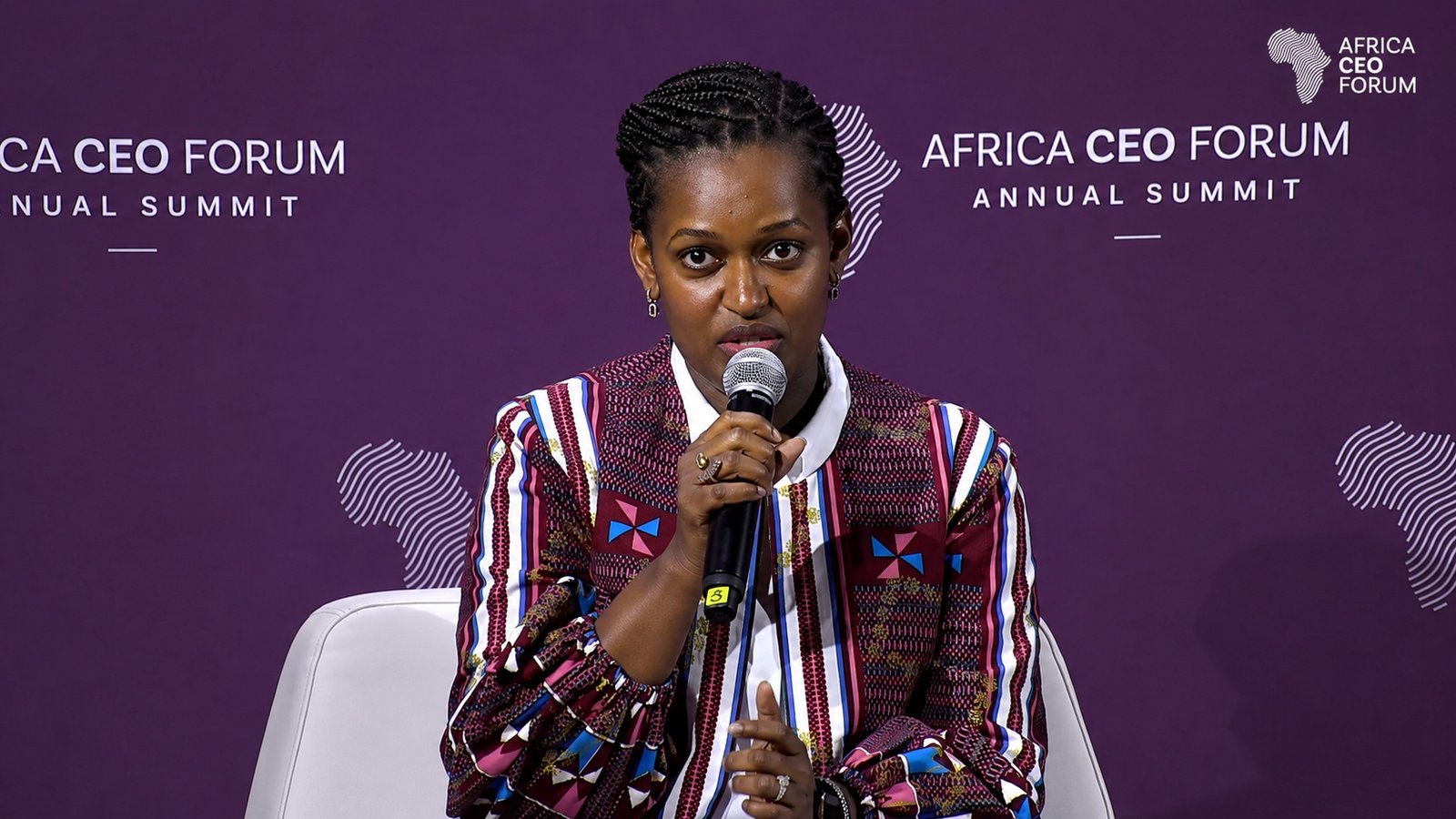
Speaking at the Africa CEO Forum Annual Summit in Kigali, Minister of State for Youth and Arts Sandrine Umutoni said the creative industries represent “an industry, it is an economy” that supports families, communities and jobs across multiple sectors.
Umutoni said Rwanda’s approach rests on four pillars that include policy reform, skills development, infrastructure and regional mobility for creatives.
Human capital development emerged as a central priority as governments seek to professionalize the sector and align it with labor market demands.
“The talent is at the center of this ecosystem, but alone it does not make the ecosystem,” Umutoni said, describing the need for managers, educators, lawyers and technical specialists to strengthen the industry’s long-term growth.
She said the sector requires managers “who understand the market” and professionals capable of negotiating contracts that protect artists’ interests. She also called for stronger intellectual property expertise and education systems that prepare workers for careers across the creative economy.
“We need the educators,” she said, urging institutions to invest in curricula “that reflects what is needed on the labor market.”
Rwanda has also prioritized intellectual property protection as part of its broader enabling environment for creatives.
Umutoni said ownership rights allow artists and producers to generate long-term wealth from their work rather than relying on repeated external financing.
The minister connected infrastructure investment to workforce development, pointing to the technical and operational skills required to support professional cultural venues and events.
She encouraged African countries to integrate cultural identity into public spaces and commercial buildings so visitors immediately recognize local heritage and design traditions.
Umutoni also identified visa restrictions across African borders as a persistent challenge limiting the movement of artists and cultural professionals across the continent.
The Africa CEO Forum, held in Kigali from May 14 to 15, brought together business leaders, policymakers and investors to discuss the continent’s economic priorities, including the future of Africa’s creative industries.