

HARARE
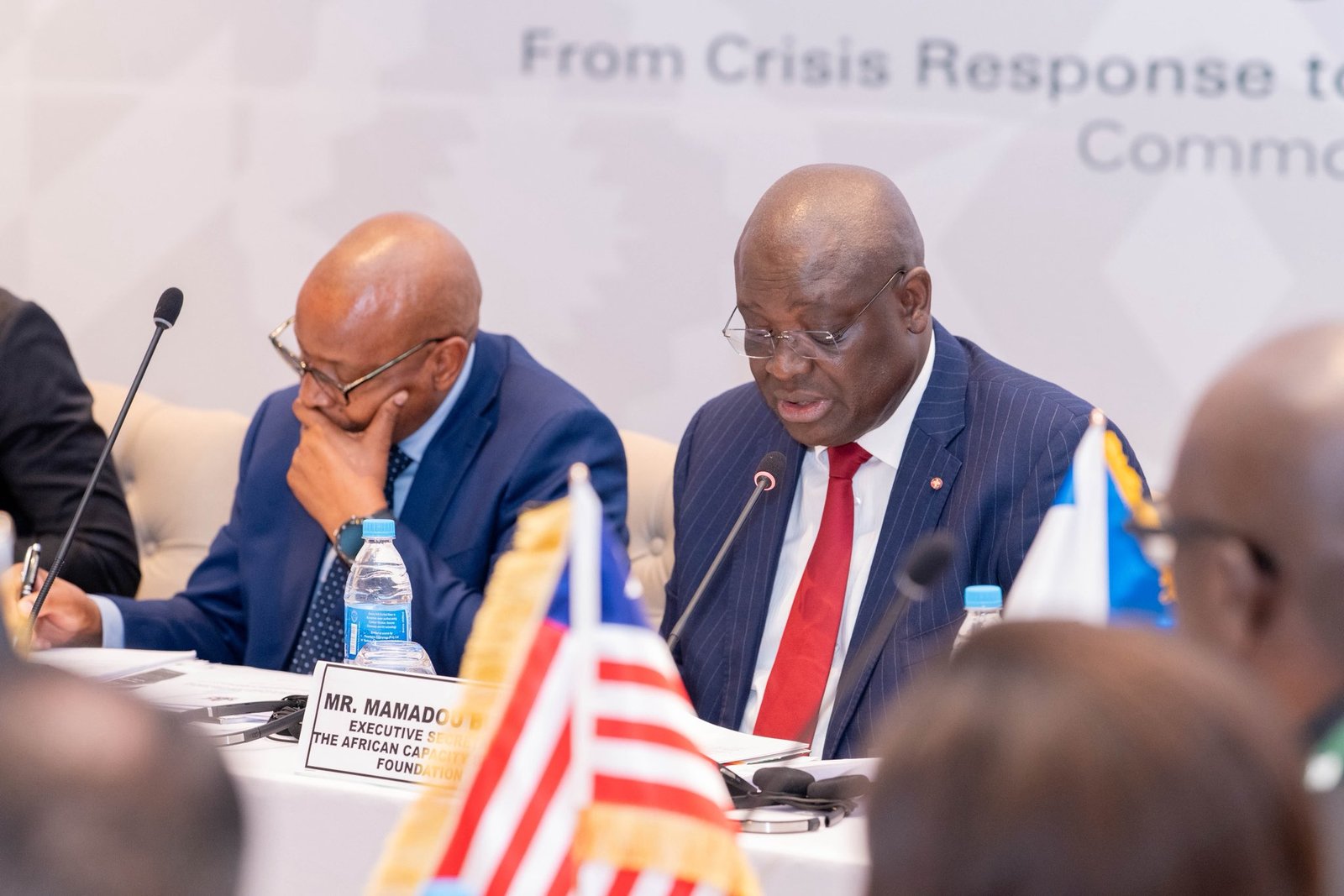
Capacity development will be central to implementing the Common African Position (CAP) on Debt, said Mamadou Biteye, executive secretary of the African Capacity Building Foundation, during the African Union Dialogue on Debt Sustainability and Reform.
The three-day event, held July 1-3, brought together finance ministers, central bank representatives, senior policymakers, regional institutions and development partners to agree on practical steps for implementing the CAP and advancing sustainable financing across the continent.
Opening the dialogue, Biteye said the adoption of the CAP by African leaders in February 2026 marked an important milestone, adding that the focus must now shift to implementation.
“The next challenge after the adoption of the Common African Position on Debt is its implementation.”
He emphasized that capacity development will underpin implementation of the CAP, noting:
“The Common African Position places capacity development at the center of Africa’s strategy for fiscal resilience and sustainable financing and calls on institutions such as ACBF to support technical expertise, knowledge platforms, debt management tools and continental capacity-building initiatives.”
Biteye welcomed the recognition of ACBF’s role and reaffirmed the foundation’s commitment to supporting African countries in building the capacity needed to implement the CAP.
“Today, I make this unequivocal declaration: ACBF stands fully committed to supporting African countries in building the capacity necessary to implement the Common African Position on Debt.”
He said ACBF is prepared to support member states in strengthening debt management institutions and leadership, public financial management systems, domestic resource mobilization, debt restructuring negotiation capacity, analytical capabilities and evidence-based policymaking.
He also outlined four priority areas for the foundation’s support: strengthening technical capacity for debt management, enhancing debt oversight and accountability, supporting the African Debt Monitoring Mechanism, and expanding Africa-authored research and policy advisory to strengthen the continent’s voice in global debt discussions.
Biteye noted that more than 20 African countries are either in debt distress or at high risk of debt distress, with rising debt-servicing costs constraining investment in health, education, infrastructure and climate resilience.
He called on Pan-African institutions to move “from coordination in principle to collaboration in practice” by aligning technical assistance, pooling analytical resources and strengthening continental cooperation on debt management and negotiations.
The dialogue, held under the theme “From Crisis Response to Sustainable Financing: Implementing the Common African Position on Debt,” is expected to produce an implementation framework for the CAP, identify financing and liquidity opportunities, advance continental debt negotiation tools and strengthen Africa’s collective engagement in global debt and financial reform discussions.