


N’DJAMENA
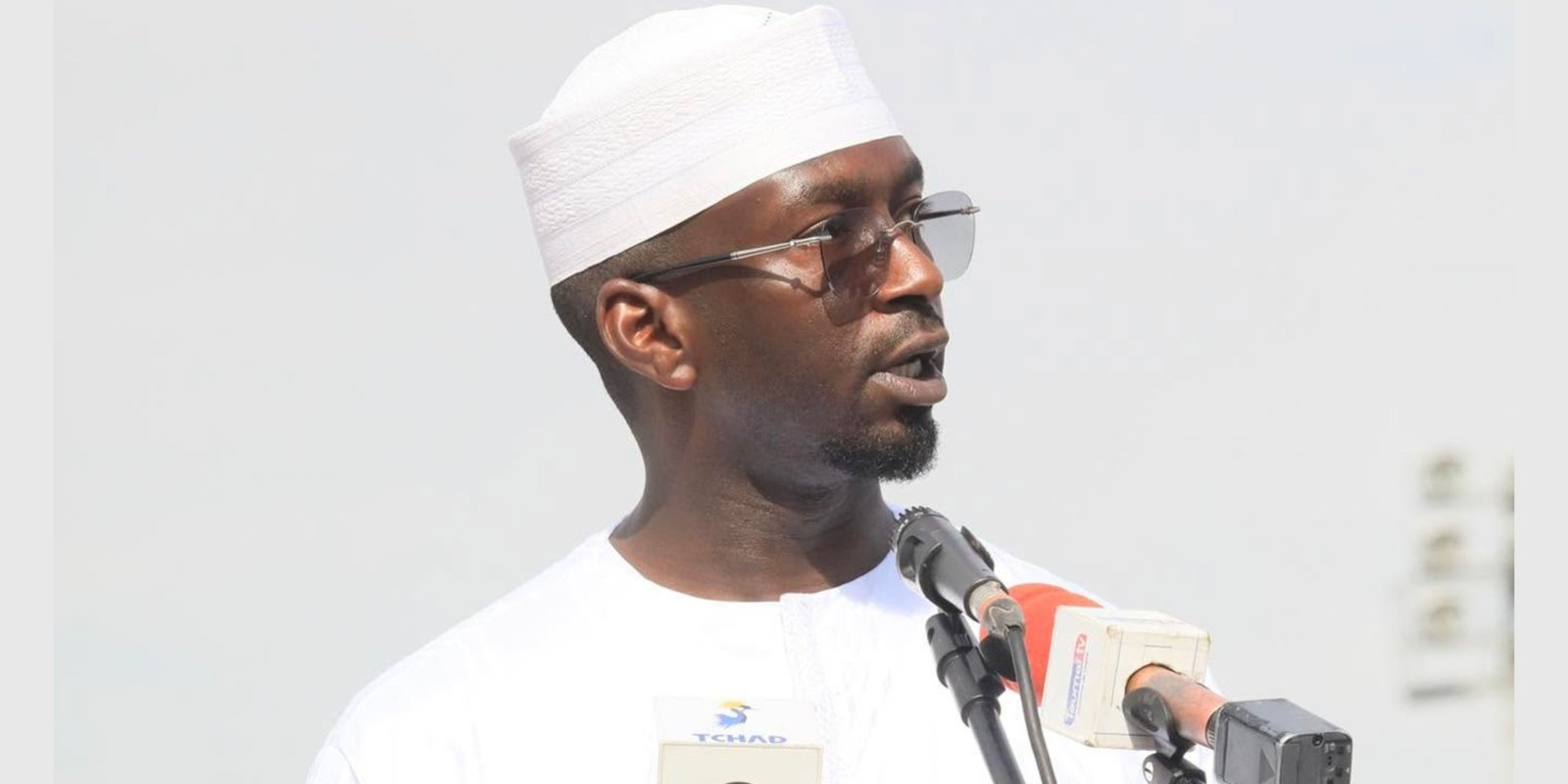
At 34, Naïr Abakar, one of Chad’s youngest cabinet ministers, used a recent Senate address to urge leaders to put unity, accountability and national interest ahead of personal rivalries, arguing that the country’s future extends far beyond sport.
“We are all accountable to history,” Abakar told lawmakers. “Chad first. The Chadian people first.”
His remarks came during a June 29 Senate session on the state of sport in Chad, but quickly broadened into an appeal for political maturity and collective responsibility as the country’s sporting institutions continue to grapple with internal divisions and governance challenges.
Without shying away from criticism, Abakar lamented what he described as personal attacks, factional rivalries and public disputes that have overshadowed efforts to develop sport.
“It is this kind of discourse that divides us,” he said. “It fuels hatred among Chadians and shows a lack of maturity for our country’s future.”
Rather than assigning blame, the minister said responsibility for Chad’s sporting progress rests with everyone, including government officials, senators, federation leaders and administrators.
“If our sport is not working today, whose fault is it?” he asked. “Each of us is responsible for the history of sport.”
Throughout his address, Abakar argued that leadership should be defined not by personal ambition but by the ability to unite people behind a common purpose.
“Our country deserves much better,” he said. “It deserves a mature vision, one that unites people.”
He also warned against airing internal disputes in public, particularly on social media, saying such controversies increasingly shape how Chad is perceived abroad.
Recalling recent tensions involving Chad’s football federation, players and coaching staff, Abakar said Burundi’s national team coach had contacted him on WhatsApp after following the controversy online.
“The world is watching us,” he said. “When we put everything on the internet, we are judged by the world.”
For Abakar, such episodes underscore the need to resolve disagreements through dialogue rather than public confrontation.
“Our problems should be solved at home, within the family, not on the internet, not in front of microphones where the whole world is watching,” he said.
The speech also focused on the example leaders set for younger generations.
“Our children are watching us. Our younger brothers are watching us. Is this the Chad we want to leave to the next generation?” he asked.
Abakar pledged that, under his leadership, the Ministry of Youth and Sports would not tolerate factional politics within sports federations.
“So long as I am minister, that will not happen in the ministry, and it will not happen in our federations,” he said.
He closed with an optimistic vision for Chad’s sporting future, expressing hope that the country could one day qualify for the Africa Cup of Nations and eventually the FIFA World Cup. He said achieving that goal would require stronger institutions as much as athletic talent.
A New Generation of Leadership
Born in 1991 in Longjumeau, France, Naïr Abakar has built his career around youth leadership, education and entrepreneurship. Before entering government, he founded Afrique Campus, a digital platform that helps African students navigate higher education opportunities and make informed decisions about their academic futures.
Abakar first gained national recognition in 2017 after launching the N’Djamena African Students Forum, which brought together young people from across the continent to discuss education, leadership and Africa’s future.
He later led civic engagement initiatives, including the Citizenship Week program at Lycée Félix Éboué, promoting civic responsibility among young Chadians.
He also served as a member of the African Union Youth Council and was named to the Choiseul 100 Africa Economic Leaders of Tomorrow in 2023 in recognition of his contributions to entrepreneurship and youth empowerment.
Appointed minister of youth and sports on April 1, 2026, Abakar is among the youngest cabinet ministers in Chad’s history. His career has centered on youth development, education and entrepreneurship, themes that continue to shape his approach to public service.