

Bantu Gazette

Bantu Gazette
  • Energy & Trade
  • Finance
  • Health
  • Politics & Economy
  • Technology
  • Environment
  • Feature
  • Opinion
  • Changemakers
  • Tourism & Culture
  • Sports
  • Magazine
Menu
  • Black Frame Studio
  • Magazine

Call for New Paradigm as Global Race for Africa’s Critical Minerals Intensifies

Call for New Paradigm as Global Race for Africa’s Critical Minerals Intensifies
Felix Tihby Felix Tih
March 11, 2025
Reading Time: 4 mins read

Call for New Paradigm as Global Race for Africa’s Critical Minerals Intensifies

Call for New Paradigm as Global Race for Africa’s Critical Minerals Intensifies
Felix Tihby Felix Tih
July 16, 2025
Reading Time: 4 mins read

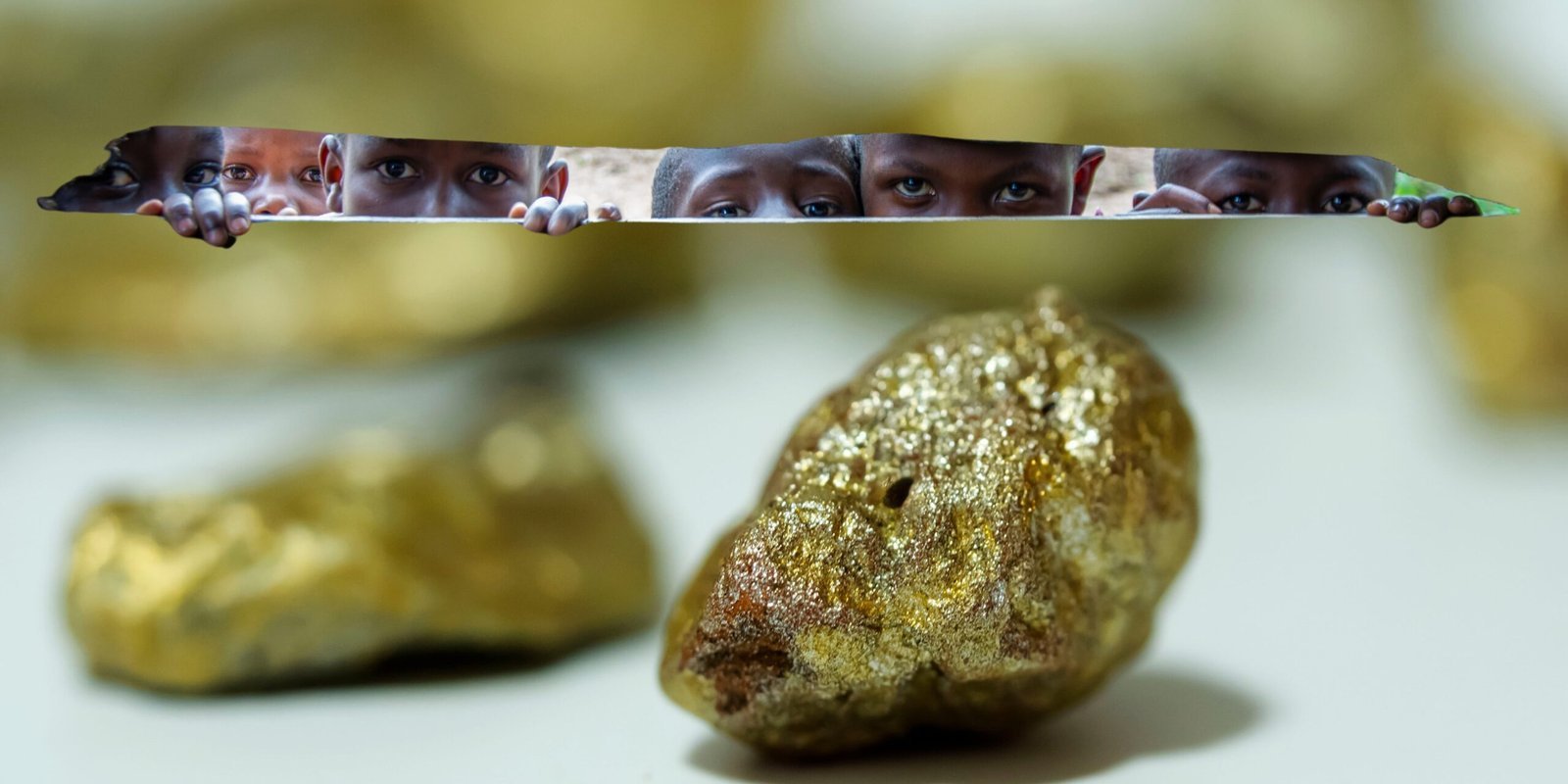
KINSHASA – As global demand for cobalt, lithium, and other critical minerals rises, Africa stands at a turning point. The continent holds vast reserves essential to clean energy and advanced technologies, yet risks repeating a familiar pattern: exporting raw materials while missing out on long-term economic benefits.

Experts and policymakers are now calling for a new approach, one grounded in fair contracts, stronger local participation, and value-added production.

“The level of excitement to make business deals in the critical mineral space is high these days,” Rama Yade, senior director at the Atlantic Council and former French minister and ambassador, said in a recent video post on X, formerly Twitter.

Speaking on Africa’s vast mineral reserves, Yade cautioned that while foreign investment surges, African nations must redefine how they engage with the global market to ensure long-term benefits for their economies and citizens.

A Continent Rich in Resources, Yet at Risk

Africa holds approximately 30% of the world’s critical mineral reserves. These elements are vital for the clean energy transition, powering electric vehicles, mobile phones, and medical technology. As demand skyrockets, so does competition.

The Democratic Republic of Congo (DRC), home to significant cobalt and lithium deposits, is at the center of this geopolitical struggle.

The United States recently signaled interest in a potential minerals-for-security deal with Congo, according to a Reuters report.

Meanwhile, China has long dominated Africa’s mining sector, investing heavily in extraction projects but often facing criticism for exploitative practices.

Security concerns further complicate the issue. The DRC’s ongoing battle against the M23 rebels has destabilized mineral-rich regions, threatening supply chains and investor confidence.

As global powers vie for access to these resources, African nations find themselves at a crossroads: continue the current path or push for policies that ensure greater local economic benefits.

Rama Yade’s Call for a Shift in Strategy

For Yade, Africa must change its approach to resource management. “Not to draw an unwanted attention on African resources, we know how, when it comes to its resources, Africa has always been the victim of predatory behaviors,” she said, pointing to historical exploitation by colonial powers and more recent economic pressures from China.

To break this cycle, she argues, African governments must take several steps:

  • Renegotiate mining contracts to secure better terms for local economies.
  • Strengthen legal frameworks to attract responsible investment while preventing exploitation.
  • Invest in human capital to build a competitive low-carbon manufacturing sector.
  • Encourage local participation in the mining industry rather than allowing foreign companies to extract raw materials with little return for African societies.

Without these changes, Yade warns, African nations will capture only a fraction of the estimated $200 billion in mining revenue expected over the next five years.

Opportunities and the Critical “If”

The economic potential is enormous. Experts project that Africa could generate between $200 million and $2 billion in annual revenue from critical minerals by 2030.

The sector could create up to five million jobs over the next three decades if African nations build a robust, low-carbon industrial base.

The keyword is “if.” If Africa continues to export raw materials without adding value, it risks repeating the mistakes of the past, watching wealth leave its shores while local communities remain impoverished.

But if governments implement strong policies, enforce fair mining agreements, and prioritize infrastructure development, the continent could emerge as a global leader in the critical minerals supply chain.

The Road Ahead: Seizing Africa’s Moment

The path forward is not without challenges. Corruption, weak governance, and foreign influence have long hindered Africa’s ability to fully capitalize on its resources.

Yade argues that African leaders must take control of their mineral wealth through “tight review of mining contracts, local participation, and national preference.”

This means extracting minerals, processing, and manufacturing them within Africa, thereby turning resources into long-term economic power.

As global competition for crucial minerals intensifies, Africa’s decisions today will determine whether it remains a supplier of raw materials or becomes a significant player in future industries.

With the world watching, the time to act is now.
Get the inside Story

Stay informed on the stories shaping Africa’s future. Get breaking news, in-depth analysis, opinions and exclusive insights from across the continent delivered to your inbox, free and unfiltered.


Get in touch for more:
Felix Tih
Editorial Director, Bantu Gazette
WhatsApp
LinkedIn
X (Twitter)
Instagram

Related Posts

Ethiopia Marks 130 Years of Adwa Victory as Symbol of African Sovereignty
Politics & Economy

Ethiopia Marks 130 Years of Adwa Victory as Symbol of African Sovereignty

March 2, 2026
DR Congo Launches Survey to Advance Gender Parity Reforms
Politics & Economy

DR Congo Launches Survey to Advance Gender Parity Reforms

February 27, 2026
Senegal Police Strengthen Gender Inclusion in Security Sector
Politics & Economy

Senegal Police Strengthen Gender Inclusion in Security Sector

February 27, 2026
Nigeria’s Dangote Refinery to Export Petrol After Meeting Domestic Demand
Energy & Trade

Nigeria’s Dangote Refinery to Export Petrol After Meeting Domestic Demand

February 25, 2026
Ghana Reports Fiscal Gains as Debt Falls and Inflation Eases
Politics & Economy

Ghana Reports Fiscal Gains as Debt Falls and Inflation Eases

February 24, 2026
Cameroon Cocoa Wins Gold at Global Quality Awards
Politics & Economy

Cameroon Cocoa Wins Gold at Global Quality Awards

February 23, 2026

Most Recent

Ethiopia Marks 130 Years of Adwa Victory as Symbol of African Sovereignty
Politics & Economy

Ethiopia Marks 130 Years of Adwa Victory as Symbol of African Sovereignty

by Felix Tih
March 2, 2026
0

Ethiopia on Monday marked the 130th anniversary of the Battle of Adwa with a national commemoration at the Adwa Victory...

Read moreDetails
Urgent Call for Action to Combat Antimicrobial Resistance in Africa

Angola Accelerates Final Steps to Eradicate Guinea Worm by 2030

March 1, 2026
DR Congo Launches Survey to Advance Gender Parity Reforms

DR Congo Launches Survey to Advance Gender Parity Reforms

February 27, 2026
Senegal Police Strengthen Gender Inclusion in Security Sector

Senegal Police Strengthen Gender Inclusion in Security Sector

February 27, 2026
Nigeria’s Dangote Refinery to Export Petrol After Meeting Domestic Demand

Nigeria’s Dangote Refinery to Export Petrol After Meeting Domestic Demand

February 25, 2026
Ghana Reports Fiscal Gains as Debt Falls and Inflation Eases

Ghana Reports Fiscal Gains as Debt Falls and Inflation Eases

February 24, 2026
Cameroon Cocoa Wins Gold at Global Quality Awards

Cameroon Cocoa Wins Gold at Global Quality Awards

February 23, 2026
Ethiopia Marks 130 Years of Adwa Victory as Symbol of African Sovereignty
Politics & Economy

Ethiopia Marks 130 Years of Adwa Victory as Symbol of African Sovereignty

by Felix Tih
Reading Time: 2 mins read
March 2, 2026
0

Ethiopia on Monday marked the 130th anniversary of the Battle of Adwa with a national commemoration at the Adwa Victory...

Read moreDetails
Urgent Call for Action to Combat Antimicrobial Resistance in Africa
Health

Angola Accelerates Final Steps to Eradicate Guinea Worm by 2030

by Naledi Kgosi
Reading Time: 2 mins read
March 1, 2026
0

Angola has marked five consecutive years without a single human case of Guinea worm disease, health officials said, as the...

Read moreDetails
DR Congo Launches Survey to Advance Gender Parity Reforms
Politics & Economy

DR Congo Launches Survey to Advance Gender Parity Reforms

by Elise Ntebah
Reading Time: 1 min read
February 27, 2026
0

The Democratic Republic of Congo has launched a nationwide survey to assess how gender policy is understood and implemented across...

Read moreDetails

Call for New Paradigm as Global Race for Africa’s Critical Minerals Intensifies

Call for New Paradigm as Global Race for Africa’s Critical Minerals Intensifies

KINSHASA – As global demand for cobalt, lithium, and other critical minerals rises, Africa stands at a turning point. The continent holds vast reserves essential to clean energy and advanced technologies, yet risks repeating a familiar pattern: exporting raw materials while missing out on long-term economic benefits.

Experts and policymakers are now calling for a new approach, one grounded in fair contracts, stronger local participation, and value-added production.

“The level of excitement to make business deals in the critical mineral space is high these days,” Rama Yade, senior director at the Atlantic Council and former French minister and ambassador, said in a recent video post on X, formerly Twitter.

Speaking on Africa’s vast mineral reserves, Yade cautioned that while foreign investment surges, African nations must redefine how they engage with the global market to ensure long-term benefits for their economies and citizens.

A Continent Rich in Resources, Yet at Risk

Africa holds approximately 30% of the world’s critical mineral reserves. These elements are vital for the clean energy transition, powering electric vehicles, mobile phones, and medical technology. As demand skyrockets, so does competition.

The Democratic Republic of Congo (DRC), home to significant cobalt and lithium deposits, is at the center of this geopolitical struggle.

The United States recently signaled interest in a potential minerals-for-security deal with Congo, according to a Reuters report.

Meanwhile, China has long dominated Africa’s mining sector, investing heavily in extraction projects but often facing criticism for exploitative practices.

Security concerns further complicate the issue. The DRC’s ongoing battle against the M23 rebels has destabilized mineral-rich regions, threatening supply chains and investor confidence.

As global powers vie for access to these resources, African nations find themselves at a crossroads: continue the current path or push for policies that ensure greater local economic benefits.

Rama Yade’s Call for a Shift in Strategy

For Yade, Africa must change its approach to resource management. “Not to draw an unwanted attention on African resources, we know how, when it comes to its resources, Africa has always been the victim of predatory behaviors,” she said, pointing to historical exploitation by colonial powers and more recent economic pressures from China.

To break this cycle, she argues, African governments must take several steps:

  • Renegotiate mining contracts to secure better terms for local economies.
  • Strengthen legal frameworks to attract responsible investment while preventing exploitation.
  • Invest in human capital to build a competitive low-carbon manufacturing sector.
  • Encourage local participation in the mining industry rather than allowing foreign companies to extract raw materials with little return for African societies.

Without these changes, Yade warns, African nations will capture only a fraction of the estimated $200 billion in mining revenue expected over the next five years.

Opportunities and the Critical “If”

The economic potential is enormous. Experts project that Africa could generate between $200 million and $2 billion in annual revenue from critical minerals by 2030.

The sector could create up to five million jobs over the next three decades if African nations build a robust, low-carbon industrial base.

The keyword is “if.” If Africa continues to export raw materials without adding value, it risks repeating the mistakes of the past, watching wealth leave its shores while local communities remain impoverished.

But if governments implement strong policies, enforce fair mining agreements, and prioritize infrastructure development, the continent could emerge as a global leader in the critical minerals supply chain.

The Road Ahead: Seizing Africa’s Moment

The path forward is not without challenges. Corruption, weak governance, and foreign influence have long hindered Africa’s ability to fully capitalize on its resources.

Yade argues that African leaders must take control of their mineral wealth through “tight review of mining contracts, local participation, and national preference.”

This means extracting minerals, processing, and manufacturing them within Africa, thereby turning resources into long-term economic power.

As global competition for crucial minerals intensifies, Africa’s decisions today will determine whether it remains a supplier of raw materials or becomes a significant player in future industries.

With the world watching, the time to act is now.

Call for New Paradigm as Global Race for Africa’s Critical Minerals Intensifies

Call for New Paradigm as Global Race for Africa’s Critical Minerals Intensifies
Felix Tihby Felix Tih
March 11, 2025

KINSHASA – As global demand for cobalt, lithium, and other critical minerals rises, Africa stands at a turning point. The continent holds vast reserves essential to clean energy and advanced technologies, yet risks repeating a familiar pattern: exporting raw materials while missing out on long-term economic benefits.

Experts and policymakers are now calling for a new approach, one grounded in fair contracts, stronger local participation, and value-added production.

“The level of excitement to make business deals in the critical mineral space is high these days,” Rama Yade, senior director at the Atlantic Council and former French minister and ambassador, said in a recent video post on X, formerly Twitter.

Speaking on Africa’s vast mineral reserves, Yade cautioned that while foreign investment surges, African nations must redefine how they engage with the global market to ensure long-term benefits for their economies and citizens.

A Continent Rich in Resources, Yet at Risk

Africa holds approximately 30% of the world’s critical mineral reserves. These elements are vital for the clean energy transition, powering electric vehicles, mobile phones, and medical technology. As demand skyrockets, so does competition.

The Democratic Republic of Congo (DRC), home to significant cobalt and lithium deposits, is at the center of this geopolitical struggle.

The United States recently signaled interest in a potential minerals-for-security deal with Congo, according to a Reuters report.

Meanwhile, China has long dominated Africa’s mining sector, investing heavily in extraction projects but often facing criticism for exploitative practices.

Security concerns further complicate the issue. The DRC’s ongoing battle against the M23 rebels has destabilized mineral-rich regions, threatening supply chains and investor confidence.

As global powers vie for access to these resources, African nations find themselves at a crossroads: continue the current path or push for policies that ensure greater local economic benefits.

Rama Yade’s Call for a Shift in Strategy

For Yade, Africa must change its approach to resource management. “Not to draw an unwanted attention on African resources, we know how, when it comes to its resources, Africa has always been the victim of predatory behaviors,” she said, pointing to historical exploitation by colonial powers and more recent economic pressures from China.

To break this cycle, she argues, African governments must take several steps:

  • Renegotiate mining contracts to secure better terms for local economies.
  • Strengthen legal frameworks to attract responsible investment while preventing exploitation.
  • Invest in human capital to build a competitive low-carbon manufacturing sector.
  • Encourage local participation in the mining industry rather than allowing foreign companies to extract raw materials with little return for African societies.

Without these changes, Yade warns, African nations will capture only a fraction of the estimated $200 billion in mining revenue expected over the next five years.

Opportunities and the Critical “If”

The economic potential is enormous. Experts project that Africa could generate between $200 million and $2 billion in annual revenue from critical minerals by 2030.

The sector could create up to five million jobs over the next three decades if African nations build a robust, low-carbon industrial base.

The keyword is “if.” If Africa continues to export raw materials without adding value, it risks repeating the mistakes of the past, watching wealth leave its shores while local communities remain impoverished.

But if governments implement strong policies, enforce fair mining agreements, and prioritize infrastructure development, the continent could emerge as a global leader in the critical minerals supply chain.

The Road Ahead: Seizing Africa’s Moment

The path forward is not without challenges. Corruption, weak governance, and foreign influence have long hindered Africa’s ability to fully capitalize on its resources.

Yade argues that African leaders must take control of their mineral wealth through “tight review of mining contracts, local participation, and national preference.”

This means extracting minerals, processing, and manufacturing them within Africa, thereby turning resources into long-term economic power.

As global competition for crucial minerals intensifies, Africa’s decisions today will determine whether it remains a supplier of raw materials or becomes a significant player in future industries.

With the world watching, the time to act is now.

Get the inside Story

Stay informed on the stories shaping Africa’s future. Get breaking news, in-depth analysis, opinions and exclusive insights from across the continent delivered to your inbox, free and unfiltered.


Get in touch for more:
Felix Tih
Editorial Director, Bantu Gazette
WhatsApp
LinkedIn
X (Twitter)
Instagram

Related Posts

Ethiopia Marks 130 Years of Adwa Victory as Symbol of African Sovereignty

Ethiopia Marks 130 Years of Adwa Victory as Symbol of African Sovereignty

by Felix Tih
March 2, 2026
0

...

DR Congo Launches Survey to Advance Gender Parity Reforms

DR Congo Launches Survey to Advance Gender Parity Reforms

by Elise Ntebah
February 27, 2026
0

...

Senegal Police Strengthen Gender Inclusion in Security Sector

Senegal Police Strengthen Gender Inclusion in Security Sector

by Aissatou Fall
February 27, 2026
0

...

Nigeria’s Dangote Refinery to Export Petrol After Meeting Domestic Demand

Nigeria’s Dangote Refinery to Export Petrol After Meeting Domestic Demand

by Naledi Kgosi
February 25, 2026
0

...

Ghana Reports Fiscal Gains as Debt Falls and Inflation Eases

Ghana Reports Fiscal Gains as Debt Falls and Inflation Eases

by Aissatou Fall
February 24, 2026
0

...

Cameroon Cocoa Wins Gold at Global Quality Awards

Cameroon Cocoa Wins Gold at Global Quality Awards

by Nora Tabe
February 23, 2026
0

...

Ethiopia Marks 130 Years of Adwa Victory as Symbol of African Sovereignty
Politics & Economy

Ethiopia Marks 130 Years of Adwa Victory as Symbol of African Sovereignty

by Felix Tih
Reading Time: 2 mins read
March 2, 2026
0

Ethiopia on Monday marked the 130th anniversary of the Battle of Adwa with a national commemoration at the Adwa Victory...

Read moreDetails
Urgent Call for Action to Combat Antimicrobial Resistance in Africa

Angola Accelerates Final Steps to Eradicate Guinea Worm by 2030

by Naledi Kgosi
March 1, 2026
0

Angola has marked five consecutive years without a single human case of Guinea worm disease, health officials said, as the...

DR Congo Launches Survey to Advance Gender Parity Reforms

DR Congo Launches Survey to Advance Gender Parity Reforms

by Elise Ntebah
February 27, 2026
0

The Democratic Republic of Congo has launched a nationwide survey to assess how gender policy is understood and implemented across...

Senegal Police Strengthen Gender Inclusion in Security Sector

Senegal Police Strengthen Gender Inclusion in Security Sector

by Aissatou Fall
February 27, 2026
0

The Senegal National Police took a step toward strengthening gender inclusion within the country’s security institutions following a meeting of...

Nigeria’s Dangote Refinery to Export Petrol After Meeting Domestic Demand

Nigeria’s Dangote Refinery to Export Petrol After Meeting Domestic Demand

by Naledi Kgosi
February 25, 2026
0

Nigeria’s Dangote refinery will export up to 20 million liters of petrol daily after surpassing domestic demand, a milestone that...

Next Post
Côte d’Ivoire : Le ministre des Finances salue le dialogue public-privé

Côte d'Ivoire : Le ministre des Finances salue le dialogue public-privé

Institutional, Policy Reforms Key to Boosting Liberia’s Economic Growth

Institutional, Policy Reforms Key to Boosting Liberia’s Economic Growth

South Africa’s Motsepe Re-Elected as African Football Chief

South Africa’s Motsepe Re-Elected as African Football Chief

Côte d’Ivoire : création d’une réserve naturelle de 49 hectares à Rubino

Côte d’Ivoire : création d’une réserve naturelle de 49 hectares à Rubino

Bantu Gazette is a pioneering news platform that champions Africa's development, culture, and heritage. We spotlight the continent's successes, address its challenges, and provide insightful coverage of events that shape its future.

Bantu Gazette is a pioneering news platform that champions Africa's development, culture, and heritage. We spotlight the continent's successes, address its challenges, and provide insightful coverage of events that shape its future.

Our Platforms

  • Bantu Magazine
  • Bantu Brief
  • Black Frame Studio

Our Services

  • Bantu Agency
  • Advertise
  • Partnerships

Our Services

  • Editorial Director
  • Opportunities
  • Contact

Bantu Gazette is a pioneering news platform that champions Africa's development, culture, and heritage. We spotlight the continent's successes, address its challenges, and provide insightful coverage of events that shape its future.

Our Platforms

  • Bantu Magazine
  • Bantu Brief
  • Black Frame Studio

Our Services

  • Bantu Agency
  • Advertise
  • Partnerships

Our Services

  • Editorial Director
  • Opportunities
  • Contact
Bantu Gazette
  • Energy & Trade
  • Finance
  • Health
  • Politics & Economy
  • Technology
  • Environment
  • Feature
  • Opinion
  • Changemakers
  • Tourism & Culture
  • Magazine