
Bantu Gazette

Bantu Gazette
  • Energy & Trade
  • Finance
  • Health
  • Politics & Economy
  • Technology
  • Environment
  • Feature
  • Opinion
  • Changemakers
  • Tourism & Culture
  • Sports
  • Magazine
Menu
  • Black Frame Studio
  • Magazine

Assessment of the Needs of Populations Affected by the Demarcation of the Cameroon-Nigeria Border

Assessment of the Needs of Populations Affected by the Demarcation of the Cameroon-Nigeria Border

assessment of the needs of populations affected by the demarcation of the cameroon nigeria border

Bantu Gazetteby Bantu Gazette
November 17, 2024
Reading Time: 3 mins read

Assessment of the Needs of Populations Affected by the Demarcation of the Cameroon-Nigeria Border

Assessment of the Needs of Populations Affected by the Demarcation of the Cameroon-Nigeria Border

assessment of the needs of populations affected by the demarcation of the cameroon nigeria border

Assessment of the Needs of Populations Affected by the Demarcation of the Cameroon-Nigeria Border

assessment of the needs of populations affected by the demarcation of the cameroon nigeria border

Bantu Gazetteby Bantu Gazette
January 22, 2026
Reading Time: 3 mins read

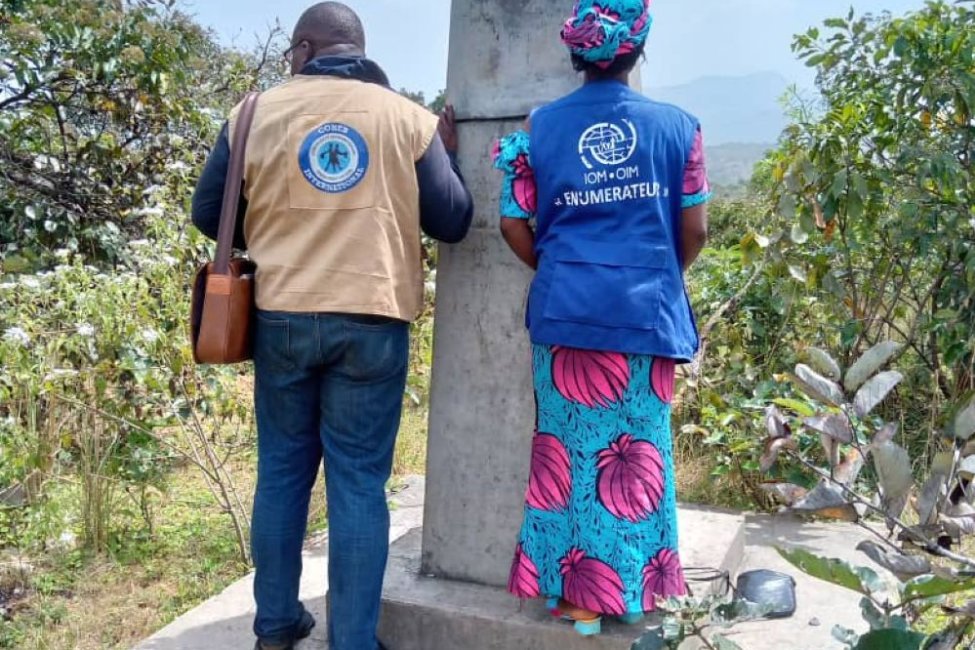
In 2002, the International Court of Justice issued a ruling on the border dispute between Cameroon and Nigeria. To facilitate the implementation of this decision, the Cameroon-Nigeria Mixed Commission (CMCN) was established with the support of the United Nations Migration Agency – International Organization for Migration (IOM). In this context, the IOM conducted a survey aimed at assessing the needs of populations living along the newly demarcated border between the two countries. To carry out this survey, the IOM sought the participation of various international organizations such as the World Health Organization (WHO), the United

Nations Population Fund (UNFPA), and the United Nations Office for West Africa and the Sahel (UNOWAS). Key Cameroonian public administrations such as the Ministry of Territorial Administration (MINAT), the Ministry of Social Affairs (MINAS), the Ministry of Water and Energy (MINEE), and the Ministry of Public Health (MINSANTE) were also closely involved. The official data collection mission took place from October 23 to November 1, 2023, in the regions of the Far North, North, and Adamawa. A total of 3,000 households across 70 localities were surveyed. The research team ensured the selection of a representative sample along the border and within each district. Ultimately, 3,212 forms were completed, of which 2,806 were filled out by heads of households, representing 22,448 individuals directly affected by the study.

The survey conducted resulted in the following key findings by sector:

In the trade sector, 84% of traders are not organized into associations. In terms of health, while 70% of households have access to community health services, 25% have no health worker nearby, and 50% find costs too high. Regarding water, 94% of water points are unlit, and 41% of respondents cite poverty as the main barrier to access. In hygiene and sanitation, 90% of toilets are not gender-sensitive, 55% of latrines are in poor condition, and 80% of households dispose of their waste in nature. The assessment of the situation in schools is particularly concerning, as 77% lack a water point, 73% do not have handwashing facilities, and 49% do not have functional toilets. To improve the situation in the area of security, it is recommended to enhance access to electrification in social cohesion spaces. In the commercial sector, support for establishing coordination structures for cross-border activities is necessary. In health, strengthening the capacities of community health workers, raising awareness among populations, and improving access to primary healthcare are essential. In the water sector, investments are required to develop infrastructure and ensure sustainable access to quality water. In terms of sanitation and hygiene, constructing new latrines, promoting healthy hygiene practices, and ensuring access to appropriate cleaning products are priorities, including in schools.

This in-depth study of the needs of border populations between Cameroon and Nigeria aligns with the Sustainable Development Goals (SDGs) 1, 3, and 6, relating to the fight against poverty, health, access to water and sanitation, is detailed in the attached documents:

Report of the Joint Mission EN
Needs Assessment Brief EN
Infosheet Demarcation Nigeria Cameroon EN

SOURCE : IOM

 

Get the inside Story

Stay informed on the stories shaping Africa’s future. Get breaking news, in-depth analysis, opinions and exclusive insights from across the continent delivered to your inbox, free and unfiltered.


Get in touch for more:
Felix Tih
Editorial Director, Bantu Gazette
WhatsApp
LinkedIn
X (Twitter)
Instagram

Related Posts

Nigeria’s Tinubu Hails Economic Growth After 2025 Gains, Tax Reforms
Politics & Economy

Nigeria Records 4.07% GDP Growth in Q4 2025 as Reforms Boost Key Sectors

March 3, 2026
Ethiopia Marks 130 Years of Adwa Victory as Symbol of African Sovereignty
Politics & Economy

Ethiopia Marks 130 Years of Adwa Victory as Symbol of African Sovereignty

March 2, 2026
DR Congo Launches Survey to Advance Gender Parity Reforms
Politics & Economy

DR Congo Launches Survey to Advance Gender Parity Reforms

February 27, 2026
Senegal Police Strengthen Gender Inclusion in Security Sector
Politics & Economy

Senegal Police Strengthen Gender Inclusion in Security Sector

March 4, 2026
Ghana Reports Fiscal Gains as Debt Falls and Inflation Eases
Politics & Economy

Ghana Reports Fiscal Gains as Debt Falls and Inflation Eases

March 4, 2026
Cameroon Cocoa Wins Gold at Global Quality Awards
Politics & Economy

Cameroon Cocoa Wins Gold at Global Quality Awards

February 23, 2026

Most Recent

Africa’s Water Towers Under Threat as the Globe Marks World Water Day
Finance

Experts Urge Domestic Capital Push to Close Africa’s $50 Billion Water Gap

by Felix Tih
March 5, 2026
0

Facing an annual water and sanitation financing gap of up to $50 billion, African development experts are calling for a...

Read moreDetails
Nigeria’s Tinubu Hails Economic Growth After 2025 Gains, Tax Reforms

Nigeria Records 4.07% GDP Growth in Q4 2025 as Reforms Boost Key Sectors

March 3, 2026
Ethiopia Marks 130 Years of Adwa Victory as Symbol of African Sovereignty

Ethiopia Marks 130 Years of Adwa Victory as Symbol of African Sovereignty

March 2, 2026
Urgent Call for Action to Combat Antimicrobial Resistance in Africa

Angola Accelerates Final Steps to Eradicate Guinea Worm by 2030

March 4, 2026
DR Congo Launches Survey to Advance Gender Parity Reforms

DR Congo Launches Survey to Advance Gender Parity Reforms

February 27, 2026
Senegal Police Strengthen Gender Inclusion in Security Sector

Senegal Police Strengthen Gender Inclusion in Security Sector

March 4, 2026
Nigeria’s Dangote Refinery to Export Petrol After Meeting Domestic Demand

Nigeria’s Dangote Refinery to Export Petrol After Meeting Domestic Demand

March 4, 2026
Africa’s Water Towers Under Threat as the Globe Marks World Water Day
Finance

Experts Urge Domestic Capital Push to Close Africa’s $50 Billion Water Gap

by Felix Tih
Reading Time: 1 min read
March 5, 2026
0

Facing an annual water and sanitation financing gap of up to $50 billion, African development experts are calling for a...

Read moreDetails
Nigeria’s Tinubu Hails Economic Growth After 2025 Gains, Tax Reforms
Politics & Economy

Nigeria Records 4.07% GDP Growth in Q4 2025 as Reforms Boost Key Sectors

by Elise Ntebah
Reading Time: 1 min read
March 3, 2026
0

Nigeria’s economy grew by 4.07% in the fourth quarter of 2025, reflecting broad-based expansion across key sectors, according to a...

Read moreDetails
Ethiopia Marks 130 Years of Adwa Victory as Symbol of African Sovereignty
Politics & Economy

Ethiopia Marks 130 Years of Adwa Victory as Symbol of African Sovereignty

by Felix Tih
Reading Time: 2 mins read
March 2, 2026
0

Ethiopia on Monday marked the 130th anniversary of the Battle of Adwa with a national commemoration at the Adwa Victory...

Read moreDetails

Assessment of the Needs of Populations Affected by the Demarcation of the Cameroon-Nigeria Border

Assessment of the Needs of Populations Affected by the Demarcation of the Cameroon-Nigeria Border

assessment of the needs of populations affected by the demarcation of the cameroon nigeria border

In 2002, the International Court of Justice issued a ruling on the border dispute between Cameroon and Nigeria. To facilitate the implementation of this decision, the Cameroon-Nigeria Mixed Commission (CMCN) was established with the support of the United Nations Migration Agency – International Organization for Migration (IOM). In this context, the IOM conducted a survey aimed at assessing the needs of populations living along the newly demarcated border between the two countries. To carry out this survey, the IOM sought the participation of various international organizations such as the World Health Organization (WHO), the United

Nations Population Fund (UNFPA), and the United Nations Office for West Africa and the Sahel (UNOWAS). Key Cameroonian public administrations such as the Ministry of Territorial Administration (MINAT), the Ministry of Social Affairs (MINAS), the Ministry of Water and Energy (MINEE), and the Ministry of Public Health (MINSANTE) were also closely involved. The official data collection mission took place from October 23 to November 1, 2023, in the regions of the Far North, North, and Adamawa. A total of 3,000 households across 70 localities were surveyed. The research team ensured the selection of a representative sample along the border and within each district. Ultimately, 3,212 forms were completed, of which 2,806 were filled out by heads of households, representing 22,448 individuals directly affected by the study.

The survey conducted resulted in the following key findings by sector:

In the trade sector, 84% of traders are not organized into associations. In terms of health, while 70% of households have access to community health services, 25% have no health worker nearby, and 50% find costs too high. Regarding water, 94% of water points are unlit, and 41% of respondents cite poverty as the main barrier to access. In hygiene and sanitation, 90% of toilets are not gender-sensitive, 55% of latrines are in poor condition, and 80% of households dispose of their waste in nature. The assessment of the situation in schools is particularly concerning, as 77% lack a water point, 73% do not have handwashing facilities, and 49% do not have functional toilets. To improve the situation in the area of security, it is recommended to enhance access to electrification in social cohesion spaces. In the commercial sector, support for establishing coordination structures for cross-border activities is necessary. In health, strengthening the capacities of community health workers, raising awareness among populations, and improving access to primary healthcare are essential. In the water sector, investments are required to develop infrastructure and ensure sustainable access to quality water. In terms of sanitation and hygiene, constructing new latrines, promoting healthy hygiene practices, and ensuring access to appropriate cleaning products are priorities, including in schools.

This in-depth study of the needs of border populations between Cameroon and Nigeria aligns with the Sustainable Development Goals (SDGs) 1, 3, and 6, relating to the fight against poverty, health, access to water and sanitation, is detailed in the attached documents:

Report of the Joint Mission EN
Needs Assessment Brief EN
Infosheet Demarcation Nigeria Cameroon EN

SOURCE : IOM
 

Assessment of the Needs of Populations Affected by the Demarcation of the Cameroon-Nigeria Border

Assessment of the Needs of Populations Affected by the Demarcation of the Cameroon-Nigeria Border

assessment of the needs of populations affected by the demarcation of the cameroon nigeria border

Bantu Gazetteby Bantu Gazette
November 17, 2024

In 2002, the International Court of Justice issued a ruling on the border dispute between Cameroon and Nigeria. To facilitate the implementation of this decision, the Cameroon-Nigeria Mixed Commission (CMCN) was established with the support of the United Nations Migration Agency – International Organization for Migration (IOM). In this context, the IOM conducted a survey aimed at assessing the needs of populations living along the newly demarcated border between the two countries. To carry out this survey, the IOM sought the participation of various international organizations such as the World Health Organization (WHO), the United

Nations Population Fund (UNFPA), and the United Nations Office for West Africa and the Sahel (UNOWAS). Key Cameroonian public administrations such as the Ministry of Territorial Administration (MINAT), the Ministry of Social Affairs (MINAS), the Ministry of Water and Energy (MINEE), and the Ministry of Public Health (MINSANTE) were also closely involved. The official data collection mission took place from October 23 to November 1, 2023, in the regions of the Far North, North, and Adamawa. A total of 3,000 households across 70 localities were surveyed. The research team ensured the selection of a representative sample along the border and within each district. Ultimately, 3,212 forms were completed, of which 2,806 were filled out by heads of households, representing 22,448 individuals directly affected by the study.

The survey conducted resulted in the following key findings by sector:

In the trade sector, 84% of traders are not organized into associations. In terms of health, while 70% of households have access to community health services, 25% have no health worker nearby, and 50% find costs too high. Regarding water, 94% of water points are unlit, and 41% of respondents cite poverty as the main barrier to access. In hygiene and sanitation, 90% of toilets are not gender-sensitive, 55% of latrines are in poor condition, and 80% of households dispose of their waste in nature. The assessment of the situation in schools is particularly concerning, as 77% lack a water point, 73% do not have handwashing facilities, and 49% do not have functional toilets. To improve the situation in the area of security, it is recommended to enhance access to electrification in social cohesion spaces. In the commercial sector, support for establishing coordination structures for cross-border activities is necessary. In health, strengthening the capacities of community health workers, raising awareness among populations, and improving access to primary healthcare are essential. In the water sector, investments are required to develop infrastructure and ensure sustainable access to quality water. In terms of sanitation and hygiene, constructing new latrines, promoting healthy hygiene practices, and ensuring access to appropriate cleaning products are priorities, including in schools.

This in-depth study of the needs of border populations between Cameroon and Nigeria aligns with the Sustainable Development Goals (SDGs) 1, 3, and 6, relating to the fight against poverty, health, access to water and sanitation, is detailed in the attached documents:

Report of the Joint Mission EN
Needs Assessment Brief EN
Infosheet Demarcation Nigeria Cameroon EN

SOURCE : IOM

 

Get the inside Story

Stay informed on the stories shaping Africa’s future. Get breaking news, in-depth analysis, opinions and exclusive insights from across the continent delivered to your inbox, free and unfiltered.


Get in touch for more:
Felix Tih
Editorial Director, Bantu Gazette
WhatsApp
LinkedIn
X (Twitter)
Instagram

Related Posts

Nigeria’s Tinubu Hails Economic Growth After 2025 Gains, Tax Reforms

Nigeria Records 4.07% GDP Growth in Q4 2025 as Reforms Boost Key Sectors

by Elise Ntebah
March 3, 2026
0

...

Ethiopia Marks 130 Years of Adwa Victory as Symbol of African Sovereignty

Ethiopia Marks 130 Years of Adwa Victory as Symbol of African Sovereignty

by Felix Tih
March 2, 2026
0

...

DR Congo Launches Survey to Advance Gender Parity Reforms

DR Congo Launches Survey to Advance Gender Parity Reforms

by Elise Ntebah
February 27, 2026
0

...

Senegal Police Strengthen Gender Inclusion in Security Sector

Senegal Police Strengthen Gender Inclusion in Security Sector

by Aissatou Fall
February 27, 2026
0

...

Ghana Reports Fiscal Gains as Debt Falls and Inflation Eases

Ghana Reports Fiscal Gains as Debt Falls and Inflation Eases

by Aissatou Fall
February 24, 2026
0

...

Cameroon Cocoa Wins Gold at Global Quality Awards

Cameroon Cocoa Wins Gold at Global Quality Awards

by Nora Tabe
February 23, 2026
0

...

Africa’s Water Towers Under Threat as the Globe Marks World Water Day
Finance

Experts Urge Domestic Capital Push to Close Africa’s $50 Billion Water Gap

by Felix Tih
Reading Time: 1 min read
March 5, 2026
0

Facing an annual water and sanitation financing gap of up to $50 billion, African development experts are calling for a...

Read moreDetails
Nigeria’s Tinubu Hails Economic Growth After 2025 Gains, Tax Reforms

Nigeria Records 4.07% GDP Growth in Q4 2025 as Reforms Boost Key Sectors

by Elise Ntebah
March 3, 2026
0

Nigeria’s economy grew by 4.07% in the fourth quarter of 2025, reflecting broad-based expansion across key sectors, according to a...

Ethiopia Marks 130 Years of Adwa Victory as Symbol of African Sovereignty

Ethiopia Marks 130 Years of Adwa Victory as Symbol of African Sovereignty

by Felix Tih
March 2, 2026
0

Ethiopia on Monday marked the 130th anniversary of the Battle of Adwa with a national commemoration at the Adwa Victory...

Urgent Call for Action to Combat Antimicrobial Resistance in Africa

Angola Accelerates Final Steps to Eradicate Guinea Worm by 2030

by Naledi Kgosi
March 1, 2026
0

Angola has marked five consecutive years without a single human case of Guinea worm disease, health officials said, as the...

DR Congo Launches Survey to Advance Gender Parity Reforms

DR Congo Launches Survey to Advance Gender Parity Reforms

by Elise Ntebah
February 27, 2026
0

The Democratic Republic of Congo has launched a nationwide survey to assess how gender policy is understood and implemented across...

Next Post
WHO, Africa CDC support 17 countries to develop mpox vaccination plans

WHO, Africa CDC Assist 17 African Nations in Developing Mpox Vaccination Plans

African Development Bank Wins Special Jury Award for ABM

COP29: Deadly weather events show cost of climate inaction

DR Congo Launches R21 Malaria Vaccine to Combat Child Mortality

Bantu Gazette is a pioneering news platform that champions Africa's development, culture, and heritage. We spotlight the continent's successes, address its challenges, and provide insightful coverage of events that shape its future.

Bantu Gazette is a pioneering news platform that champions Africa's development, culture, and heritage. We spotlight the continent's successes, address its challenges, and provide insightful coverage of events that shape its future.

Our Platforms

  • Bantu Magazine
  • Bantu Brief
  • Black Frame Studio

Our Services

  • Bantu Agency
  • Advertise
  • Partnerships

Our Services

  • Editorial Director
  • Opportunities
  • Contact

Bantu Gazette is a pioneering news platform that champions Africa's development, culture, and heritage. We spotlight the continent's successes, address its challenges, and provide insightful coverage of events that shape its future.

Our Platforms

  • Bantu Magazine
  • Bantu Brief
  • Black Frame Studio

Our Services

  • Bantu Agency
  • Advertise
  • Partnerships

Our Services

  • Editorial Director
  • Opportunities
  • Contact
Bantu Gazette
  • Energy & Trade
  • Finance
  • Health
  • Politics & Economy
  • Technology
  • Environment
  • Feature
  • Opinion
  • Changemakers
  • Tourism & Culture
  • Magazine