

NAIROBI
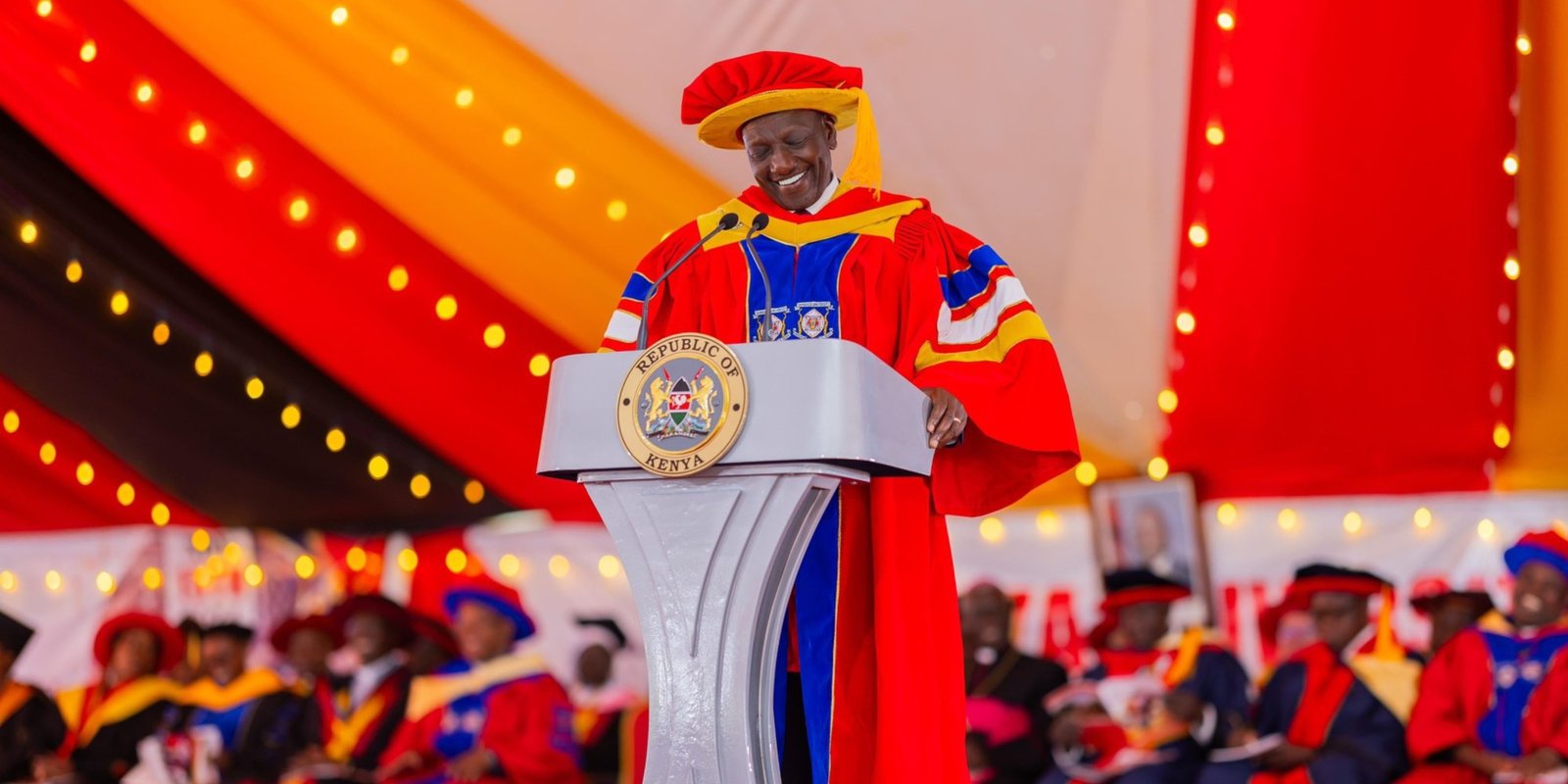
President William Ruto said Kenya will fully fund all students admitted to public universities, colleges and the Kenya Medical Training College from September 2026, replacing an income-based system as demand for higher education and pressure on state finances intensify.
Speaking at State House in Nairobi on Tuesday, July 21, 2026, Ruto said the government has completed a new higher education funding model and submitted the necessary legislative amendments to Parliament.
The changes would replace the current Student-Centred Funding Model, which succeeded the Differentiated Unit Cost system three years ago.
The proposed reforms come as demand for higher education funding continues to rise.
Higher Education Loans Board Chief Executive Geoffrey Monari told members of Parliament that the September intake is expected to increase the number of students requiring government support to 1,199,423 in the 2026-27 financial year, the highest figure on record.
According to the Kenya Universities and Colleges Central Placement Service, a record 270,715 candidates qualified for degree programs after sitting the 2025 Kenya Certificate of Secondary Education examinations. The Ministry of Education says public university debt has risen to nearly Sh100 billion ($773.1 million).
Education at the center of development
Ruto described the policy as essential to Kenya’s long-term development.
“It is the single most important thing that we must do. Because for us to move this country to a first-world status, knowledge and education are central to that journey,” he said.
He said national progress depends on investing in people.
“I have said no nation can develop beyond its capacity to think. If you cannot imagine the future, you cannot get there,” Ruto said.
The proposal will require Parliament to amend the Higher Education Loans Board Act before it can be implemented for the September intake. Ruto urged lawmakers to fast-track the legislation.
However, some critics have questioned the timing of the announcement.
Former Law Society of Kenya President Faith Odhiambo said the proposal raises concerns because it comes close to the next election.
“The promise that university will now be free for all sounds like progress, but when it comes months to an election, after years of complaints about a broken funding model, Kenyans are entitled to ask, is this policy or politics?” she said.
Education stakeholders have also expressed concern about the government’s ability to sustain universal funding in the long term.