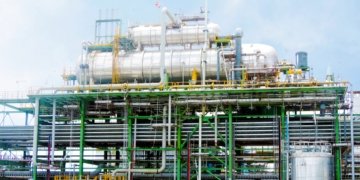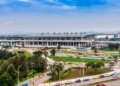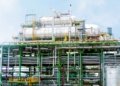


South Africa’s Eskom Kusile Power Station is now operating at full commercial capacity, marking a generational shift in the country’s energy security after more than a decade of cost overruns, corruption and technical failures.
Eskom, South Africa’s state-owned power utility, is the primary electricity generator and distributor serving the country and parts of sub-Saharan Africa and has spent the past several years executing a Generation Recovery Plan aimed at reversing a prolonged electricity supply crisis that, at its peak, subjected households and businesses to repeated daily blackouts.
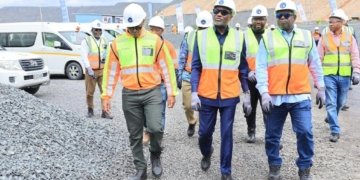
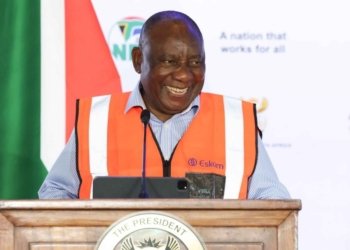
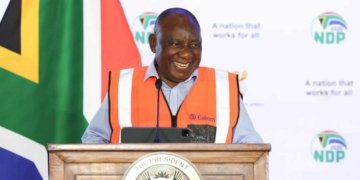
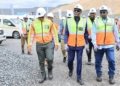
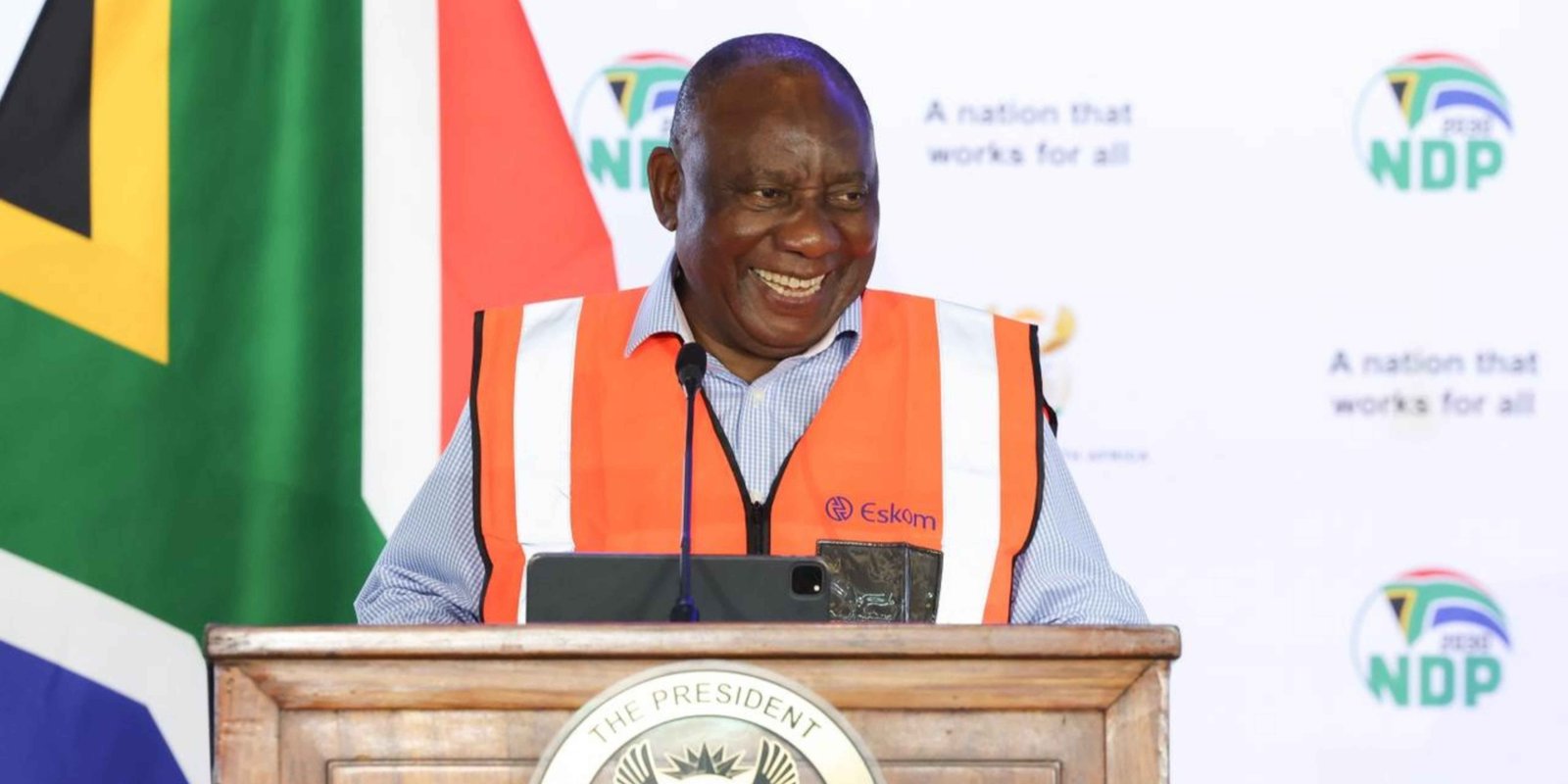
President Cyril Ramaphosa delivered an address to Eskom workers at the station in the Nkangala District Municipality of Mpumalanga on Friday, following a tour of the facility. He told the workforce that South Africa has turned the corner on energy security.
Kusile’s energy availability factor now stands at 74%, rising to 90% at times, making it one of the most reliable stations in the Eskom fleet.
The country’s overall energy availability factor has reached 65%, four percentage points above the same period last year.
When combined with Medupi Power Station in Limpopo, the two stations deliver 9,600 megawatts to the national grid, forming what Ramaphosa described as the backbone of South Africa’s electricity supply. Both stations have a designed operational lifespan of about 50 years.
In September 2025, Kusile Unit 6 reached commercial operation, adding 800 megawatts to the grid and completing Eskom’s build program.
Ramaphosa acknowledged the station’s troubled history. Kusile was plagued by cost escalations, contractor failures and state capture-linked corruption that nearly brought Eskom to financial ruin.
The president called on Eskom leadership to continue supporting law enforcement efforts to recover stolen funds.
South Africa is approaching 365 consecutive days without load shedding, a milestone that Ramaphosa framed as evidence of a broader economic recovery restoring investor confidence and supporting job creation across the country.