

ADDIS ABABA
United Nations Resident Coordinators across Africa met in Addis Ababa to chart a path toward financing the continent’s development through domestic resources rather than external dependence, placing African fiscal systems at the center of efforts under Agenda 2063 and the Sustainable Development Goals.
The meeting produced six strategic priorities for strengthening domestic resource mobilization, covering tax administration reform, financial sovereignty, regional integration, public finance management and institutional coordination.
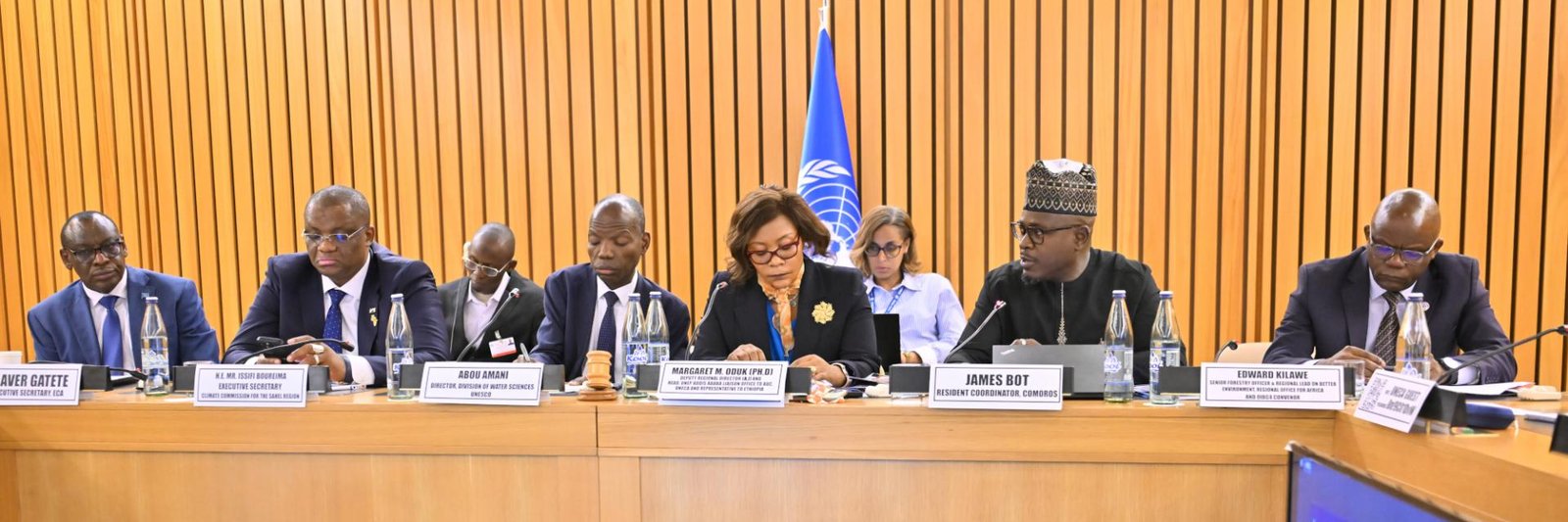
The April 27 convening, organized by the United Nations Economic Commission for Africa (ECA), the UN Development Coordination Office and the African Union Commission (AUC), served as a preparatory event for the African Regional Forum on Sustainable Development.
Said Adejumobi, Director of ECA’s Division of Strategic Planning, Monitoring and Results, told participants that Africa’s previous ten-year implementation plan had fallen short because of inadequate financing. The warning framed the urgency behind the day’s discussions.
Botho Kebabonye Bayendi, the AU’s Director of Strategic Planning and Implementation, said the AU and the UN share an integrated financing framework built around mobilizing domestic resources to realize the African vision.
She called on Resident Coordinators to support governments and sharpen coordination to move commitments into action.
Participants identified structural and political-economic constraints, fragmented development networks, and institutional weaknesses as the main obstacles preventing African countries from generating the revenues required by their development plans. Illicit financial flows emerged as a recurring concern.
The meeting anchored its recommendations in the AU’s Domestic Resource Mobilization Strategy, which has become central to financing the second ten-year implementation plan of Agenda 2063 and the 2030 Agenda.
Both the ECA and the AUC said they remained committed to supporting implementation.