

At the beginning, all they had was an idea and the uneasy sense that they did not yet know what to do with it, a feeling that sat with each of them as they tried to make sense of problems that felt immediate and personal.
Samuel Degefa remembers that uncertainty from his early days as a student experimenting with technology, when ambition came easily without direction. “I had the ambition, but I didn’t know how to turn it into anything real,” he said.
His starting point was a question about how students experience history in the classroom and whether technology could make those lessons more engaging and tangible.
He began building Curious Eyes, an augmented reality tool designed to bring historical content to students’ phones, though the first version reflected more assumptions than insight.
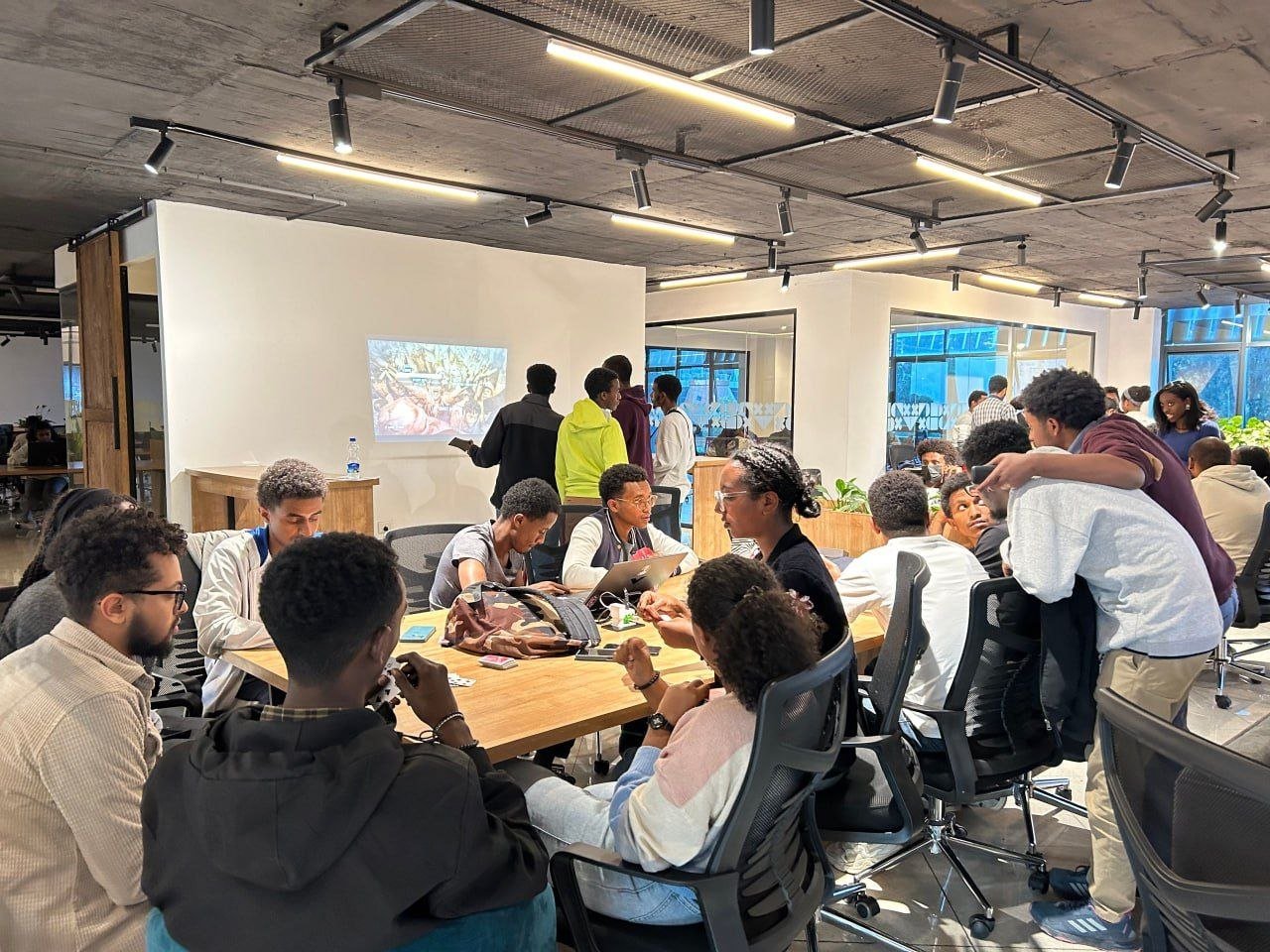
Samuel developed the idea while enrolled in ALX Ethiopia, a training provider that equips young people with skills for the digital economy through programs in technology, creative fields, and professional development.

“We thought we knew what schools needed,” Samuel said. “But we learned so much from actually going into classrooms and asking teachers what they struggled with.”
Those classroom visits shifted the product’s direction, as feedback from teachers replaced early assumptions and forced the team to rethink how the tool functioned in practice.
The revised version gained traction, and in 2023, Curious Eyes won 100,000 birr (roughly $600) at the ALX Mavericks Pitch Competition.
“The money was great,” he said. “But the real win was the connections. After that night, educators wanted to pilot our product. Investors wanted to talk. We weren’t just a school project anymore.”
The platform now operates in several schools in Addis Ababa, reflecting a process shaped less by initial vision and more by continuous adjustment.
Trial and Error
Amen Getahun and Ribka Zewde began from a more personal frustration shaped by trial and error, as they navigated skincare products that often failed to deliver consistent results.
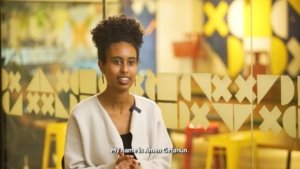
That experience pushed them to consider how data could bring greater precision to personal care.
They developed Skin Sage as a platform that offers personalized skincare recommendations, building it gradually through collaboration, testing, and shared learning.
“I love the collaborative group sessions where everyone is interactive, supportive, and eager to exchange ideas,” Amen said.
“The experience has helped me sharpen my business approach while building confidence and community,” she added.
Different Ways to Understand How People Learn
Fanuel Yilma and Bereket Getachew approached a different challenge, one rooted in the way education systems treat learners as if they absorb knowledge in the same way, despite clear differences in pace, preferences, and styles.
Their response took shape through SINQ, a platform designed to adapt to individual learning patterns.
“The program [ALX] gave us the structure we were missing,” Fanuel said. “More importantly, it gave us access to high-level mentors and a community of founders who speak the same language of growth.”
That structure helped move the platform from an informal concept into a more organized system with broader ambition.
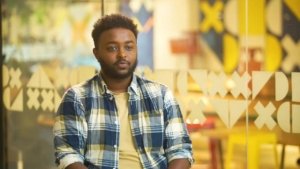
“We aren’t just putting content online,” he said. “We are changing the perspective of what education can be. I want us to be the standard setters for how an entire nation learns and grows in the digital age.”
He frames that shift as both practical and personal.
“Break through the ‘chronic shyness’ that often holds us back,” he said. “You have to represent yourself and your vision with conviction.”
For Bereket, the experience shaped her approach to leadership and structure as the platform evolved.
“Being a woman co-founder in Ethiopia’s tech space means constantly shifting the narrative from ‘participation’ to ‘leadership’,” she said.
“ALX was the catalyst that turned my technical expertise into strategic institutional power. It moved me beyond the ‘startup’ mindset and gave me the structural discipline,” she added.
A System Built From the Ground Up
Dawit Workneh’s path began with a different kind of visibility, one rooted in the everyday realities of Ethiopia’s coffee farmers, who faced increasing pressure to meet European Union requirements without having the tools to prove compliance.
He understood the stakes early, though the path forward remained unclear.
“We built a lean canvas, then an MVP, then we had to go out and talk to real customers,” Dawit said. “Some people said no. A lot of people said no.”
Those early conversations, including repeated rejection, informed the development of GreenZtech, a traceability system that uses satellite imagery, geolocation, and farmer data to generate due diligence statements required for export markets.
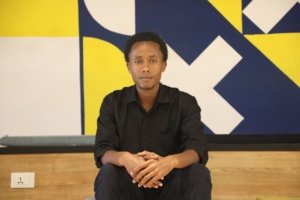
The system grew through iteration and direct engagement with stakeholders, while a related initiative, Save Coffee, links blockchain-based assets to coffee production to support farmers more directly.
“My time at ALX Ethiopia was transformative,” Dawit said. “Beyond the technical and professional skills, ALX taught me how to solve real problems with limited resources and a strong community.”
Real-World Testing Reshaped Ideas
Progress for each of these founders took shape through direct engagement with the environments they aimed to serve, where early ideas met constraints, feedback, and in many cases, resistance.
Samuel tested his product in classrooms and adjusted it based on how teachers and students interacted with it.
Dawit refined his model through conversations with farmers and stakeholders, many of whom challenged his initial assumptions.
Amen and Ribka refined their approach through user feedback and peer exchange, while Fanuel and Bereket introduced structure after observing their platform’s performance in practice.
This shift from assumption to evidence shaped not only the products themselves but also the way each founder approached problem-solving, grounding their work in lived conditions rather than initial expectations.
Building from Lived Experience
The connection between the founder and the problem remained central across all four cases, as each solution emerged from direct exposure to the issue it sought to address.
This proximity informed decisions at every stage, from early design choices to ongoing refinement, allowing each venture to respond more precisely to its users’ needs.
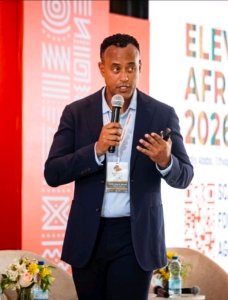
“You’re never alone in this space,” said Mirafe Gebriel Marcos, country general manager of ALX Ethiopia. “When you see someone else struggling with the same challenge, you push each other. When someone else wins, you feel like you can win too.”
Each project advanced through sustained iteration and real-world use, moving beyond concept into application across different sectors.
Curious Eyes operates in classrooms in Addis Ababa.
GreenZtech supports compliance within the coffee trade.
Skin Sage delivers personalized skincare recommendations shaped by user data.
SINQ continues to evolve as a platform that adapts to individual learning styles.
“All it takes is the guts to begin,” Mirafe said.