
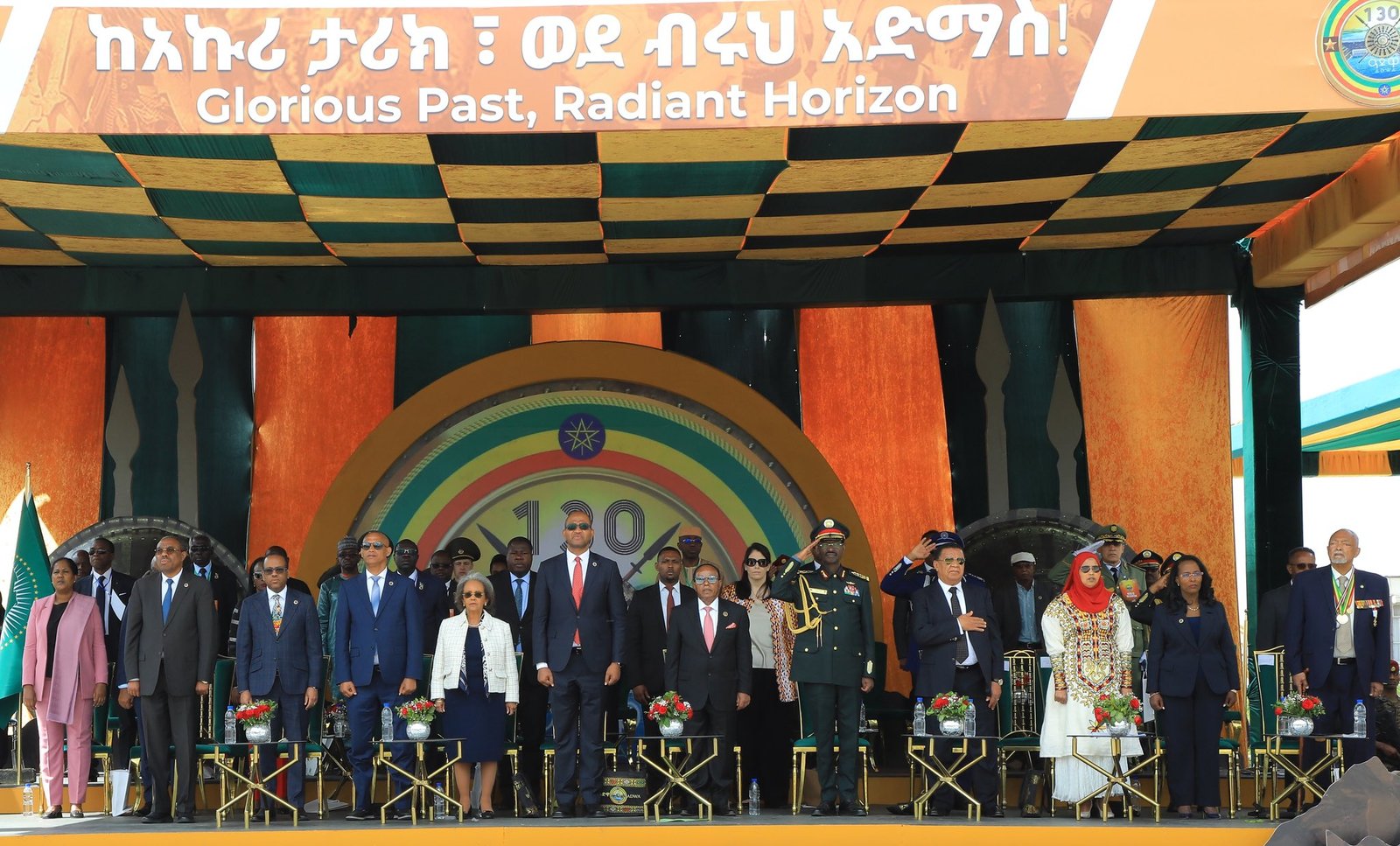

Ethiopia on Monday marked the 130th anniversary of the Battle of Adwa with a national commemoration at the Adwa Victory Memorial Museum in central Addis Ababa, as officials called for unity and renewed economic progress.
In remarks during the event, Ethiopian President Taye Atske Selassie said Adwa offers enduring lessons for Ethiopia’s political culture, describing it as a source of guidance on restraint, peace, and national responsibility.
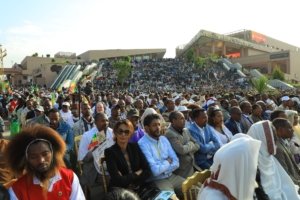
He said the victory remains a foundation for unity and statehood, as large crowds, government officials, defence officials, and diplomats attended the event.
Prime Minister Abiy Ahmed, in a separate message, described the 1896 defeat of Italian forces as a defining moment for Ethiopia and Africa.
He called on Ethiopians to sustain the country built through sacrifice and to confront poverty and division while advancing toward prosperity.
The commemoration comes as Ethiopia continues economic reforms and reconstruction efforts, with authorities pursuing structural adjustments aimed at stabilizing growth and strengthening investor confidence.
The Battle of Adwa, fought on March 1, 1896, ended Italy’s attempt to colonize Ethiopia and marked one of the rare decisive defeats of a European power by African forces during the colonial era.
The Ethiopian army, led by Emperor Menelik II, overcame Italian troops commanded by Oreste Baratieri in north-central Ethiopia.
African Union Calls for Unity
The African Union Commission Chairperson Mahmoud Ali Youssouf said Adwa affirmed “African sovereignty, dignity, and unity,” adding that the spirit of the victory continues to inform the continent’s development ambitions under Agenda 2063.
Adwa has long influenced African political thought and independence movements.
In Ethiopia, the anniversary serves as both a historical commemoration and a reaffirmation of national cohesion and institutional continuity.
Adwa, located in the Tigray region of northern Ethiopia, is one of the most historically significant places in Africa.
This victory preserved Ethiopia’s independence and also became a powerful global symbol of African resistance against colonialism.