
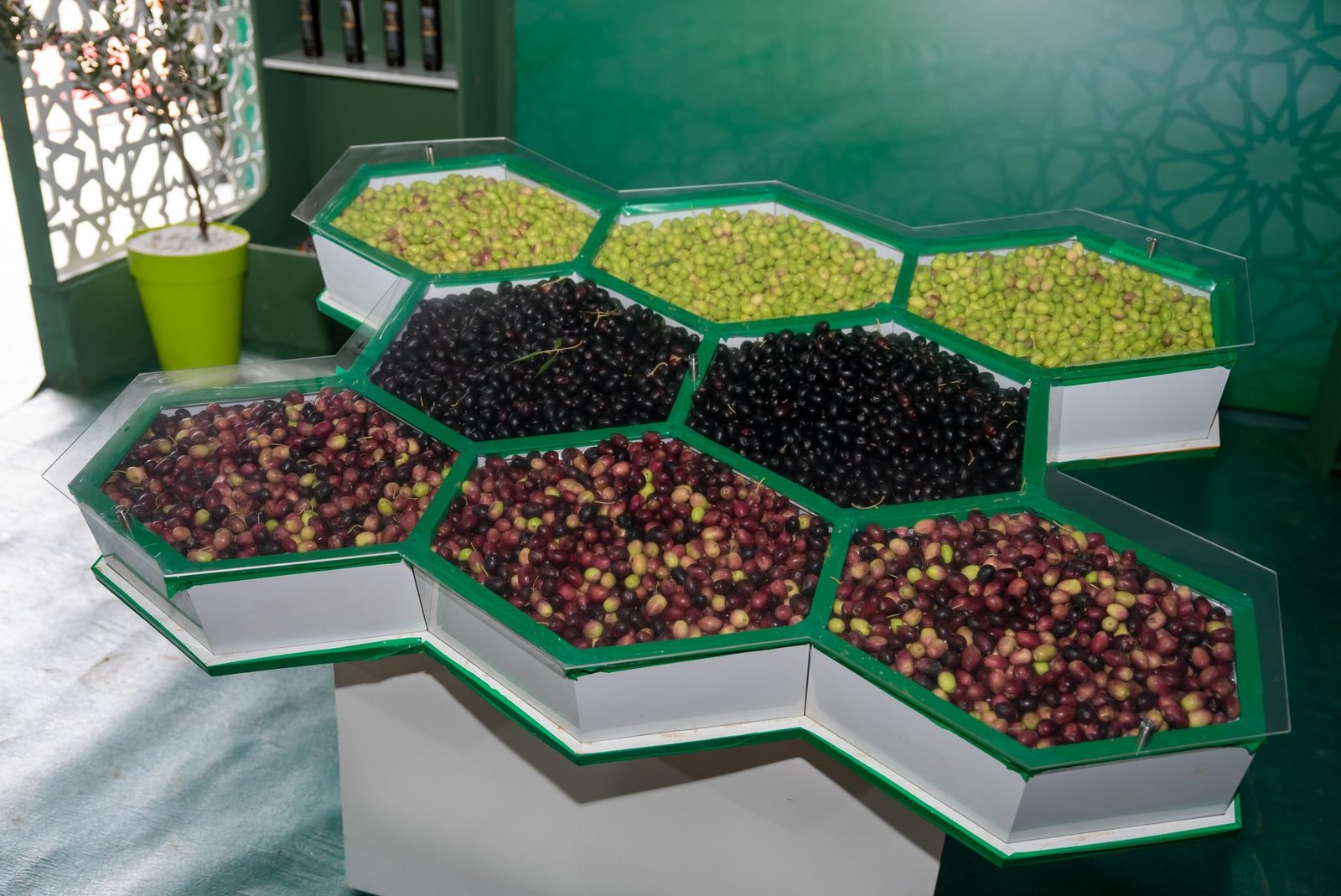

Morocco recorded a harvest of 2 million tons of olives in the current agricultural season, a 111% increase over the previous year, the country’s agriculture minister disclosed at a Council of Ministers meeting chaired by King Mohammed VI in Rabat.
The figures place the harvest at its highest level in recent memory and form part of a broader picture of agricultural recovery driven by exceptional rainfall.
National dam reserves reached 12.8 billion cubic meters, equivalent to a 75% fill rate, following rainfall that averaged 520 millimeters across all regions of the country, 54% above the 30-year annual mean.
Citrus fruit output reached 1.9 million tons, a 25% rise from the prior season, while date production climbed to 160,000 tons, up 55%.
The agriculture minister told the council April 9 that the rainfall had revived pastures and improved livestock conditions in line with royal directives on restoring national herd numbers. The minister described harvest prospects as promising.
Water reserves accumulated during the season are sufficient to meet irrigation requirements for spring and summer crops and to cover the opening needs of the next agricultural cycle, the minister said.
Morocco’s agricultural sector contributes approximately 12% to 15% of gross domestic product and employs roughly 40% of the national workforce, making seasonal performance a key economic indicator.
Olive oil and citrus exports are among the country’s primary agricultural revenue sources, with European Union markets absorbing the bulk of output.
The bumper season relieves pressure on import budgets and strengthens the country’s position in regional food security discussions, coming as North African governments face continued volatility in global grain and commodity markets.