

ADDIS ABABA
Ethiopia has called for a decisive shift from climate commitments to implementation, arguing that international finance must be restructured around development outcomes as African nations advance a unified agenda ahead of COP32.
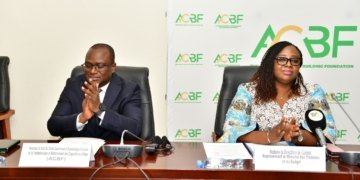
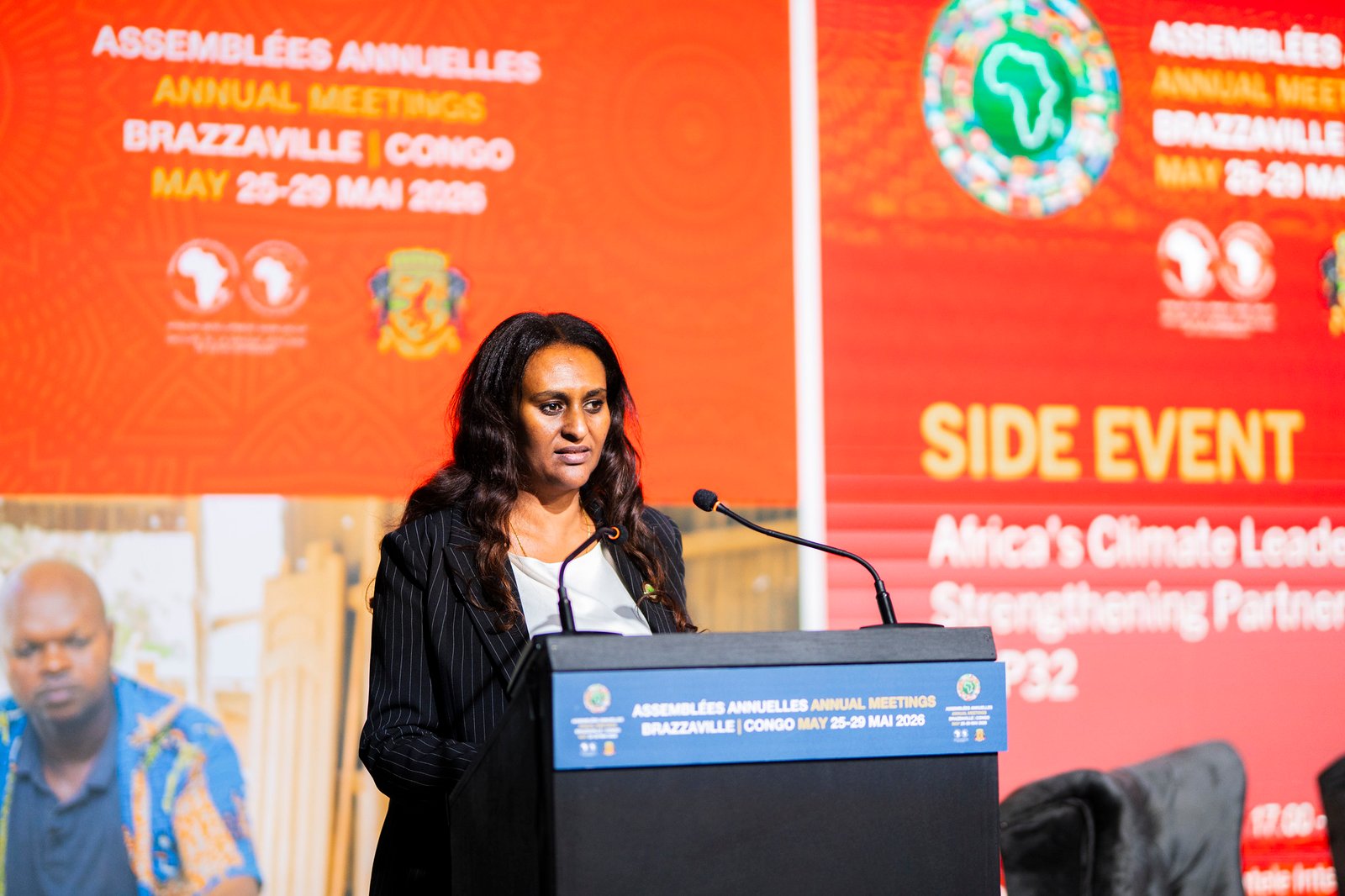
Semereta Sewasew, State Minister of Finance of Ethiopia, made the call at a high-level dialogue in Brazzaville, where she said Africa was approaching COP32 not as a passive recipient of international support but as a co-architect of a new global climate finance architecture.
The 32nd session of the Conference of the Parties to the United Nations Framework Convention on Climate Change (COP32) will be hosted by Ethiopia in Addis Ababa in 2027
According to a statement by the Ministry of Finance published Wednesday, Sewasew said climate finance can no longer be treated as an isolated fund.
She insisted it must be directly tied to food security, energy access, resilient infrastructure and industrial transformation, and called for integrated investment platforms capable of delivering measurable results on the ground.
Ethiopia’s position is grounded in over a decade of nationally driven climate action.
The country launched one of Africa’s earliest comprehensive green growth strategies through its Climate Resilient Green Economy framework and has sustained large-scale investments in renewable energy and landscape restoration.
Those domestic commitments, Sewasew said, demonstrate what predictable, nationally aligned financing can deliver.
The dialogue was convened by the African Development Bank Group (AfDB) in collaboration with the Climate Investment Funds and the Fund for Responding to Loss and Damage.
It took place on the sidelines of the AfDB Annual Meetings in Brazzaville, Republic of Congo, held May 25-29, 2026, bringing together ministers, multilateral development banks, private sector actors and civil society representatives to coordinate Africa’s climate investment priorities ahead of COP32.
AfDB Vice President Kevin Kariuki said accelerating infrastructure investment remained critical to delivering measurable improvements in resilience and energy access across the continent.
Tariye Gbadegesin, Chief Executive Officer of the Climate Investment Funds, said catalytic finance and strong partnerships were essential to moving projects from ambition to execution.
Ibrahima Cheikh Diong, Executive Director of the Fund for Responding to Loss and Damage, said financing for loss and damage must be rapid and responsive to the needs of the most vulnerable countries.
The meeting closed with broad agreement that COP32 should mark a shift from negotiation to delivery, positioning Africa as a driver of practical solutions and scalable investment models.