

Chinese travel searches for Cape Verde jumped as much as 852% in late June from the previous month after the West African archipelago emerged as one of the surprise stories of the 2026 FIFA World Cup, according to Trip.com Group.
Searches for the destination also climbed 388% from the same period a year earlier, the online travel agency told Global Times. Flight bookings to Cape Verde rose 76% year over year, while hotel bookings increased 46%.
The surge followed Cape Verde’s improbable tournament run. The Blue Sharks opened with a scoreless draw against Spain on June 15, followed with a 2-2 draw against Uruguay on June 21 and another 0-0 draw against Saudi Arabia on June 26, before pushing defending champion Argentina to extra time in a 3-2 Round of 32 defeat on July 4.
The performance resonated in China, where the men’s national team failed to qualify for the tournament and many supporters embraced the underdog.
“Cape Verde lost the match but won the world” trended across Chinese social media, while the hashtag “Argentina VS Cape Verde” generated more than 420 million views on Sina Weibo by July 5, according to Global Times.
Much of the attention centered on veteran goalkeeper Josimar José Évora Dias, known as Vozinha. The 40-year-old’s Instagram following reportedly grew from about 50,000 to more than 24 million within two weeks.
Interest extended beyond Trip.com. Tongcheng Travel said destination searches for Cape Verde rose more than 200% in the 24 hours following the Argentina match, with the strongest demand coming from Shanghai, Guangzhou, Beijing and Shandong province.
Searches for connecting flights from Hong Kong to Cape Verde via Europe increased about 12-fold week over week on HopeGoo, Tongcheng’s international platform.
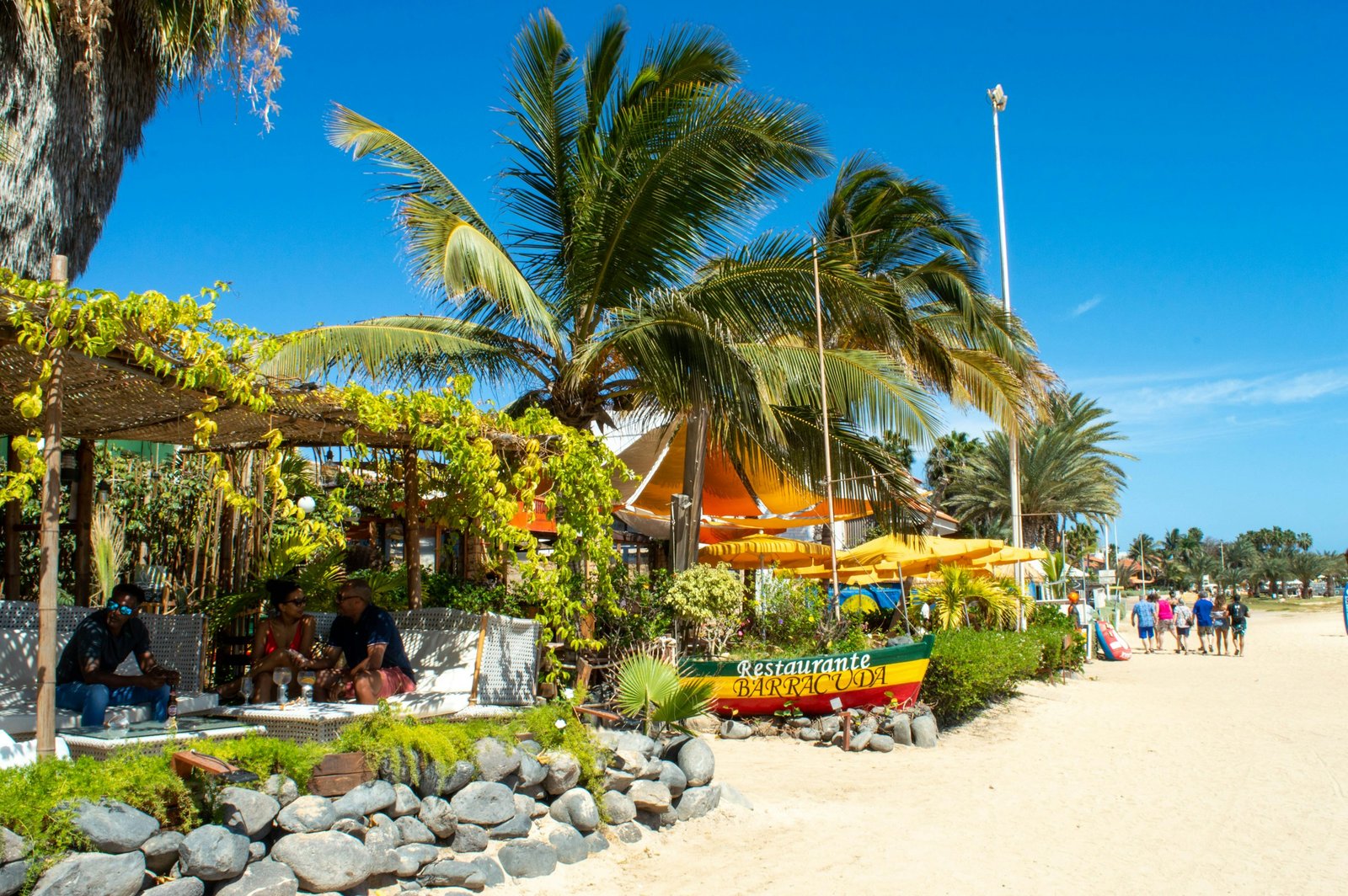
Travel agencies also reported increased demand for customized West Africa itineraries, including trips combining Cape Verde with Lisbon and island-hopping routes across the country’s 10 volcanic islands.
Tourism is central to Cape Verde’s economy, contributing about one-quarter of gross domestic product, according to the World Bank.
The country welcomed approximately 1.18 million international visitors in 2024 and about 1.2 million in 2025, its highest annual total, according to national tourism figures.
Most visitors come from European markets led by the United Kingdom and Portugal, making growing Chinese interest a potential opportunity to diversify demand.
China’s connection to the team extends beyond football. Cape Verde played its home World Cup qualifiers at the national stadium in Praia, which China financed and completed in 2014. Chinese state media and fans have cited the project as a symbol of bilateral ties.
The country’s ambassador to China, Arlindo do Rosário, said the World Cup had strengthened relations between the two countries, according to Chinese media reports.