

KAMPALA
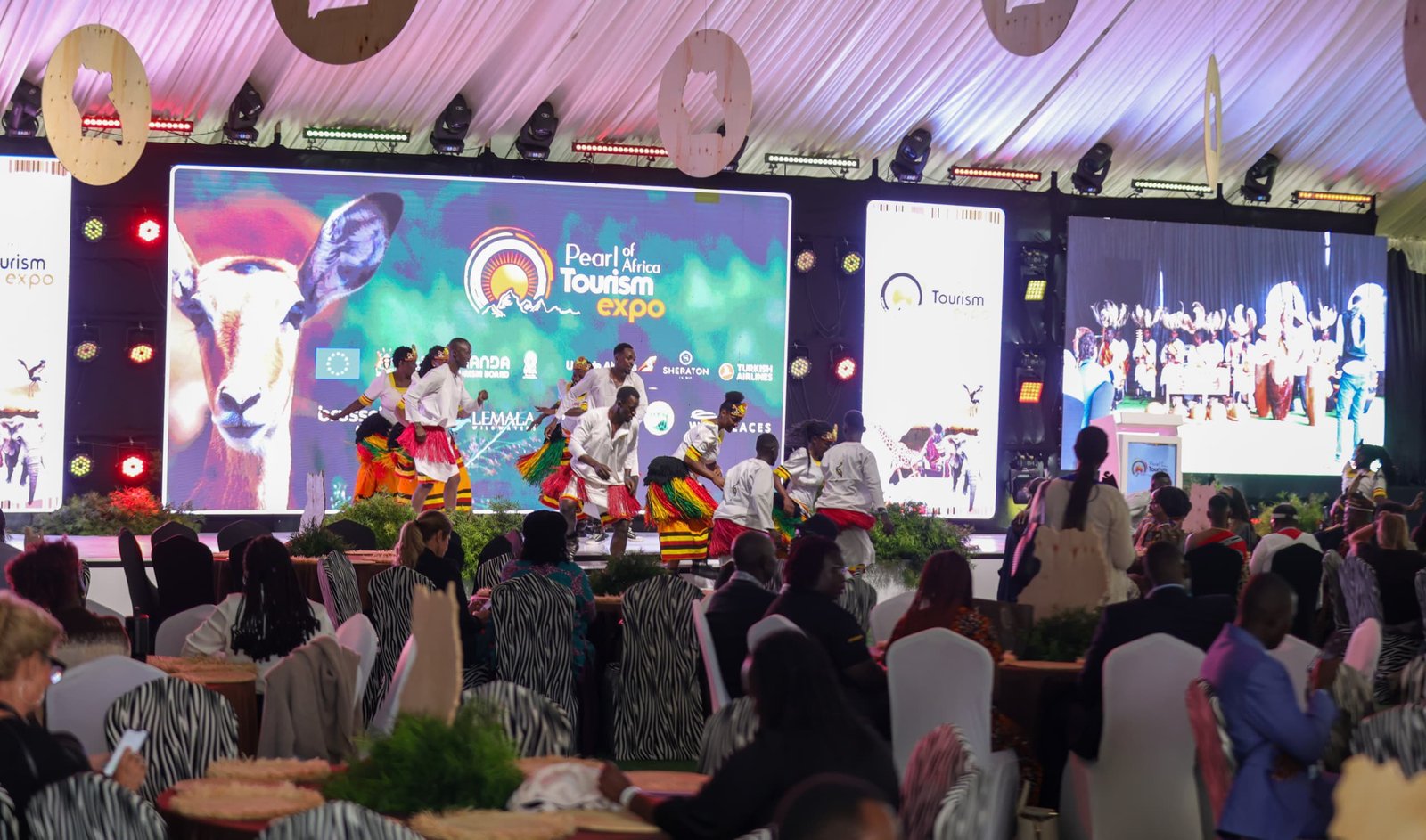
Uganda is positioning tourism as a major driver of investment, jobs, and regional visibility as the country prepares to co-host the 2027 Africa Cup of Nations, government officials and tourism leaders said at the 10th Pearl of Africa Tourism Expo in Kampala.
The three-day expo, running May 21 to 23 at Speke Resort Munyonyo, brought together tourism stakeholders, hosted buyers, investors, exhibitors, and industry leaders to strengthen partnerships and expand tourism opportunities across East Africa.
“Uganda has officially obtained the rights to host AFCON for the year 2027, and through sports tourism, we expect to not only double but triple the number of our visitors next year because of the Africa Cup of Nations,” said Pearl Hoareau Kakooza, Chairperson of the Uganda Tourism Board.
Tourism remains one of Uganda’s leading economic sectors, supported by the country’s wildlife, cultural heritage, hospitality industry, and growing conference and events market.
Uganda draws international visitors for mountain gorilla trekking in Bwindi Impenetrable National Forest, chimpanzee experiences in Kibale National Park, the source of the River Nile at Jinja, and more than 1,000 recorded bird species.
The country is also a significant Arabica coffee producer, with landscapes ranging from equatorial forest and Great Lakes shoreline to savannah.
Natural Beauty

President Yoweri Kaguta Museveni opened the expo, telling delegates that Uganda’s climate, culture, stability, and natural attractions sustain its competitive position on the continent.
“Uganda remains one of the most unique tourism destinations because of our favorable climate, rich culture, peace and natural beauty,” Museveni said.
The government plans to improve tourism services and ease visa access as Uganda advances toward upper-middle-income status.
“As our economy grows towards upper-middle-income status, we shall also improve the tourism experience, including friendlier visa arrangements to attract more visitors,” Museveni said.
Doreen S. Katusiime, Permanent Secretary at Uganda’s Ministry of Tourism, described a sector whose reach extends well beyond visitor numbers.
“Tourism continues to create jobs for our young people, to empower communities, to generate foreign exchange, stimulate investment, conserve the environment and support multiple sectors of the economy through its multiplier effect,” Katusiime said.
“Indeed, it remains one of the clearest demonstrations that conservation and economic development can work hand in hand,” she added.
Regional Integration
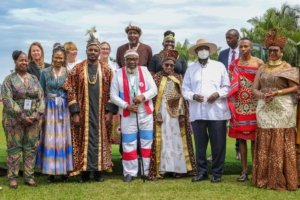
Museveni linked tourism growth to regional integration, citing cooperation with neighboring countries as a structural enabler.
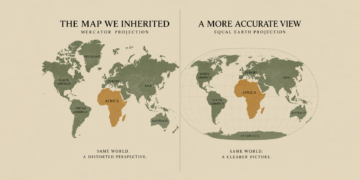
“We have also continued working closely with our neighbors, including Tanzania and Somalia, to strengthen regional integration, build one market, and address the distortions created by colonial boundaries,” he said.
Film and tourism stakeholders also convened at the expo to examine how storytelling, media, and screen productions are shaping destination marketing and international perceptions of African tourism markets.
Participants discussed the role of creative industries in promoting cultural identity and attracting visitors to Uganda and the wider region.