

ADDIS ABABA
Aliko Dangote spent several weeks in April and May 2026 advancing a consistent message in Nairobi, Dar es Salaam, Kampala and Gode. Africa exports raw materials and imports finished products despite having the capital, institutions and industrial capacity to process its own resources.
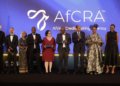
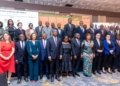
The campaign opened at the inaugural Africa We Build Summit in Nairobi on April 23, hosted by the Africa Finance Corporation and the Kenyan government.
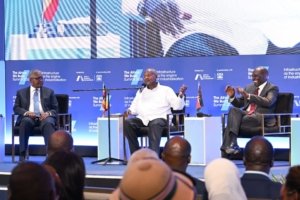
Dangote appeared on a panel with Kenyan President William Ruto and Ugandan President Yoweri Museveni and committed to building a 650,000-barrel-per-day regional oil refinery in East Africa modeled on his refinery in Ibeju-Lekki, Lagos, Nigeria.
The Lagos refinery began crude distillation in January 2024 and reached full nameplate capacity in early 2026. The project cost approximately $20 billion and became the world’s largest single-train refinery.
“My commitment is, if we agree here with the three or four governments, we will lead and make sure that refinery is built within the next four to five years,” Dangote told the summit. “Even now, I can give commitment to the two presidents who are here if they will support the refinery, we will build an identical one to what we have in Nigeria.”
Ruto welcomed the proposal and said Kenya would support the project. He later wrote on social media that Kenya was committed to partnering with Uganda and Tanzania on the refinery initiative.
The proposed refinery carries an estimated cost of between $15 billion and $17 billion. The facility would process crude from Uganda, South Sudan, Kenya and the Democratic Republic of Congo.
East Africa currently imports most of its refined petroleum products, leaving regional markets exposed to global supply disruptions such as the tightening in fuel flows linked to US-Iran tensions from late February 2026.
Dangote urged African investors and institutions to finance industrial development across the continent.
“We have $550 billion of savings in Africa and you are funding something totally irrelevant,” he said. “A domestic investor must take the risk and start developing your own continent. Not for you to wait for foreign investors. Foreign investors will only come when things are looking rosy and good.”
Museveni framed the refinery discussion within the wider history of African integration and industrial policy.
“The mistake makers have failed, so people have seen the mistakes,” he said. “The youth have no jobs. People can now listen more.”
Ruto described the region’s development priorities as internally driven.
“The question is what is different now? There is a realization by all of us that the solution to the challenges and problems we have is not out there. It is right with us.”
The location question
The Nairobi summit identified Tanzania’s port city of Tanga as an early option for the refinery. Tanga serves as the terminal point for the 1,443-kilometer East African Crude Oil Pipeline linking Uganda’s Hoima oil fields to the Indian Ocean. First oil exports through the pipeline are expected in the second half of 2026.
A refinery at Tanga would allow Ugandan crude to move directly by pipeline for coastal refining and regional fuel distribution.
Tanzanian President Samia Suluhu Hassan later said she had not been consulted before the Nairobi announcement. Public discussion around the refinery site intensified after Ruto referenced the Tanga proposal at the Kenya Mining Investment Conference on April 28.
Dangote’s stated preference shifted toward Kenya in a Financial Times interview published May 10. He cited Mombasa’s deep-water port, logistics infrastructure and fuel market.
“Mombasa has a much larger, deeper port,” Dangote said.
Kenya imported 40 million barrels of petroleum in 2025.
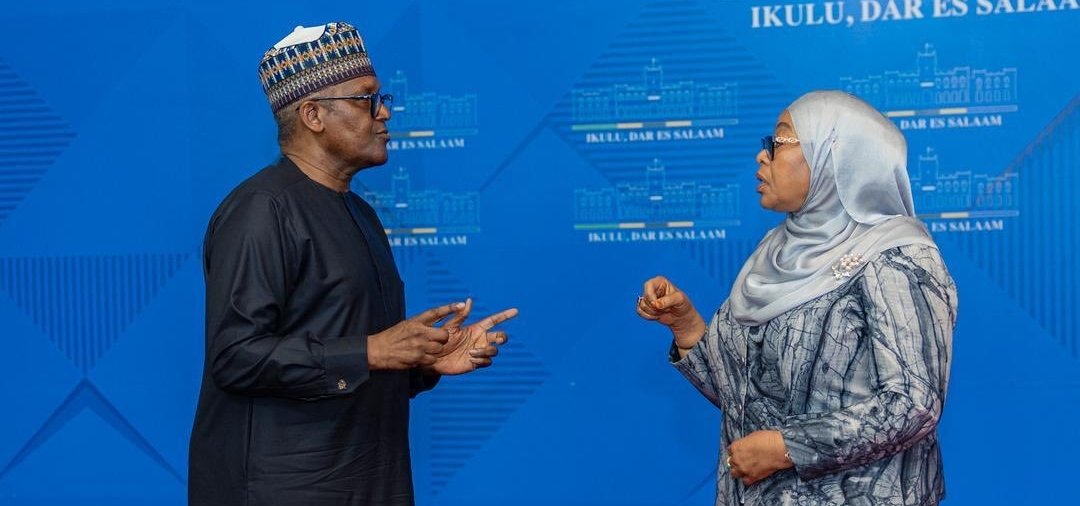
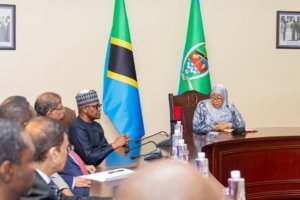
Samia received Dangote at State House in Dar es Salaam on May 16. She confirmed the meeting and highlighted Dangote Group’s existing investments in Tanzania, including the Mtwara cement plant commissioned in December 2015.
The $500 million facility has an annual production capacity of 3 million tonnes and operates on locally sourced natural gas. It remains the largest cement factory in Tanzania.
Dangote met Museveni at State Lodge Nakasero in Kampala on May 17. Museveni reiterated Uganda’s long-standing position on domestic refining and value addition.
Museveni reiterated Uganda’s long-standing position on refining crude domestically before export.
“I informed him that from the very beginning, we have always opposed the export of raw materials without value addition,” Museveni wrote on May 18.
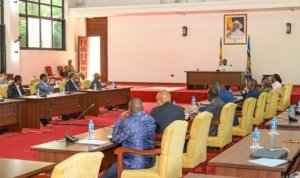
He said Uganda delayed oil production because the government wanted refining capacity in place before crude exports began. Museveni described refining as both an economic and strategic priority and said regional integration remained central to Uganda’s position.
“I therefore welcomed the idea of a bigger regional refinery because our objective is African integration and shared prosperity,” he wrote.
Museveni added that Uganda would support the regional refinery initiative while continuing development of its domestic refinery project in Hoima.
Uganda’s planned 60,000-barrel-per-day refinery in Hoima remains under development through a joint venture with UAE-based Alpha MBM Investments.
The project is awaiting a final investment decision expected in July 2026. Uganda holds an estimated 1.4 billion to 6.5 billion barrels of discovered oil resources in the Albertine Graben and remains a net importer of refined fuel.
Dangote told reporters after the Kampala meeting that his team continues to evaluate Tanga, Mombasa and Lamu as potential refinery sites. Governments have not signed any formal agreements.
Project already under construction
Dangote’s fertilizer investment in Ethiopia has moved into active construction.
Prime Minister Abiy Ahmed received Dangote in Gode, in Ethiopia’s Somali Region, on May 17. The two toured the construction site of a urea fertilizer complex that Dangote said would now exceed $4 billion in total investment, up from an earlier estimate of $2.5 billion.
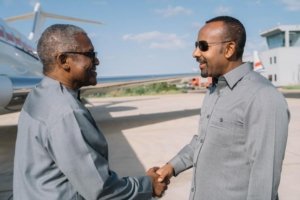
“In total, our declared and signed investments in Ethiopia now exceed $4 billion,” Dangote said in Gode. “This makes Ethiopia the second-largest recipient of our investments in Africa, accounting for nearly nine percent of our continental outlay between now and 2030.”
The expanded project includes a 110-kilometer natural gas pipeline from the Calub field in the Ogaden Basin, a 120-megawatt captive power plant, a polypropylene packaging facility and a 2-million-tonne NPK fertilizer blending plant.
The urea plant will produce 3 million metric tonnes annually. Dangote Group holds a 60% stake in the joint venture, while Ethiopian Investment Holdings holds 40%.
The parties signed a shareholders’ agreement in Addis Ababa in August 2025 in the presence of Abiy. Construction began in October 2025.
A $4.2 billion, 25-year natural gas supply agreement with China’s GCL Group secured energy supply for the project in March 2026.
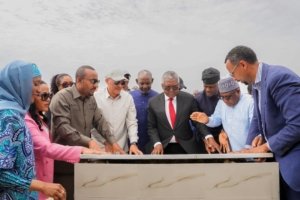
Ethiopia imports approximately 2.32 million metric tonnes of fertilizer annually and spends close to $1 billion each year on imports. The state-owned Ethiopian Agricultural Businesses Corporation handles more than 90% of fertilizer supply.
The Gode complex would exceed Ethiopia’s current fertilizer import requirement and position the country as a supplier to regional markets.
“Africa has the capacity to feed itself and even export to the rest of the world,” Dangote told journalists in Gode. “Our fertilizer investments across the continent are designed to unlock that potential and secure a prosperous future for our people.”
Abiy described the investment as part of Ethiopia’s wider economic transformation agenda.
“This initiative is a strategic investment in Ethiopia’s agricultural transformation, food security, industrial growth and economic self-reliance,” he said. “This type of large-scale investment demonstrates the power of strong collaboration between government and the private sector.”
Dangote Group’s industrial presence in Ethiopia predates the fertilizer project. Its 2.5-million-tonne cement plant at Mugher, north of Addis Ababa, began operations in May 2015 and remains the country’s largest cement facility.
A wider commercial footprint
Dangote’s East African activities extend beyond energy and fertilizer.
Africa Travel Investments, a tourism-focused fund backed by Dangote and American investor Dave Rubenstein through Alterra Capital, acquired Pollman’s Tours and Safaris in May 2025. Kenya’s Competition Authority approved the transaction without conditions.
Pollman’s, founded in the 1950s, remains one of East Africa’s oldest tour operators.
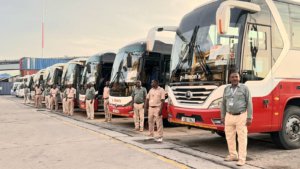
Dangote Petroleum Refinery also began direct aviation fuel deliveries to Ethiopian Airlines in early May 2026 during a period of global supply tightness linked to the US-Iran conflict.
The refinery has shipped refined products to 11 African countries since late February 2026.
“Alhaji Aliko Dangote is absolutely unequivocal that it is Africa first,” refinery managing director David Bird said at an energy conference in Lagos. “We’re proud to have done a direct delivery to Ethiopian Airlines.”
Outstanding decisions
The East Africa refinery remains at the proposal stage with political backing and commercial interest across the region. Kenya, Tanzania and Uganda continue to evaluate the project within their national energy strategies.
Tanzania controls the pipeline terminus. Kenya operates the region’s largest port infrastructure. Uganda holds the crude reserves expected to supply the refinery.
Dangote’s existing industrial projects continue to shape regional confidence in the proposal. The Lagos refinery has entered full operations. Construction continues at the Gode fertilizer complex. The Mtwara cement plant has operated in Tanzania for a decade.
The Nairobi summit focused attention on Africa’s capital base, industrial resources and regional market potential. The next phase depends on coordination among East African governments and the commercial agreements required to advance a refinery project valued at up to $17 billion.