

Bantu Gazette

Bantu Gazette
  • Policy & Governance
  • Development & Impact
  • Business, Trade & Economy
  • Energy
  • Changemakers
  • Culture & Identity
  • Perspectives
  • Magazine
Menu
  • Black Frame Studio
  • Magazine

High-Level Training Strengthens African Diplomats’ Knowledge of Carbon Markets

ACBF, AUC and AIDA convene African ambassadors and diplomats in Addis Ababa to strengthen technical expertise and policy engagement on carbon markets.

High-Level Training Strengthens African Diplomats’ Knowledge of Carbon Markets
Felix Tihby Felix Tih
July 8, 2026
Reading Time: 3 mins read

High-Level Training Strengthens African Diplomats’ Knowledge of Carbon Markets

ACBF, AUC and AIDA convene African ambassadors and diplomats in Addis Ababa to strengthen technical expertise and policy engagement on carbon markets.

High-Level Training Strengthens African Diplomats’ Knowledge of Carbon Markets
Felix Tihby Felix Tih
July 10, 2026
Reading Time: 3 mins read

The African Capacity Building Foundation (ACBF) and the African Union Commission (AUC), with support from the Azerbaijan International Development Agency (AIDA), convened a high-level training on Wednesday to strengthen African diplomats’ knowledge of carbon markets as the continent advances implementation of the Africa Action Plan on Carbon Markets.

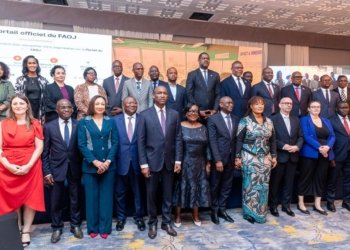
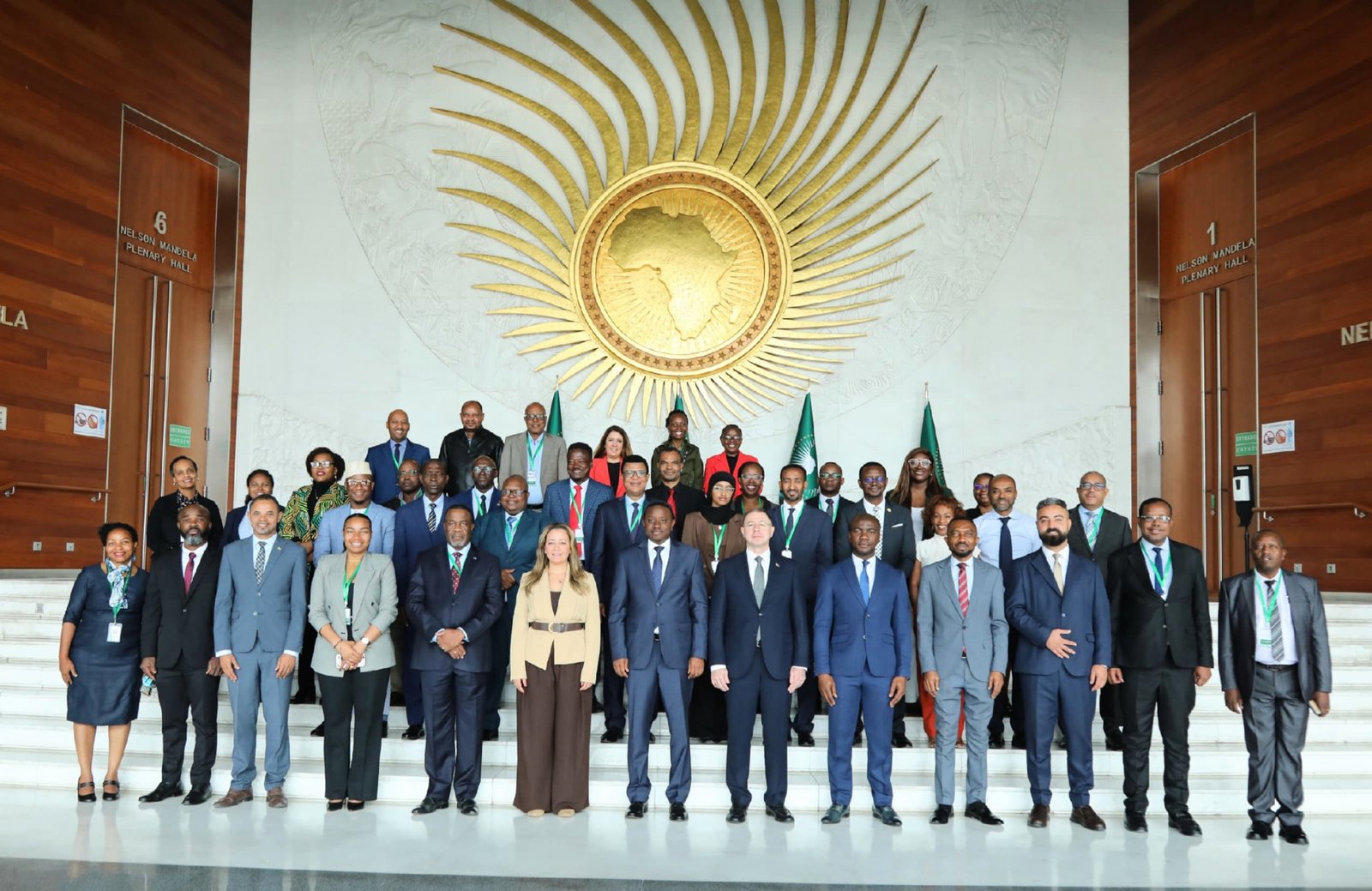
More than 80 African ambassadors and senior diplomats accredited to the African Union participated in the training at the African Union Headquarters in Addis Ababa, Ethiopia, where they deepened their understanding of carbon market mechanisms, governance and policy to support Africa’s participation in global carbon markets.

Speaking on behalf of ACBF Executive Secretary Mamadou Biteye, Ambassador Laho Bangoura, Special Adviser to the Executive Secretary and Head of the ACBF Liaison Office to the African Union, emphasized that capacity development remains central to Africa’s climate ambitions.

“As climate finance becomes increasingly central to Africa’s development agenda, capacity development must remain at the heart of our response. Because when Africa has the right capacities, Africa can better shape its own future.”
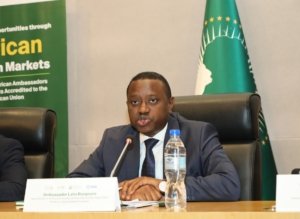
Ambassador laho Bangoura

The training examined carbon market mechanisms, policy and regulatory frameworks, governance systems and practical African experiences.

Participants explored compliance and voluntary carbon markets, transparency requirements, community engagement, benefit-sharing mechanisms and the role of forests, wetlands and other natural carbon sinks in generating high-integrity carbon credits.

The sessions also examined Africa’s position in international carbon markets and the policy coordination required to strengthen the continent’s voice in global climate negotiations.

African countries continue to place carbon markets higher on the continental climate agenda as governments pursue green investment and sustainable development.

The Africa Action Plan on Carbon Markets, adopted by the African Union Assembly in 2025, provides member states with a common approach to developing high-integrity carbon markets that support economic growth, environmental stewardship and equitable benefit-sharing.

Recent decisions adopted under Article 6 of the Paris Agreement at COP29 have created greater certainty for international carbon trading, opening new opportunities for developing countries to mobilize investment for climate action.

Opening the training, African Union Commissioner for Agriculture, Rural Development, Blue Economy and Sustainable Environment, H.E. Moses Vilakati, said that effective governance remains central to Africa’s participation in carbon markets.
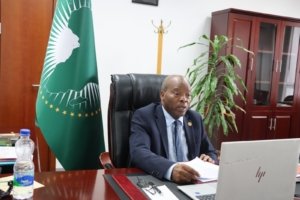
H.E. Moses Vilakati

“Our collective approach must continue to be guided by our continental frameworks. These frameworks require us to safeguard ecosystem integrity, ensure genuine Free, Prior and Informed Consent (FPIC), and guarantee transparent, legally enforceable benefit-sharing with indigenous peoples and local communities.”

Ambassador Ruslan Nasibov of the Republic of Azerbaijan said the progress achieved at COP29 creates significant opportunities for Africa to expand its role in international carbon markets while strengthening sustainable development.

“For Africa, this achievement presents significant opportunities. The continent possesses extraordinary natural assets, abundant renewable energy potential, and vast opportunities for generating high-integrity carbon credits. Yet realizing this potential requires strong institutions, sound regulatory frameworks, technical expertise, and skilled negotiators who can effectively represent national and continental interests.”

The program reflects continued cooperation between the African Union Commission, ACBF and Azerbaijan to strengthen Africa’s institutional capacity on emerging development priorities.

Azerbaijan supported the training through the Azerbaijan International Development Agency following its COP29 Presidency, which placed particular emphasis on advancing the priorities of climate-vulnerable countries and strengthening Africa’s participation in international climate processes.
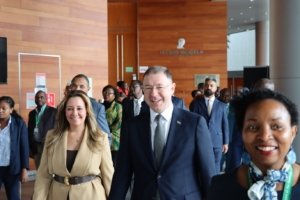
The training forms part of broader efforts to implement the Africa Action Plan on Carbon Markets, strengthen governance and institutional capacity across member states and deepen regional cooperation on carbon market development.

The knowledge and policy insights shared during the program equip African diplomats to support national carbon market frameworks, engage more effectively in international negotiations and advance Africa’s common position as carbon markets continue to shape the global climate landscape.

Bangoura said the future of carbon markets will influence Africa’s economic transformation, environmental sustainability and climate resilience.

“The future of carbon markets will have important implications for Africa’s economic transformation, environmental sustainability and climate resilience,” Bangoura stated.

Together, we can help ensure that Africa is not only a participant in global carbon markets, but a leader in promoting carbon markets that are fair, credible, transparent and firmly anchored in sustainable development,” he added.


Get the inside Story

Stay informed on the stories shaping Africa’s future. Get breaking news, in-depth analysis, opinions and exclusive insights from across the continent delivered to your inbox, free and unfiltered.


Get in touch for more:
Felix Tih
Editorial Director, Bantu Gazette
WhatsApp
LinkedIn
X (Twitter)
Instagram

Related Posts

Atlantic African States Adopt Cotonou Declaration to Boost Maritime Security and Green Trade
Policy & Governance

Atlantic African States Adopt Cotonou Declaration to Boost Maritime Security and Green Trade

July 15, 2026
Amazon Satellite Expansion, EU Investment Boost Kenya’s Digital Hub Ambitions
Policy & Governance

Kenya Enacts Sovereign Wealth Fund Law to Safeguard Resource Revenue

July 15, 2026
Kenya Retires Paper Logbooks in Major Digital Overhaul
Policy & Governance

Kenya Retires Paper Logbooks in Major Digital Overhaul

July 7, 2026
Rwanda Marks 32nd Liberation Day, Highlights Economic Growth
Policy & Governance

Rwanda Marks 32nd Liberation Day, Highlights Economic Growth

July 7, 2026
Gender Equality Progress Hinges on Implementation, Not New Policies, Experts Warn
Development & Impact

Gender Equality Progress Hinges on Implementation, Not New Policies, Experts Warn

July 11, 2026
Côte d’Ivoire Calls for Building a Citizen-Friendly Public Service
Policy & Governance

Côte d’Ivoire Calls for Building a Citizen-Friendly Public Service

June 25, 2026

Most Recent

1,700 Refugee and Host Community Youth Receive Digital Skills Training in Kenya
Development & Impact

1,700 Refugee and Host Community Youth Receive Digital Skills Training in Kenya

by Waceke Nganga
July 21, 2026
0

The initiative combines community-based training, Microsoft certifications and employment pathways to expand digital opportunities for young people in Kenya's two...

Read moreDetails
Mali’s $190 Million Power Project to Connect 10,000 Households

Mali’s $190 Million Power Project to Connect 10,000 Households

July 20, 2026
Mandela Day Marked with Nationwide Acts of Service and Renewed Focus on Dignity

Mandela Day Marked with Nationwide Acts of Service and Renewed Focus on Dignity

July 20, 2026
Beyond the Broken Promise of Education

Inclusive Education Seen as Foundation for Africa’s Sustainable Growth

July 17, 2026
Coding Our Own Future Ending digital dependency starts with mental sovereignty - Bantu Gazette

People, Not Technology, Remain Africa’s Biggest Digital Transformation Challenge

July 20, 2026
Chad Announces Visa-Free Entry for All Africans Beginning Jan. 1, 2027

Chad Announces Visa-Free Entry for All Africans Beginning Jan. 1, 2027

July 16, 2026
New Africa-Wide Chief Economists Network Targets Stronger Policymaking

New Africa-Wide Chief Economists Network Targets Stronger Policymaking

July 17, 2026
1,700 Refugee and Host Community Youth Receive Digital Skills Training in Kenya
Development & Impact

1,700 Refugee and Host Community Youth Receive Digital Skills Training in Kenya

by Waceke Nganga
Reading Time: 2 mins read
July 21, 2026
0

The initiative combines community-based training, Microsoft certifications and employment pathways to expand digital opportunities for young people in Kenya's two...

Read moreDetails
Mali’s $190 Million Power Project to Connect 10,000 Households
Energy

Mali’s $190 Million Power Project to Connect 10,000 Households

by Aissatou Fall
Reading Time: 2 mins read
July 20, 2026
0

African Development Bank-backed project will expand the capital's electricity network and improve power reliability for homes, businesses and industry.

Read moreDetails
Mandela Day Marked with Nationwide Acts of Service and Renewed Focus on Dignity
Uncategorized

Mandela Day Marked with Nationwide Acts of Service and Renewed Focus on Dignity

by Naledi Kgosi
Reading Time: 2 mins read
July 20, 2026
0

From new classrooms and children's books to food relief and water access, organizations across South Africa honored Nelson Mandela's legacy...

Read moreDetails

High-Level Training Strengthens African Diplomats’ Knowledge of Carbon Markets

ACBF, AUC and AIDA convene African ambassadors and diplomats in Addis Ababa to strengthen technical expertise and policy engagement on carbon markets.

High-Level Training Strengthens African Diplomats’ Knowledge of Carbon Markets

The African Capacity Building Foundation (ACBF) and the African Union Commission (AUC), with support from the Azerbaijan International Development Agency (AIDA), convened a high-level training on Wednesday to strengthen African diplomats’ knowledge of carbon markets as the continent advances implementation of the Africa Action Plan on Carbon Markets.

More than 80 African ambassadors and senior diplomats accredited to the African Union participated in the training at the African Union Headquarters in Addis Ababa, Ethiopia, where they deepened their understanding of carbon market mechanisms, governance and policy to support Africa’s participation in global carbon markets.

Speaking on behalf of ACBF Executive Secretary Mamadou Biteye, Ambassador Laho Bangoura, Special Adviser to the Executive Secretary and Head of the ACBF Liaison Office to the African Union, emphasized that capacity development remains central to Africa’s climate ambitions.

“As climate finance becomes increasingly central to Africa’s development agenda, capacity development must remain at the heart of our response. Because when Africa has the right capacities, Africa can better shape its own future.”

Ambassador laho Bangoura

The training examined carbon market mechanisms, policy and regulatory frameworks, governance systems and practical African experiences.

Participants explored compliance and voluntary carbon markets, transparency requirements, community engagement, benefit-sharing mechanisms and the role of forests, wetlands and other natural carbon sinks in generating high-integrity carbon credits.

The sessions also examined Africa’s position in international carbon markets and the policy coordination required to strengthen the continent’s voice in global climate negotiations.

African countries continue to place carbon markets higher on the continental climate agenda as governments pursue green investment and sustainable development.

The Africa Action Plan on Carbon Markets, adopted by the African Union Assembly in 2025, provides member states with a common approach to developing high-integrity carbon markets that support economic growth, environmental stewardship and equitable benefit-sharing.

Recent decisions adopted under Article 6 of the Paris Agreement at COP29 have created greater certainty for international carbon trading, opening new opportunities for developing countries to mobilize investment for climate action.

Opening the training, African Union Commissioner for Agriculture, Rural Development, Blue Economy and Sustainable Environment, H.E. Moses Vilakati, said that effective governance remains central to Africa’s participation in carbon markets.

H.E. Moses Vilakati

“Our collective approach must continue to be guided by our continental frameworks. These frameworks require us to safeguard ecosystem integrity, ensure genuine Free, Prior and Informed Consent (FPIC), and guarantee transparent, legally enforceable benefit-sharing with indigenous peoples and local communities.”

Ambassador Ruslan Nasibov of the Republic of Azerbaijan said the progress achieved at COP29 creates significant opportunities for Africa to expand its role in international carbon markets while strengthening sustainable development.

“For Africa, this achievement presents significant opportunities. The continent possesses extraordinary natural assets, abundant renewable energy potential, and vast opportunities for generating high-integrity carbon credits. Yet realizing this potential requires strong institutions, sound regulatory frameworks, technical expertise, and skilled negotiators who can effectively represent national and continental interests.”

The program reflects continued cooperation between the African Union Commission, ACBF and Azerbaijan to strengthen Africa’s institutional capacity on emerging development priorities.

Azerbaijan supported the training through the Azerbaijan International Development Agency following its COP29 Presidency, which placed particular emphasis on advancing the priorities of climate-vulnerable countries and strengthening Africa’s participation in international climate processes.

The training forms part of broader efforts to implement the Africa Action Plan on Carbon Markets, strengthen governance and institutional capacity across member states and deepen regional cooperation on carbon market development.

The knowledge and policy insights shared during the program equip African diplomats to support national carbon market frameworks, engage more effectively in international negotiations and advance Africa’s common position as carbon markets continue to shape the global climate landscape.

Bangoura said the future of carbon markets will influence Africa’s economic transformation, environmental sustainability and climate resilience.

“The future of carbon markets will have important implications for Africa’s economic transformation, environmental sustainability and climate resilience,” Bangoura stated.

Together, we can help ensure that Africa is not only a participant in global carbon markets, but a leader in promoting carbon markets that are fair, credible, transparent and firmly anchored in sustainable development,” he added.

High-Level Training Strengthens African Diplomats’ Knowledge of Carbon Markets

ACBF, AUC and AIDA convene African ambassadors and diplomats in Addis Ababa to strengthen technical expertise and policy engagement on carbon markets.

High-Level Training Strengthens African Diplomats’ Knowledge of Carbon Markets
Felix Tihby Felix Tih
July 8, 2026

The African Capacity Building Foundation (ACBF) and the African Union Commission (AUC), with support from the Azerbaijan International Development Agency (AIDA), convened a high-level training on Wednesday to strengthen African diplomats’ knowledge of carbon markets as the continent advances implementation of the Africa Action Plan on Carbon Markets.

More than 80 African ambassadors and senior diplomats accredited to the African Union participated in the training at the African Union Headquarters in Addis Ababa, Ethiopia, where they deepened their understanding of carbon market mechanisms, governance and policy to support Africa’s participation in global carbon markets.

Speaking on behalf of ACBF Executive Secretary Mamadou Biteye, Ambassador Laho Bangoura, Special Adviser to the Executive Secretary and Head of the ACBF Liaison Office to the African Union, emphasized that capacity development remains central to Africa’s climate ambitions.

“As climate finance becomes increasingly central to Africa’s development agenda, capacity development must remain at the heart of our response. Because when Africa has the right capacities, Africa can better shape its own future.”

Ambassador laho Bangoura

The training examined carbon market mechanisms, policy and regulatory frameworks, governance systems and practical African experiences.

Participants explored compliance and voluntary carbon markets, transparency requirements, community engagement, benefit-sharing mechanisms and the role of forests, wetlands and other natural carbon sinks in generating high-integrity carbon credits.

The sessions also examined Africa’s position in international carbon markets and the policy coordination required to strengthen the continent’s voice in global climate negotiations.

African countries continue to place carbon markets higher on the continental climate agenda as governments pursue green investment and sustainable development.

The Africa Action Plan on Carbon Markets, adopted by the African Union Assembly in 2025, provides member states with a common approach to developing high-integrity carbon markets that support economic growth, environmental stewardship and equitable benefit-sharing.

Recent decisions adopted under Article 6 of the Paris Agreement at COP29 have created greater certainty for international carbon trading, opening new opportunities for developing countries to mobilize investment for climate action.

Opening the training, African Union Commissioner for Agriculture, Rural Development, Blue Economy and Sustainable Environment, H.E. Moses Vilakati, said that effective governance remains central to Africa’s participation in carbon markets.

H.E. Moses Vilakati

“Our collective approach must continue to be guided by our continental frameworks. These frameworks require us to safeguard ecosystem integrity, ensure genuine Free, Prior and Informed Consent (FPIC), and guarantee transparent, legally enforceable benefit-sharing with indigenous peoples and local communities.”

Ambassador Ruslan Nasibov of the Republic of Azerbaijan said the progress achieved at COP29 creates significant opportunities for Africa to expand its role in international carbon markets while strengthening sustainable development.

“For Africa, this achievement presents significant opportunities. The continent possesses extraordinary natural assets, abundant renewable energy potential, and vast opportunities for generating high-integrity carbon credits. Yet realizing this potential requires strong institutions, sound regulatory frameworks, technical expertise, and skilled negotiators who can effectively represent national and continental interests.”

The program reflects continued cooperation between the African Union Commission, ACBF and Azerbaijan to strengthen Africa’s institutional capacity on emerging development priorities.

Azerbaijan supported the training through the Azerbaijan International Development Agency following its COP29 Presidency, which placed particular emphasis on advancing the priorities of climate-vulnerable countries and strengthening Africa’s participation in international climate processes.

The training forms part of broader efforts to implement the Africa Action Plan on Carbon Markets, strengthen governance and institutional capacity across member states and deepen regional cooperation on carbon market development.

The knowledge and policy insights shared during the program equip African diplomats to support national carbon market frameworks, engage more effectively in international negotiations and advance Africa’s common position as carbon markets continue to shape the global climate landscape.

Bangoura said the future of carbon markets will influence Africa’s economic transformation, environmental sustainability and climate resilience.

“The future of carbon markets will have important implications for Africa’s economic transformation, environmental sustainability and climate resilience,” Bangoura stated.

Together, we can help ensure that Africa is not only a participant in global carbon markets, but a leader in promoting carbon markets that are fair, credible, transparent and firmly anchored in sustainable development,” he added.
Get the inside Story

Stay informed on the stories shaping Africa’s future. Get breaking news, in-depth analysis, opinions and exclusive insights from across the continent delivered to your inbox, free and unfiltered.


Get in touch for more:
Felix Tih
Editorial Director, Bantu Gazette
WhatsApp
LinkedIn
X (Twitter)
Instagram

Related Posts

Atlantic African States Adopt Cotonou Declaration to Boost Maritime Security and Green Trade

Atlantic African States Adopt Cotonou Declaration to Boost Maritime Security and Green Trade

by Genoveva Ntutumu
July 14, 2026
0

...

Amazon Satellite Expansion, EU Investment Boost Kenya’s Digital Hub Ambitions

Kenya Enacts Sovereign Wealth Fund Law to Safeguard Resource Revenue

by Waceke Nganga
July 14, 2026
0

...

Kenya Retires Paper Logbooks in Major Digital Overhaul

Kenya Retires Paper Logbooks in Major Digital Overhaul

by Waceke Nganga
July 6, 2026
0

...

Rwanda Marks 32nd Liberation Day, Highlights Economic Growth

Rwanda Marks 32nd Liberation Day, Highlights Economic Growth

by Amani Mwakalebela
July 5, 2026
0

...

Gender Equality Progress Hinges on Implementation, Not New Policies, Experts Warn

Gender Equality Progress Hinges on Implementation, Not New Policies, Experts Warn

by Felix Tih
June 26, 2026
0

...

Côte d’Ivoire Calls for Building a Citizen-Friendly Public Service

Côte d’Ivoire Calls for Building a Citizen-Friendly Public Service

by Aissatou Fall
June 24, 2026
0

...

1,700 Refugee and Host Community Youth Receive Digital Skills Training in Kenya
Development & Impact

1,700 Refugee and Host Community Youth Receive Digital Skills Training in Kenya

by Waceke Nganga
Reading Time: 2 mins read
July 21, 2026
0

The initiative combines community-based training, Microsoft certifications and employment pathways to expand digital opportunities for young people in Kenya's two...

Read moreDetails
Mali’s $190 Million Power Project to Connect 10,000 Households

Mali’s $190 Million Power Project to Connect 10,000 Households

by Aissatou Fall
July 20, 2026
0

African Development Bank-backed project will expand the capital's electricity network and improve power reliability for homes, businesses and industry.

Mandela Day Marked with Nationwide Acts of Service and Renewed Focus on Dignity

Mandela Day Marked with Nationwide Acts of Service and Renewed Focus on Dignity

by Naledi Kgosi
July 18, 2026
0

From new classrooms and children's books to food relief and water access, organizations across South Africa honored Nelson Mandela's legacy...

Beyond the Broken Promise of Education

Inclusive Education Seen as Foundation for Africa’s Sustainable Growth

by Felix Tih
July 17, 2026
0

Quality, inclusive education is the cornerstone of Africa's sustainable future, with experts urging reforms rooted in Ubuntu and decolonization.

Coding Our Own Future Ending digital dependency starts with mental sovereignty - Bantu Gazette

People, Not Technology, Remain Africa’s Biggest Digital Transformation Challenge

by Felix Tih
July 17, 2026
0

Experts speaking during DigiBiz Africa's latest webinar said businesses often focus on software while overlooking the human behaviors that determine...

Next Post
Togo Grants Visa-Free Entry to All Africans

Togo Rises to Lower-Middle-Income Status in New World Bank Income Classification

Ethiopia Defies Regional Slowdown with Record $4.32 Billion Foreign Direct Investment Inflow

Ethiopia Defies Regional Slowdown with Record $4.32 Billion Foreign Direct Investment Inflow

Kolwezi Fashion Week Aligns Local Creativity with DR Congo’s Creative Economy Ambitions

Kolwezi Fashion Week Aligns Local Creativity with DR Congo's Creative Economy Ambitions

Ethiopia’s Flagship Dam Doubles Power Output, Supplies Half of Country’s Electricity

Ethiopia Solidifies Role as Central Energy Hub with Landmark Kenya Power Deal

Bantu Gazette is a pioneering news platform that champions Africa's development, culture, and heritage. We spotlight the continent's successes, address its challenges, and provide insightful coverage of events that shape its future.

Bantu Gazette is a pioneering news platform that champions Africa's development, culture, and heritage. We spotlight the continent's successes, address its challenges, and provide insightful coverage of events that shape its future.

Our Platforms

  • Bantu Magazine
  • Bantu Brief
  • Black Frame Studio

Our Services

  • Bantu Agency
  • Advertise
  • Partnerships

Our Services

  • Editorial Director
  • Opportunities
  • Contact

Bantu Gazette is a pioneering news platform that champions Africa's development, culture, and heritage. We spotlight the continent's successes, address its challenges, and provide insightful coverage of events that shape its future.

Our Platforms

  • Bantu Magazine
  • Bantu Brief
  • Black Frame Studio

Our Services

  • Bantu Agency
  • Advertise
  • Partnerships

Our Services

  • Editorial Director
  • Opportunities
  • Contact
Bantu Gazette
  • Energy & Trade
  • Finance
  • Health
  • Politics & Economy
  • Technology
  • Environment
  • Feature
  • Opinion
  • Changemakers
  • Tourism & Culture
  • Magazine