
GABORONE
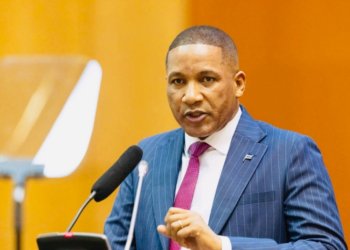
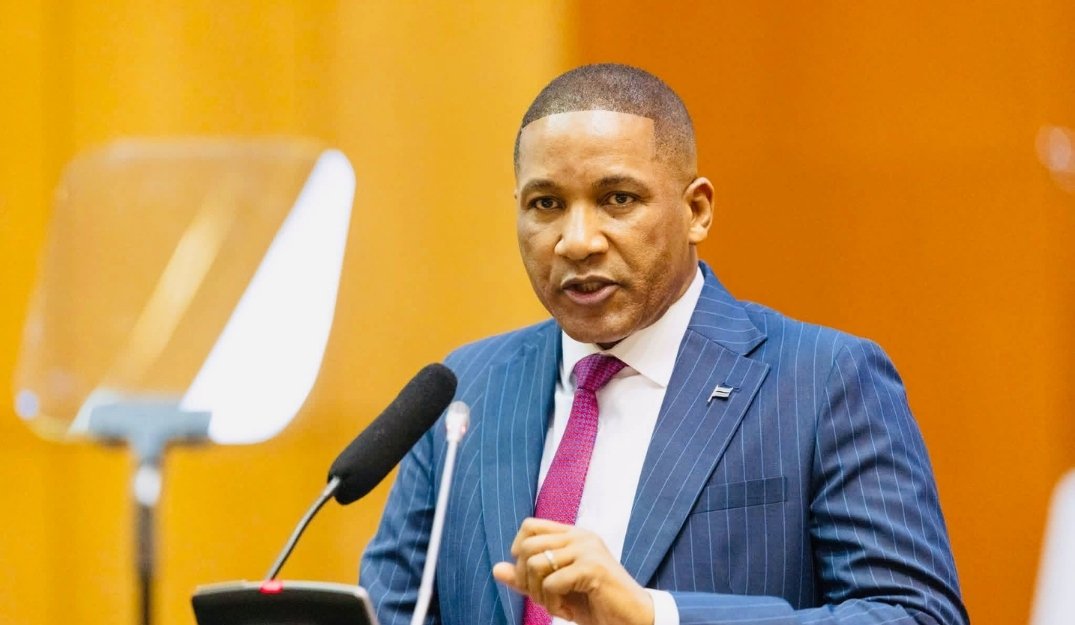
Botswana plans to double its stake in diamond giant De Beers from 15% to 30%, a move President Duma Boko says will give the country greater control over its mineral wealth as it seeks to diversify an economy heavily dependent on diamonds.
Delivering his State of the Nation Address on Monday, Boko announced that Botswana had selected the Global Diamond Consortium as its preferred bidder for Anglo American’s 85% interest in De Beers.
Once the transaction is completed, Botswana will become De Beers’ single largest shareholder, strengthening its influence over the company’s strategic decisions. Angola and Namibia are also expected to participate in the transaction.
The proposed acquisition comes as Botswana grapples with weakening diamond demand and growing competition from laboratory-grown stones.
Boko stressed the importance of protecting the value of natural diamonds through stronger marketing while positioning Botswana to benefit from emerging technologies, including synthetic diamonds used in advanced industrial applications.
The president also highlighted progress on the Diamonds for Development Fund, established in partnership with De Beers to support the country’s development ambitions.
The fund has received its first annual payment of 1 billion pula (US$72 million) from a planned 10 billion pula contribution by De Beers. It is overseen by an independent board.
Beyond diamonds, Boko outlined initiatives aimed at expanding Botswana’s productive sectors, strengthening energy security and increasing exports.
He said electricity imports had fallen by 62%, from 492 gigawatt-hours in the corresponding 2025-26 period to 187 gigawatt-hours in 2026-27.
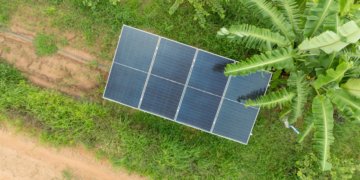
The reduction follows the addition of 200 megawatts of solar power from the Mmadinare and Jwaneng plants and improved operational reliability at the Morupule B Power Station.
Agriculture is also emerging as a focus of export diversification.
Botswana exported approximately 10,500 metric tons of citrus during the 2025-26 financial year, accounting for 20% of plant and plant product exports. Key markets included the European Union, Asia, North America and other African countries.
Meanwhile, the government is advancing commercial industrial hemp production following the passage of the Cannabis Act, 2025, and the introduction of regulations in 2026.
By September, authorities had received 14 major project proposals and issued four provisional licenses representing 290 million pula in investment.
Boko also pointed to improving foreign exchange reserves as evidence of strengthening economic resilience.
Reserves rose 32.2% to 63.2 billion pula ($4.4 billion) in July 2026, providing 8.3 months of import cover, compared with 6.3 months a year earlier.
Despite these gains, Botswana’s economy contracted by 0.7% in 2025, following a 2.8% contraction in 2024.
Boko said the government’s strategy was not to abandon diamonds but to reduce the country’s exposure to fluctuations in a single industry by expanding agriculture, manufacturing, energy and other productive sectors.
“We need productive diversification, not as a total retreat from diamonds but as strategy to reduce the proportion of national risk concentrated in one sector,” he said.