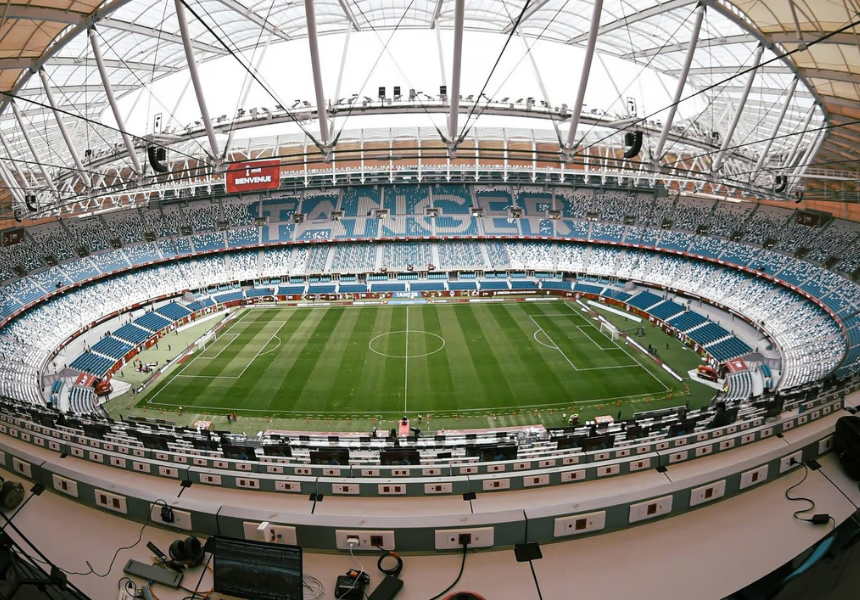

Major sporting tournaments can do more than bring international attention to a country, with the potential to improve facilities, create jobs, attract visitors and develop young athletes when properly planned.
Across Africa, where many young people have sporting ambitions but limited access to quality facilities, coaching and professional development, these events present a major opportunity. But hosting a tournament does not automatically create lasting progress.
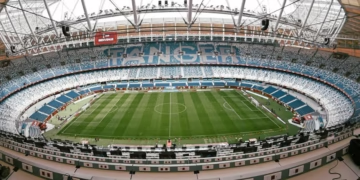
Morocco’s preparations for the 2030 FIFA World Cup offer a useful test, as the country will co-host the tournament with Portugal and Spain, while Uruguay, Argentina, and Paraguay will each host a centenary match.
FIFA confirmed the hosts in December 2024, making Morocco the first African country selected to host the men’s World Cup since South Africa in 2010.
In an interview with Bantu Gazette Sports, Dr. Kamilla Swart, an associate professor at Hamad Bin Khalifa University in Qatar who specializes in mega-event legacy planning, said long-term success depends on community development, responsible spending and youth investment.
Building a legacy beyond stadiums
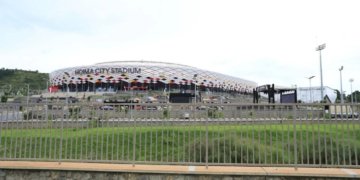
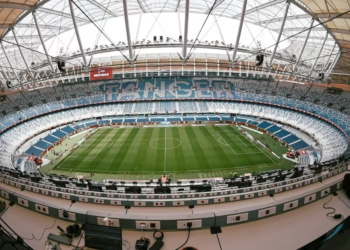
Morocco is investing not only in stadiums but also in transportation, airports and other infrastructure needed for the tournament. In July 2025, the government announced plans for the Morocco 2030 Foundation to coordinate and monitor World Cup-related development projects.
The challenge is to ensure that World Cup investment benefits people beyond major host cities and continues after the tournament. Young people should have access to facilities, organized sports and quality coaching long after international teams leave.
Swart said legacy should be judged by the effect on everyday life, not simply by the scale of construction.
“Social legacy should be measured by improvements in people’s everyday quality of life and not simply by the number of stadiums or infrastructure projects completed,” she said.
Girls and young women should also benefit through safe training spaces, suitable changing facilities, qualified female coaches and clear pathways into competitive sports and the broader sports ecosystem.
Youth development must start early
Major tournaments can inspire young people, but inspiration alone does not create professional athletes. Young players need regular training, qualified coaches, education, medical support and opportunities to compete.
Swart said those benefits must be built into tournament planning rather than expected to emerge automatically.
“One of the key lessons from mega-events is that community development cannot simply be assumed to happen because investment is taking place,” she said.
“Morocco should build community benefits into the planning process from the outset, including dedicated funding for community sport facilities, public spaces, local transport, skills development, and small businesses,” she added.
Morocco already has development infrastructure in place, such as the Mohammed VI Football Academy in Salé, which combines football training with formal education for players ages 13 to 18.
The wider Mohammed VI Football Complex supports national teams, training camps and sports performance work.
The bigger challenge is connecting elite facilities with grassroots football.
Young players from smaller towns and lower-income communities need fair opportunities to be identified and developed. Talent pathways should not depend on access to private academies or influential networks.
The 2026 FIFA U-17 World Cup in Qatar, scheduled for Nov. 19-Dec. 13, also offers African players a platform to gain international experience and attract scouts. Countries, however, need strong domestic systems to ensure players continue developing after youth tournaments.
Furthermore, youth involvement in sports should extend beyond participation to keep young people truly invested, on and off the field.
Avoiding white elephants
One of the greatest risks for tournament hosts is creating facilities that later become financial burdens.
Swart said organizers should plan infrastructure around its post-event use before construction begins, in fact, when the decision to bid is made.
“South Africa demonstrated the difficulties that could arise when very large facilities are created for World Cup demand that cannot necessarily be replicated by domestic sport afterwards,” she said.
“Multi-purpose use, adaptable capacity, realistic demand forecasting, and long-term management plans therefore need to be established before construction. Moreover, host destinations need to consider a balanced portfolio of events, where homegrown events are anchored by international ones in a more sustained manner,” she said.
Morocco also faces risks from escalating infrastructure costs, underused venues and an uneven distribution of benefits.
Its stadiums need realistic plans for domestic football, community activities and commercial use after 2030. Training facilities, community pitches and multipurpose sports centers may provide more direct value to young people than large venues that are expensive to operate.
Swart argued that maximizing long-term venue use requires a fundamental rethink of event bidding, stadium development and overall infrastructure investment strategies aligned with national development priorities.
Creating opportunities beyond sports
Major tournaments also create jobs in tourism, transportation, hospitality, retail, media and event services.
Swart said small and medium-sized businesses and informal traders should be included in procurement and planning.
“This could include procurement targets for local SMEs, simplified tendering processes, designated trading areas for informal businesses, affordable licensing, and access to finance,” she said.
Young people can benefit through vocational training, internships and jobs that provide transferable skills.
The same principle applies to other African countries. Morocco’s model cannot simply be copied because countries differ in finances, geography, infrastructure and sporting strengths.
Swart argued that governments should first identify what they want sports to achieve, then decide which events support those priorities.
Regional cooperation could also help countries share resources, coordinate events and improve cross-border travel.
Dakar offers another model
The Dakar 2026 Youth Olympic Games provide a different example of how international sports can support young people.
The Games, scheduled for Oct. 31-Nov. 13, 2026, will be the first Olympic sporting event held on African soil.
The event could encourage participation in sports that receive less attention than football and give young Senegalese athletes and those from the rest of the continent international exposure.
Its long-term value, however, will depend on what happens after the Games. Schools, clubs and community organizations will need continued funding, trained coaches and maintained facilities if the event is to create lasting benefits.
Dakar also offers other African countries a chance to consider investment beyond football, including lesser-known or underfunded sports that are on the 2026 Youth Olympic program.
Success comes after the crowds leave
Morocco 2030 and Dakar 2026 offer different opportunities, but both raise the same question:
What remains for young people when the crowds go home?
African sporting progress should not be measured only by stadium size or the prestige of an event. It should also be measured by access to facilities, quality coaching, opportunities for women and girls, local business growth and sustainable sports organizations.
Major tournaments can open doors, but they cannot build strong sporting systems on their own. That requires long-term investment in people, institutions and grassroots development.
Swart said the distinction between staging an event and building a legacy is crucial.
“For me, one of the biggest lessons from South Africa is that hosting the event successfully and creating a successful legacy are two different things,” she added.