

Burkina Faso’s transitional government has moved to take full ownership of the country’s largest cotton company, completing a nationalization that removes the last private shareholders from a firm the state had already dominated for decades.
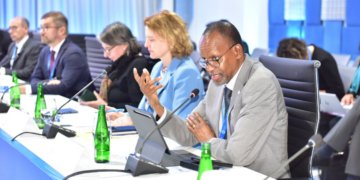
The Council of Ministers on Thursday approved a decree nationalizing the Société burkinabè des fibres textiles, known as SOFITEX, transferring the 6% of shares held by private national and international investors to the state.
The government already controlled 94% of the company through direct and indirect holdings.
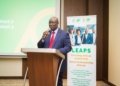
Industry Minister Serge Gnaniodem Poda said SOFITEX had struggled for years under the weight of debt, high operating costs, delays in payments to cotton producers, and rising international input prices.
Full state ownership, he said, was the government’s response to those accumulated pressures.
The move positions Burkina Faso alongside a broader trend in the Sahel, where military-led governments in Mali and Niger have similarly moved to assert greater state control over strategic economic assets since a wave of coups reshaped the region beginning in 2020.
SOFITEX has registered capital of 19.5 billion CFA francs ($31.5 million). Before the nationalization, 89% of the company was held by the state, 5% by state-linked entities, and 6% by private national and international investors, according to Industry Minister Serge Gnaniodem Poda.
The government framed the decision within the ideological framework of what Capt. Ibrahim Traoré’s administration calls the “Progressive Popular Revolution,” a political program that has accompanied a marked shift toward state-led economic management since Traoré came to power in a September 2022 coup.
Critics of resource nationalization in fragile economies argue that state ownership, without accompanying institutional reform, tends to insulate loss-making enterprises from the discipline that drives operational improvement.
SOFITEX’s financial difficulties predated the current administration, raising questions about whether a change in ownership structure alone will address the underlying inefficiencies Poda described.
The company’s debt burden and its record of delayed payments to farmers represent structural challenges that analysts have long linked to management practices and global commodity price volatility, rather than to the shareholding composition the government has now altered.
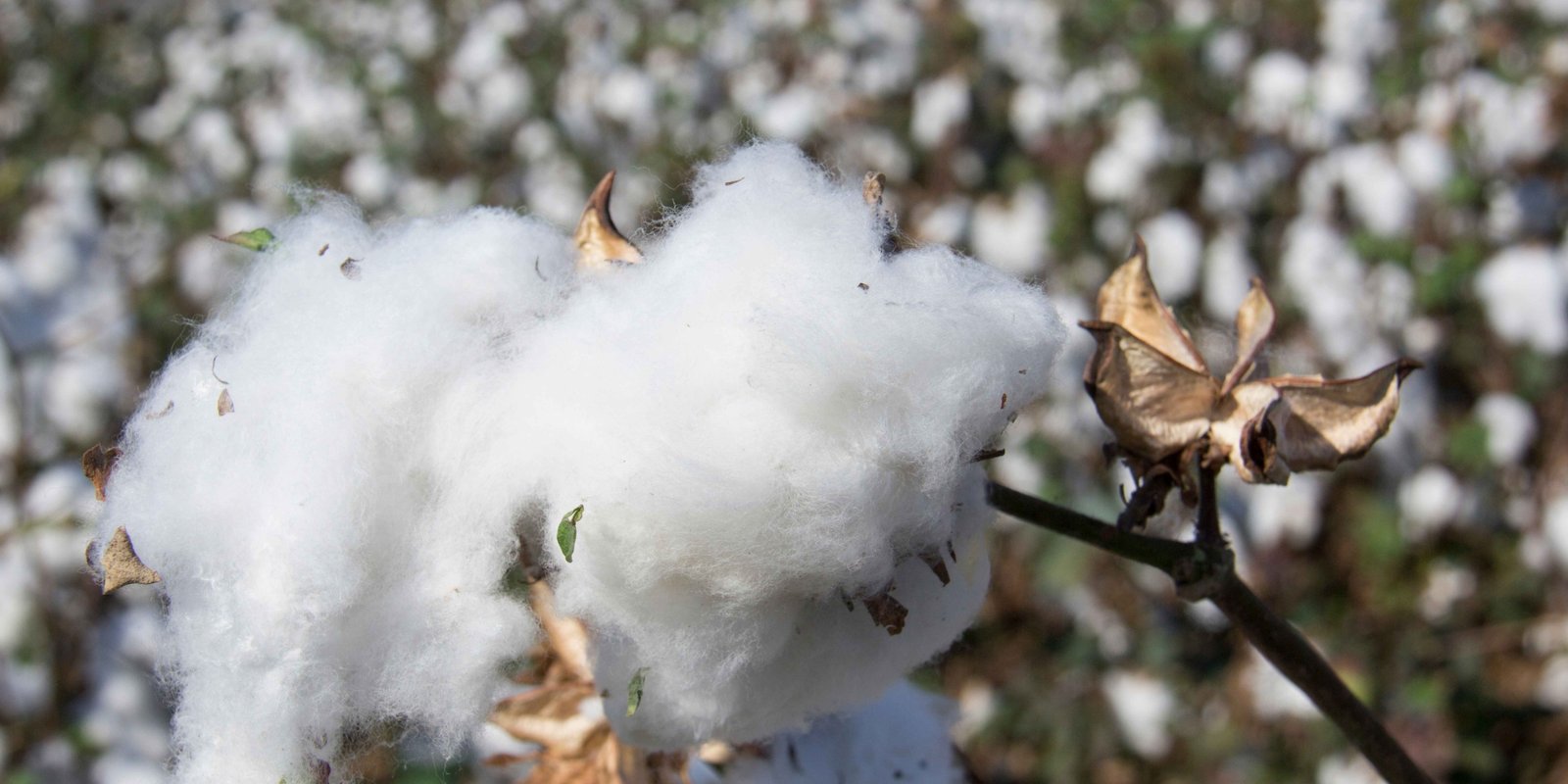
Burkina Faso produces about 400,000 to 500,000 metric tons of seed cotton in strong harvest years, making the sector’s stability directly consequential for food security, rural employment, and foreign exchange earnings.