

Côte d’Ivoire has established a sovereign development fund to channel state resources into long-term strategic investments, formalizing a new financing architecture that positions the country to mobilize private and multilateral capital at scale.
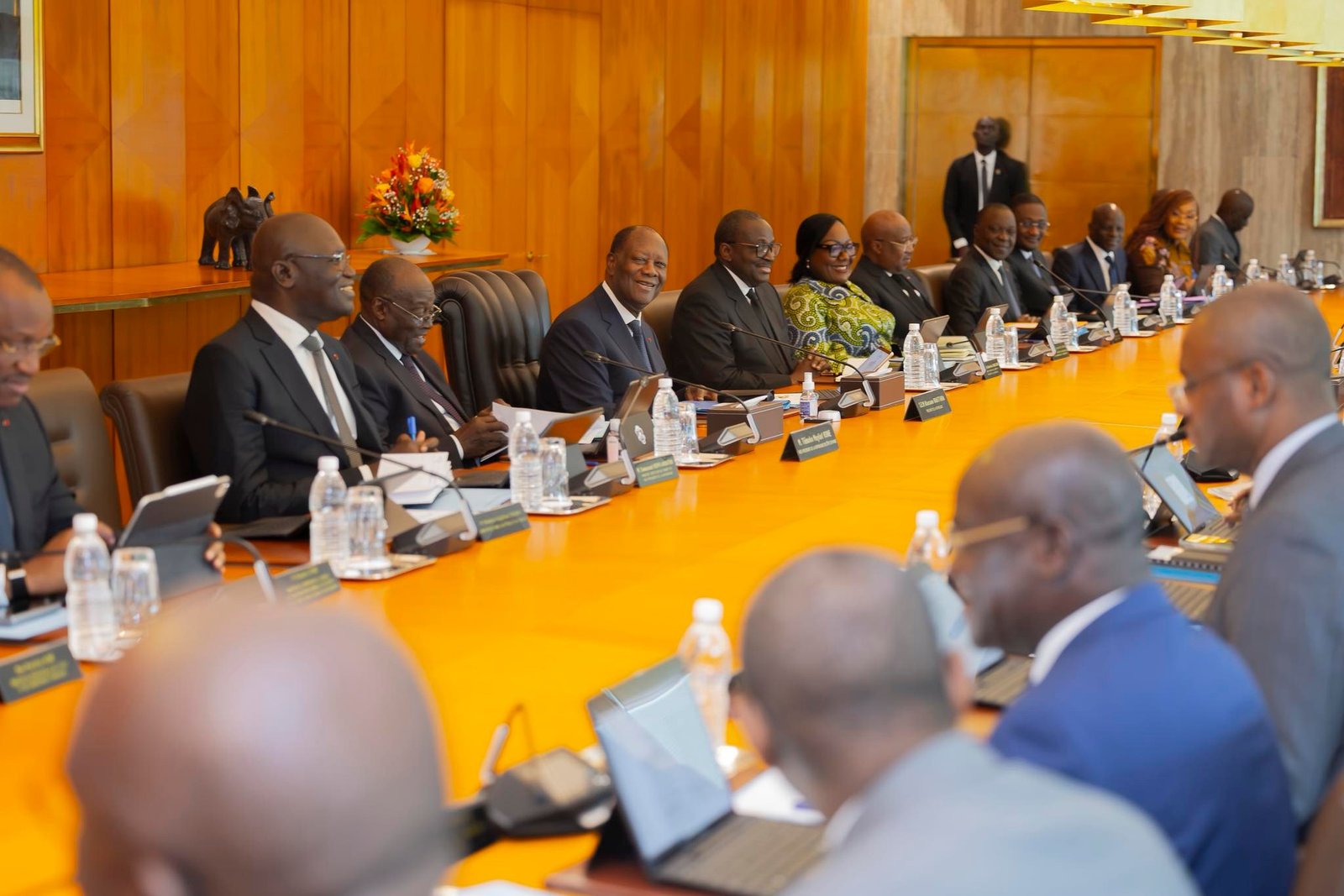
President Alassane Ouattara’s government adopted a presidential ordinance at the April 15 Council of Ministers, creating the Fonds Souverain Stratégique pour le Développement de la Côte d’Ivoire, known as FSD-CI.
The measure was accompanied by a ratification bill and a decree governing operations. Four ministries co-sponsored the ordinance, including Economy, Finance and Budget, alongside Mines, Petroleum and Energy; State Portfolio and Public Enterprises; and Planning and Development.
The fund will be financed through a share of revenue generated by the exploitation of mineral and energy resources, as well as through the transfer of public assets.
Risk management mechanisms, internal controls, and strengthened transparency and accountability frameworks are built into the governance structure, according to the government communiqué.
The FSD-CI is designed to coordinate public assets, attract co-investment, and support implementation of Côte d’Ivoire’s National Development Plan 2026-2030, which targets GDP growth of 7.2% and a CFA114.8 trillion ($191.4 billion) investment framework.
Sovereign development funds are established across emerging economies to professionalize the management of state revenues, particularly those derived from extractive industries, and to insulate public finances from commodity price volatility.
The Council of Ministers also approved two ambassadorial nominations at the same session, including the appointment of a new representative to Guinea, to be based in Conakry, reflecting Abidjan’s continued diplomatic engagement with its West African neighbors, according to a government communiqué.