
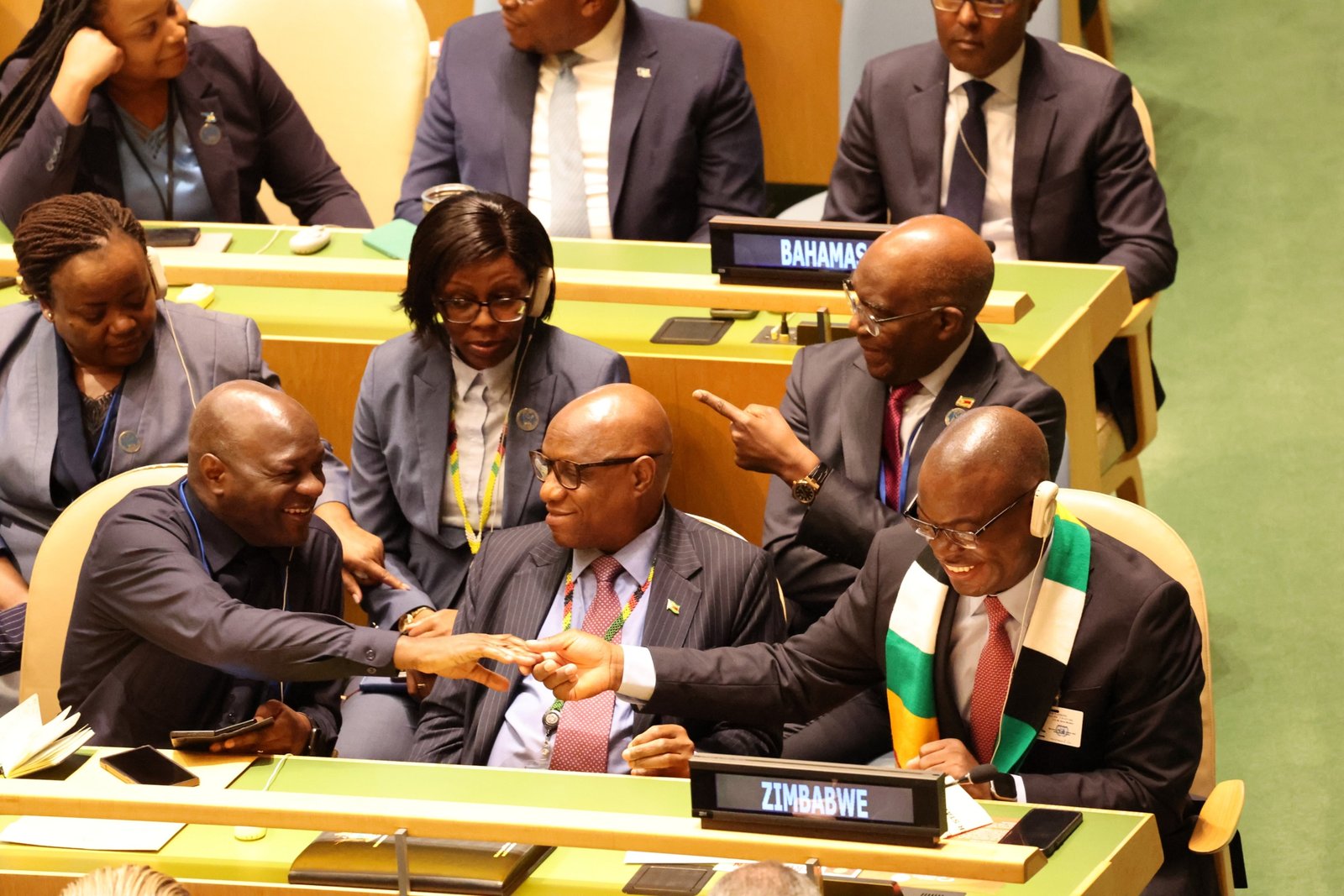

Zimbabwe secured a non-permanent seat on the United Nations Security Council on Wednesday after winning election by the U.N. General Assembly in New York, paving the way for its return to the body for the first time in more than 30 years.
The country’s two-year term will begin Jan. 1, 2027, following an election in which it received 182 of the 190 votes cast by member states.
President Emmerson Mnangagwa welcomed the outcome, describing it as a validation of Zimbabwe’s efforts to re-engage with the international community.
He said the country would work toward “a fairer and more equitable global order” while using its position on the council to strengthen Africa’s voice on issues of peace and security.
The election marks Zimbabwe’s third stint as a non-permanent member of the Security Council. The country previously served on the body during the 1983-84 and 1991-92 terms.
Zimbabwe’s arrival in January 2027 will coincide with the final year of the Democratic Republic of Congo and Liberia’s two-year terms on the council.
Both countries began serving in 2026, with the DRC returning to the body for the first time in 35 years and Liberia taking up its first Security Council seat since 1961.
Zimbabwe will replace Somalia within the African Group allocation when Somalia’s 2025-26 term expires at the end of next year.
Africa holds three of the Security Council’s 10 elected seats under the regional distribution system established by the General Assembly.
Zimbabwe’s candidacy was endorsed by all 54 member states of the African Union, reflecting broad continental support for its bid.
The election came a day after another significant development at U.N. headquarters.
Bangladeshi Foreign Minister Khalilur Rahman was elected president of the General Assembly’s 81st session, defeating Cyprus’ Andreas Kakouris by 99 votes to 91.
Rahman will assume office in September and oversee the assembly during a period that includes the selection of a successor to Secretary-General António Guterres, whose second term expires on Dec. 31, 2026.