

NAIROBI
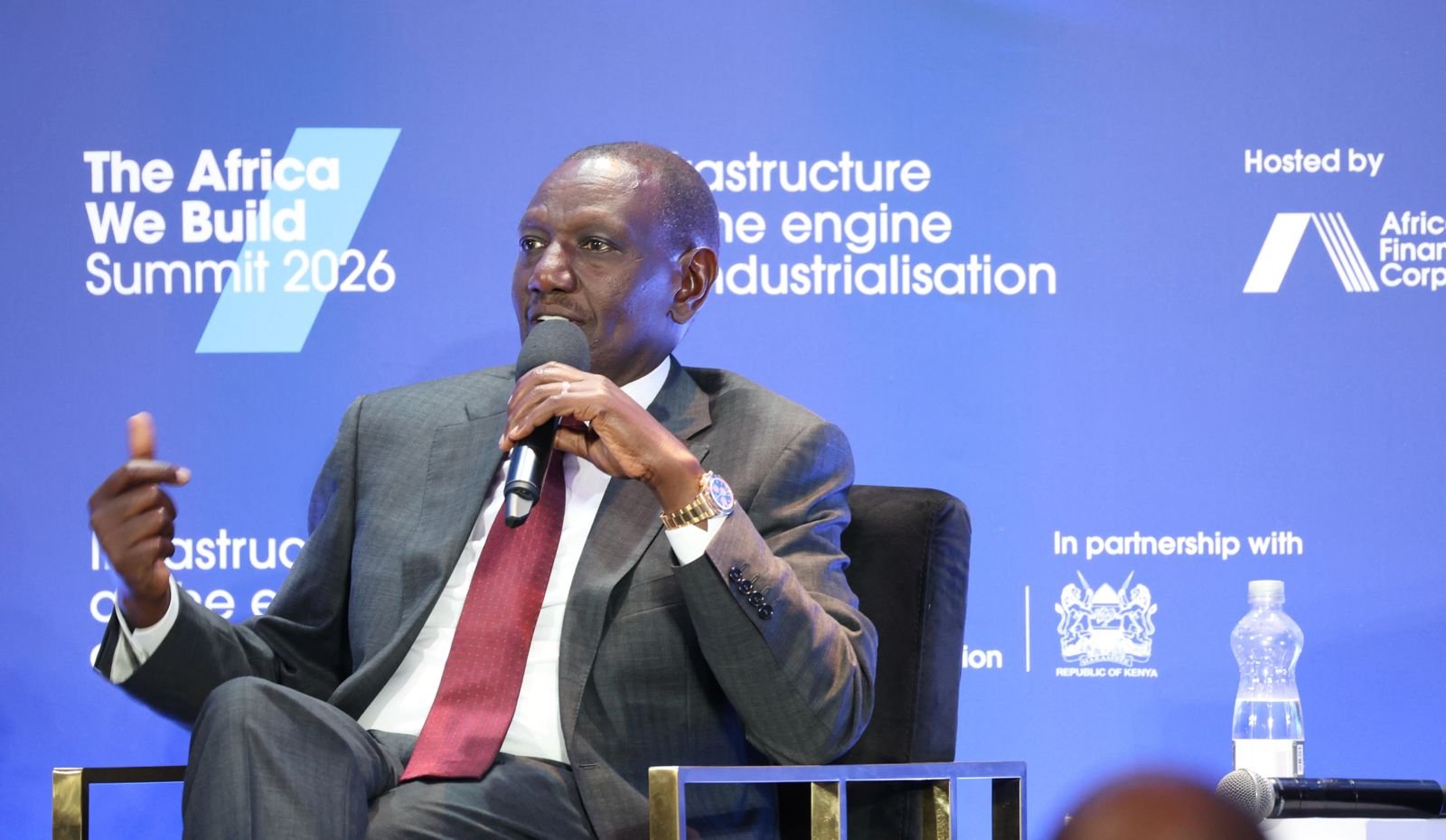
Kenyan President William Ruto has warned that Africa must deploy its own capital to build the infrastructure its development requires or risk watching its priorities shaped by external creditors.
“Our ambitions will remain unrealized if we continue to depend on external capital whose primary interest is securing raw materials for their own industries,” Ruto said at the Africa We Build Summit in Nairobi, co-hosted by Kenya and the African Finance Corporation (AFC).
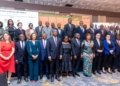
The two-day gathering, held April 23-24 in Nairobi, drew more than 1,000 high-level participants, including heads of state, ministers, investors, and industry leaders.
The summit brought together Ugandan President Yoweri Museveni, AFC President and CEO Samaila Zubairu, and Nigerian industrialist Aliko Dangote, among others.
Ruto pointed to Kenya’s National Infrastructure Fund and a proposed Sovereign Wealth Fund as instruments for mobilizing both public and private capital.
Through these mechanisms, he said, Kenya aims to finance priority projects worth $40 billion over the next decade.
The president also highlighted a structural paradox that undermines continental credibility on energy sovereignty.
Africa produces roughly 10% of global oil output, an estimated 10 million barrels per day, and yet imports 120 million metric tonnes of petroleum products annually at a cost of approximately $90 billion.
To address this, East African nations are discussing a joint oil refinery at Tanga port in Tanzania, drawing on crude from Uganda, South Sudan and the Democratic Republic of Congo.
Museveni reinforced the argument for domestic resource mobilization. “If we constrain consumption, we have enough local capital locked away in our pension funds to finance these projects,” he said.
Dangote told Ruto and Museveni that Africa must stop exporting raw minerals, which he described as “exporting jobs and wealth abroad.” He urged leaders to facilitate policies that enable local processing and industrialization.
Ruto also pressed for deeper regional integration, arguing that East Africa’s endowment in critical minerals, including copper, cobalt, lithium and rare earth elements, positions the continent to compete in global green manufacturing.
Connectivity through roads, railways, ports, and electricity grids, he said, is the precondition for that ambition to materialize.