

East Africa is set to take another step toward integrating its financial markets after a regional initiative secured $9 million in funding to improve cross-border capital markets and payment systems across nine countries.
The African Development Fund, the concessional lending arm of the African Development Bank Group (AfDB), approved the grant June 12 under its 16th replenishment cycle, the bank said.
According to AfDB, the project is designed to strengthen regional financial infrastructure by developing more integrated capital markets, improving payment systems, and enhancing the regulatory and institutional capacity of participating countries.
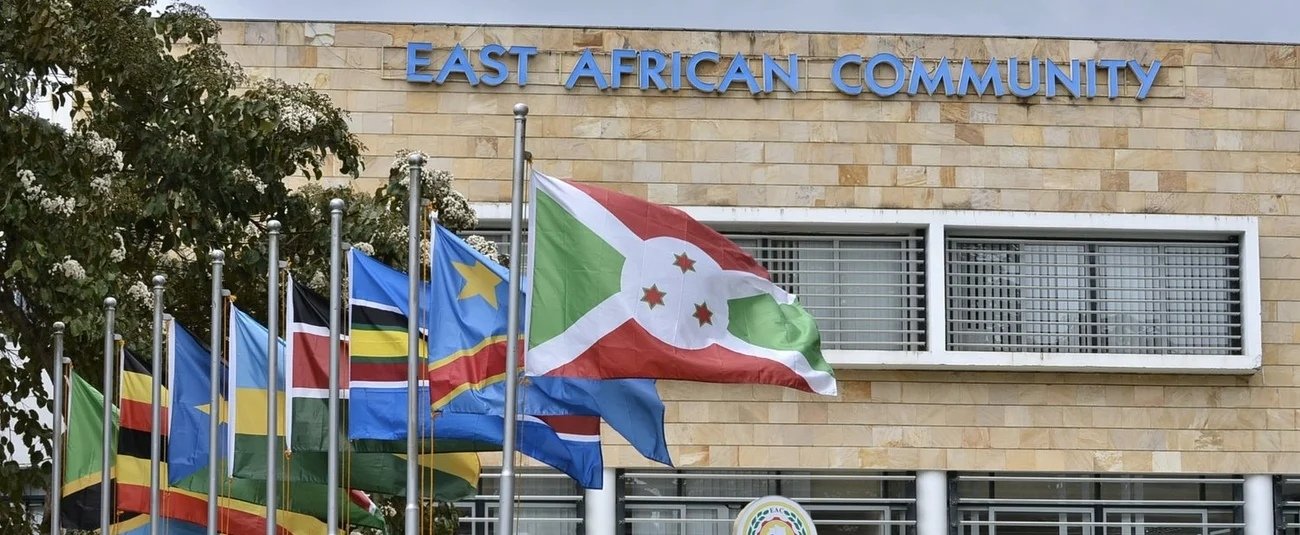
The East Africa and Horn of Africa Capital Markets and Payment Systems Integration Project will be implemented by the East African Community Secretariat and aims to accelerate cross-border investment, improve financial market efficiency and expand access to long-term financing in Burundi, the Democratic Republic of the Congo, Ethiopia, Kenya, Rwanda, Somalia, South Sudan, Tanzania and Uganda.
The initiative also seeks to expand access to financial services for businesses and individuals while encouraging greater participation by women and young people in regional financial markets.
The project supports the East African Community Cross-Border Masterplan for 2025-2030 and aligns with the African Continental Free Trade Area’s objective of improving the financial systems needed to facilitate regional trade and investment.
“The future of East Africa’s economy will depend not only on the movement of goods and services, but also on the seamless movement of capital,” East African Community Secretary-General Stephen Patrick Mbundi said.
He said the project would help mobilize investment, deepen regional financial markets and create new opportunities for businesses and citizens across the region.
Ahmed Attout, AfDB’s director for Financial Sector Development, said integrated financial markets are essential to Africa’s economic transformation.
“The project reflects the Bank’s commitment to advancing regional integration through practical, high-impact investments,” Attout said.
“This project will help strengthen both the infrastructure and regulatory foundations needed to mobilize domestic capital, deepen regional markets and support greater economic resilience,” he added.