

CONAKRY
Guinea has launched a national strategy to develop its poultry sector, with the government positioning the initiative as a major employment program expected to generate hundreds of thousands of jobs while reducing the country’s reliance on poultry imports.
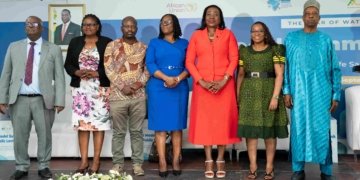
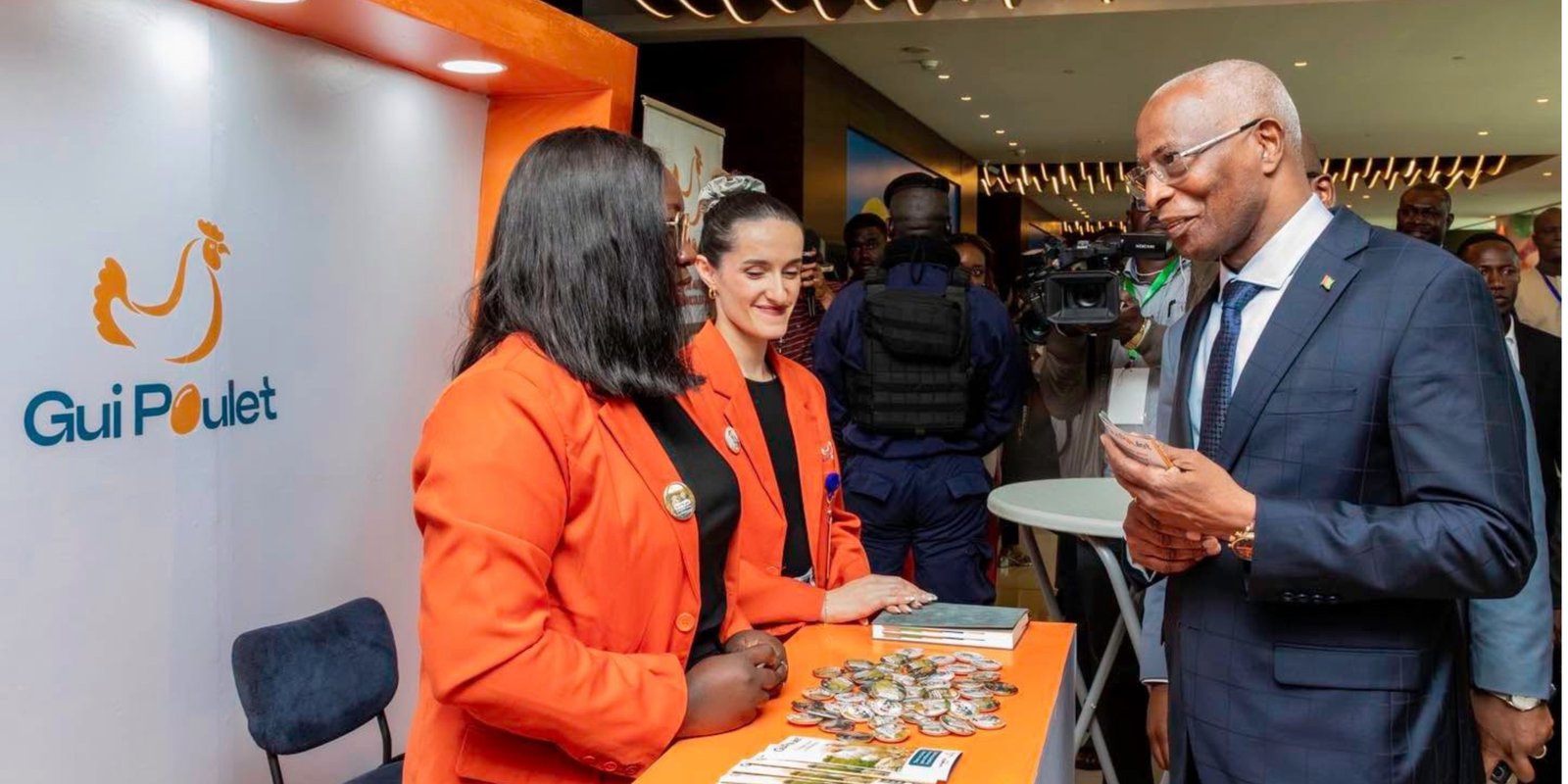
Prime Minister Amadou Oury Bah presented the strategy Monday during a two-day workshop in Conakry organized by the Ministry of Livestock.
Government officials, private sector representatives and development partners gathered to discuss financing mechanisms and priorities for expanding domestic poultry production.
The government said the strategy calls for an investment of 5.124 trillion Guinean francs ($563 million) from the state, development partners and private investors.
According to the Ministry of Livestock, the plan aims to make Guinea self-sufficient in poultry meat and egg production while creating 260,000 direct jobs and more than 300,000 indirect jobs across the poultry value chain.
Livestock Minister Félix Lamah said the strategy is designed to transform poultry production into a driver of economic growth while strengthening the competitiveness of local producers.
Prime Minister Bah emphasized the sector’s potential to create employment, particularly for young people.
“The poultry sector has enormous potential for job creation. Within six months, young people can already begin to see the results of their efforts. We must get our country back to work,” Bah said.
The prime minister also called for stronger collaboration between the government, financial institutions and the private sector to support producers and investors, describing the partnership as essential to achieving food sovereignty and sustainable economic growth.
The announcement comes as Guinea seeks to diversify its economy and expand employment opportunities beyond the mining sector. Agriculture remains one of the country’s largest employers, but productivity and investment have lagged behind potential.
The government did not specify a timeline for implementing the strategy or how the projected jobs would be distributed across production, processing, distribution and related services. Details on financing commitments from development partners and private investors were also not disclosed.
If implemented as planned, the initiative would represent one of Guinea’s largest agricultural investment programs, combining employment creation with efforts to strengthen domestic food production and reduce dependence on imports.