
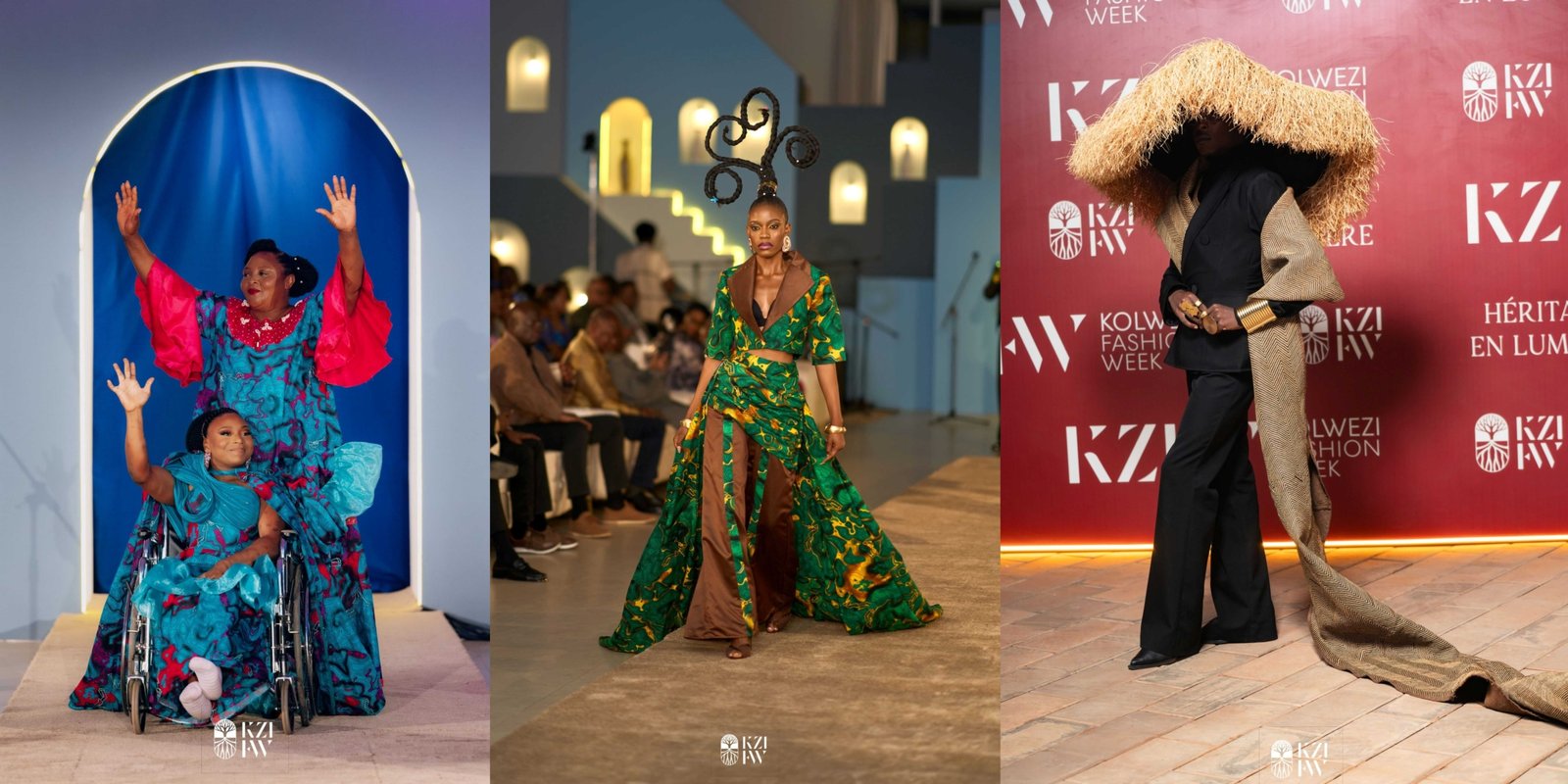

The second edition of Kolwezi Fashion Week concluded on July 5, reinforcing the city’s growing ambition to position itself as a hub for fashion, culture and entrepreneurship while supporting the Democratic Republic of Congo’s broader efforts to develop its creative economy.
Held from July 1 to July 5 under the theme Héritage en Lumière (Heritage in the Light), the five-day event showcased collections inspired by Congolese traditions, textiles and craftsmanship, highlighting cultural heritage as a living source of artistic expression, innovation and economic opportunity.
The festival took place in a city best known as the heart of the DRC’s copper-and-cobalt mining belt. As the capital of Lualaba Province, Kolwezi has long been associated with the country’s mining sector. Organizers say the fashion week is part of a broader effort to redefine the city’s image by investing in culture, creativity and entrepreneurship.
The festival featured four themes including Héritage de la Liberté [Heritage of Freedom], Héritage de la Tradition [Heritage of Tradition], Heritage sans Frontières [Heritage without Borders], and Héritage du Tissu [Heritage of the Fabric].
Each of these explored different dimensions of African identity, resilience, and cross-cultural exchange through fashion.
Bridging Runway Fashion with Local Commerce
A notable addition this year was the Fashion Village, a public space that brought together designers, artisans, visual artists, culinary experiences and live performances.
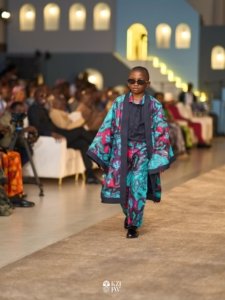
Designed to make the event more accessible, it created opportunities for local entrepreneurs and creative professionals to connect directly with residents and visitors beyond the runway shows.
Founded by Marie-Natacha Masuka, who serves as the event’s president and executive director, Kolwezi Fashion Week was launched in 2025 to redefine the image of a city internationally known for its cobalt industry.
Backed by the provincial government under Governor Fifi Masuka Saïni, the initiative seeks to showcase Kolwezi as a center for creativity, innovation and cultural entrepreneurship.
Organizers have increasingly framed the event as a platform that contributes to the diversification of the Congolese economy by strengthening the country’s cultural and creative industries, encouraging local talent and promoting intellectual property as an engine of sustainable development.
On the sidelines of the event, Minister of Culture, Arts and Heritage Yolande Elebe Ma Ndembo held a working session with Lualaba Governor Fifi Masuka Saïni focused on the development of the country’s cultural and creative industries (CCIs) and the rollout of Maisons de la culture under the Government’s Action Program.
The discussions highlighted the alignment between provincial initiatives such as Kolwezi Fashion Week and the national strategy to expand cultural infrastructure and strengthen the creative economy.
“We continue to support all initiatives that contribute to the cultural influence of our province and the promotion of Congolese talent,” Governor Masuka Saïni said.
She added that the province’s efforts align with President Félix-Antoine Tshisekedi Tshilombo’s vision of building a Democratic Republic of Congo that is proud of its identity and cultural diversity.
The minister also met with artists and cultural operators from Lualaba Province to discuss the realities facing the sector, their expectations and opportunities for strengthening cultural infrastructure and supporting creative professionals.
Her visit highlighted the government’s “Culture à 360 degrés” vision, which seeks to bring cultural policy closer to communities by recognizing each province as a driver of the country’s cultural development.