

BANGKOK
The Southern African Development Community (SADC) is calling for deeper cooperation between governments, development lenders and private investors to help finance infrastructure and industrialization across the region as fiscal constraints limit governments’ room to spend.
SADC Executive Secretary Elias Magosi said governments need predictable regulations and stronger partnerships with development finance institutions (DFIs), to turn regional priorities into projects capable of attracting private capital.
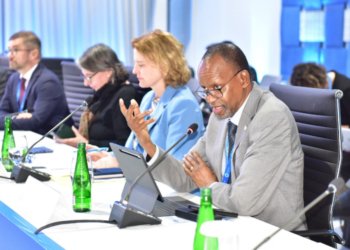
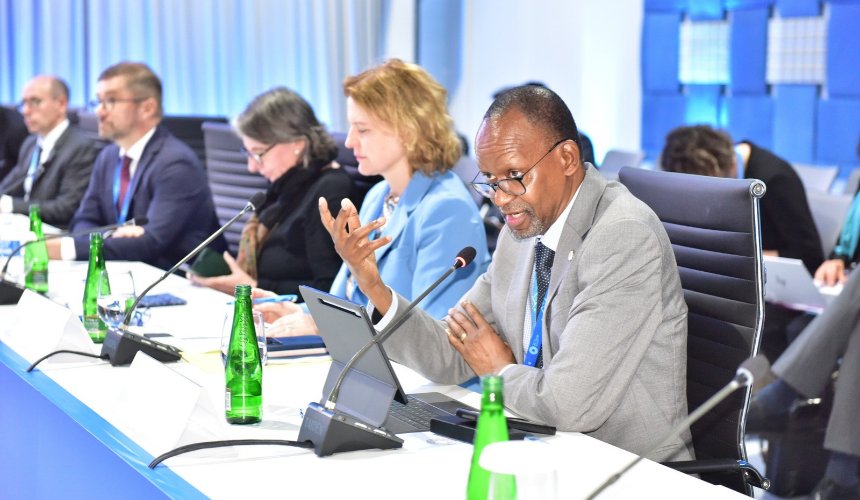
Project preparation remains a key challenge to attracting investment, Magosi said during a roundtable on mobilizing public and private capital for Africa on the sidelines of the International Monetary Fund (IMF) and World Bank annual meetings in Bangkok.
He called for the project preparation process to be shortened to between three and six months.
Development banks can help reduce investment risks through guarantees, blended finance, technical assistance and financing tailored to the needs of projects and investors, he said.
Governments, meanwhile, should establish policy and regulatory frameworks that allow development lenders to operate effectively.
The push comes as SADC seeks to attract more investment into a regional market of about 380 million consumers and accelerate economic integration through energy links, strategic transport corridors and more integrated capital markets.
Magosi also called on development lenders to support national and regional industrialization strategies, arguing that greater productive capacity would increase intra-African trade and accelerate implementation of the African Continental Free Trade Area.
While private capital will be critical, public financing remains essential and should be used to complement and mobilize private investment rather than replace it, Magosi said. Clear allocation of risk, stable policies, regulatory certainty and strong governance are necessary to attract long-term infrastructure financing, he said.
The appeal comes against a mixed economic backdrop for Africa. Sub-Saharan Africa is forecast to expand 4.5% in both 2026 and 2027, according to an IMF report published in October. Favorable export receipts in some economies and earlier policy reforms have helped cushion the region from global shocks, though economic performance varies significantly among countries.
High interest costs, low reserves in many economies and declining development aid have also reduced governments’ ability to absorb further shocks, according to the IMF. The fund said countries should continue needed fiscal adjustment while protecting productive investment, containing persistent inflation and creating conditions for private-sector growth.
Magosi said closer cooperation among African governments, European partners, development lenders and businesses will be needed to close financing gaps and transform regional development priorities into investable opportunities.
The roundtable was jointly convened by Poland’s state-owned development bank Bank Gospodarstwa Krajowego, the Joint European Financiers for International Cooperation, Italy’s Cassa Depositi e Prestiti and the Africa-Europe Foundation.