

Archaeologists have uncovered Africa’s earliest known cremation at the base of Mount Hora in northern Malawi, dating to about 9,500 years ago, according to the Department of Museums and Monuments of Malawi.
The discovery centers on the cremation of an adult woman by a hunter-gatherer community, marking the oldest confirmed evidence of intentional cremation on the continent, the department said in a social media post Friday.
Researchers say the find reshapes understanding of social organization and ritual behavior in early African societies.
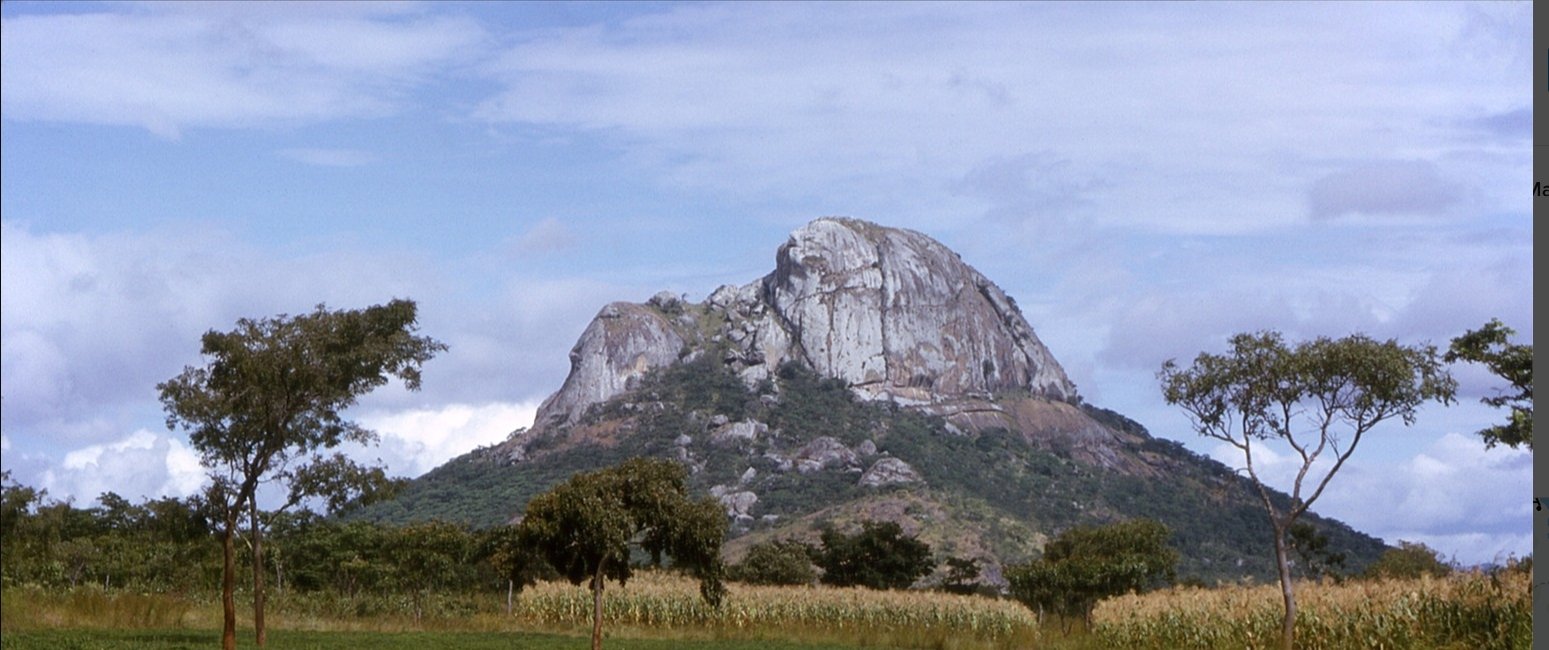
The cremation took place at a site known as Hora 1, beneath a prominent granite outcrop.
Archaeological and forensic analysis shows the woman’s body was cremated shortly after death on an open, purpose-built pyre that reached temperatures above 500 degrees Celsius.
Large quantities of fuel were gathered and actively managed during the burning, indicating a coordinated communal effort.
Researchers identified 170 highly fragmented bone remains, primarily from the arms and legs. Cut marks suggest deliberate removal of flesh, while the absence of skull and teeth fragments indicates the head was removed before the cremation.
According to the Department of Museums and Monuments, the discovery “provides rare insight into the belief systems and ritual life of early communities in Malawi, demonstrating that complex funerary practices existed long before the emergence of farming societies.”
The study was led by Jessica Thompson of Yale University, working with Malawian authorities and international researchers. The findings were published in Science Advances.
Archaeological evidence shows Hora 1 had been used as a burial ground for thousands of years, with intact burials dating between roughly 16,000 and 8,000 years ago.
The cremation stands apart as a single, distinct event. Traces of large fires at the same location both before and after the cremation suggest the site retained ritual importance over generations.
Why this individual received such treatment remains unknown. According to archaeologists, the discovery raises new questions about memory, status and social meaning in Africa’s deep past, while reinforcing Malawi’s role in understanding early human history.