

The African Continental Free Trade Area will fall short of delivering meaningful economic gains unless the private sector actively uses its trade preferences, an Economic Commission for Africa (ECA) official said during a validation workshop in Namibia on Thursday.
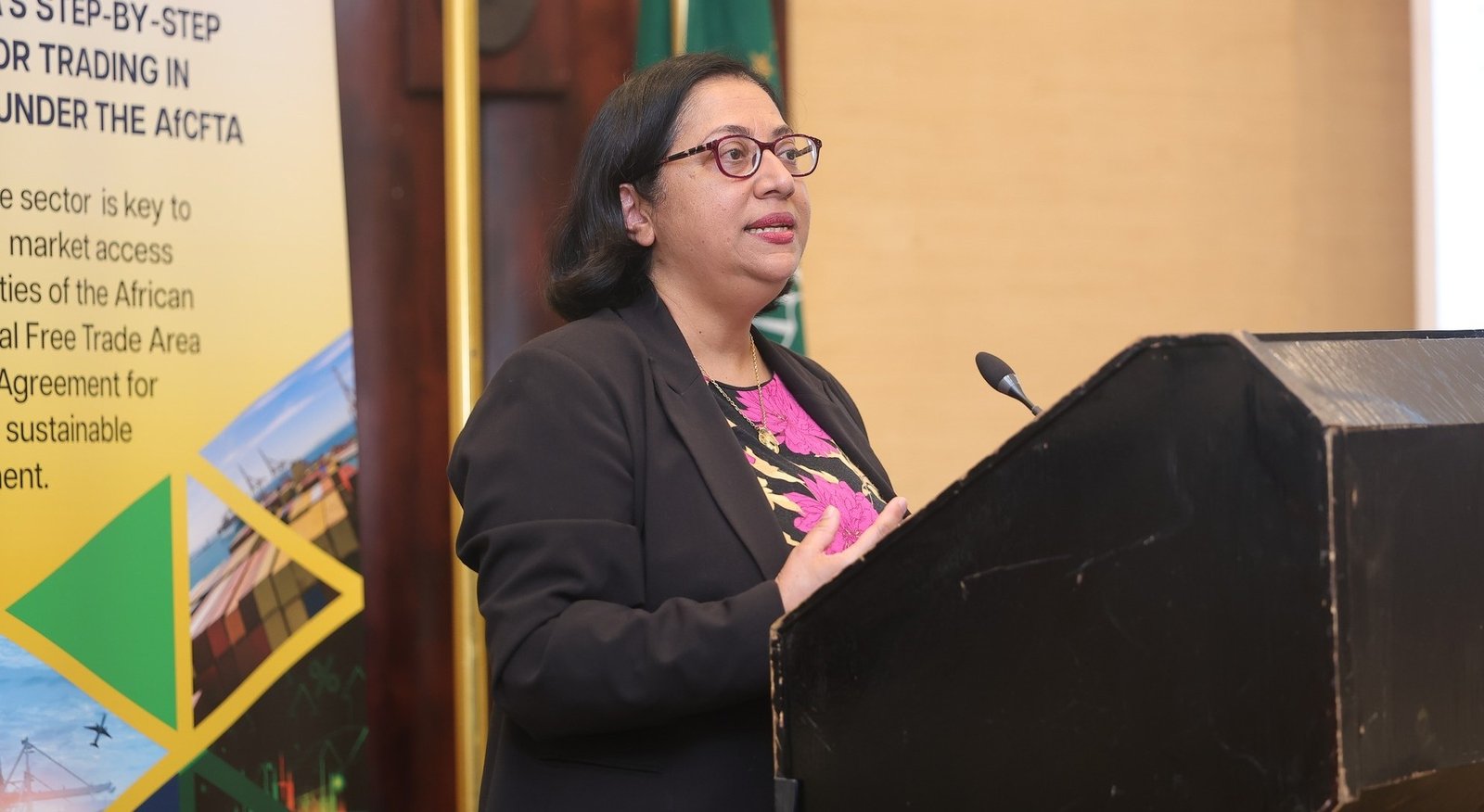
Bineswaree Bolaky, an economic affairs officer and gender focal point at the ECA’s subregional office for Southern Africa, said businesses must do more to turn Africa’s free trade commitments into economic gains.
Bolaky said the African Continental Free Trade Area (AfCFTA) includes protocols covering trade in goods and services, competition policy, investment, digital trade, and women and youth in trade.
She said the agreement’s success depends on how effectively the private sector uses trade preferences to translate commitments into real economic outcomes.
Bolaky said the ECA Subregional Office for Southern Africa advocates AfCFTA implementation alongside regional and national industrial policies, noting that countries with stronger manufacturing bases are better positioned to benefit from the agreement.
She cited 2024 figures showing that intra-African exports accounted for 16.4% of Africa’s total trade, compared with 58.6% for intra-Asian exports, reflecting higher levels of industrialization and regional value chain development in Asia.
She added that intra-African trade can serve as a lever for manufacturing development, as trade among African countries is more manufacturing-intensive than Africa’s trade with the rest of the world.
Bolaky also said Namibia is the first member state within the ECA Subregional Office for Southern Africa to validate a step-by-step guide for trading in goods under the AfCFTA, with Zambia expected to follow in 2026.