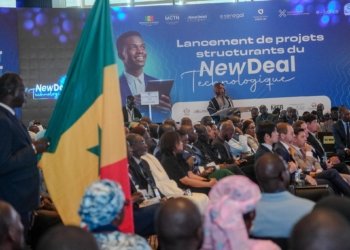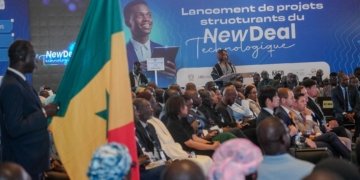

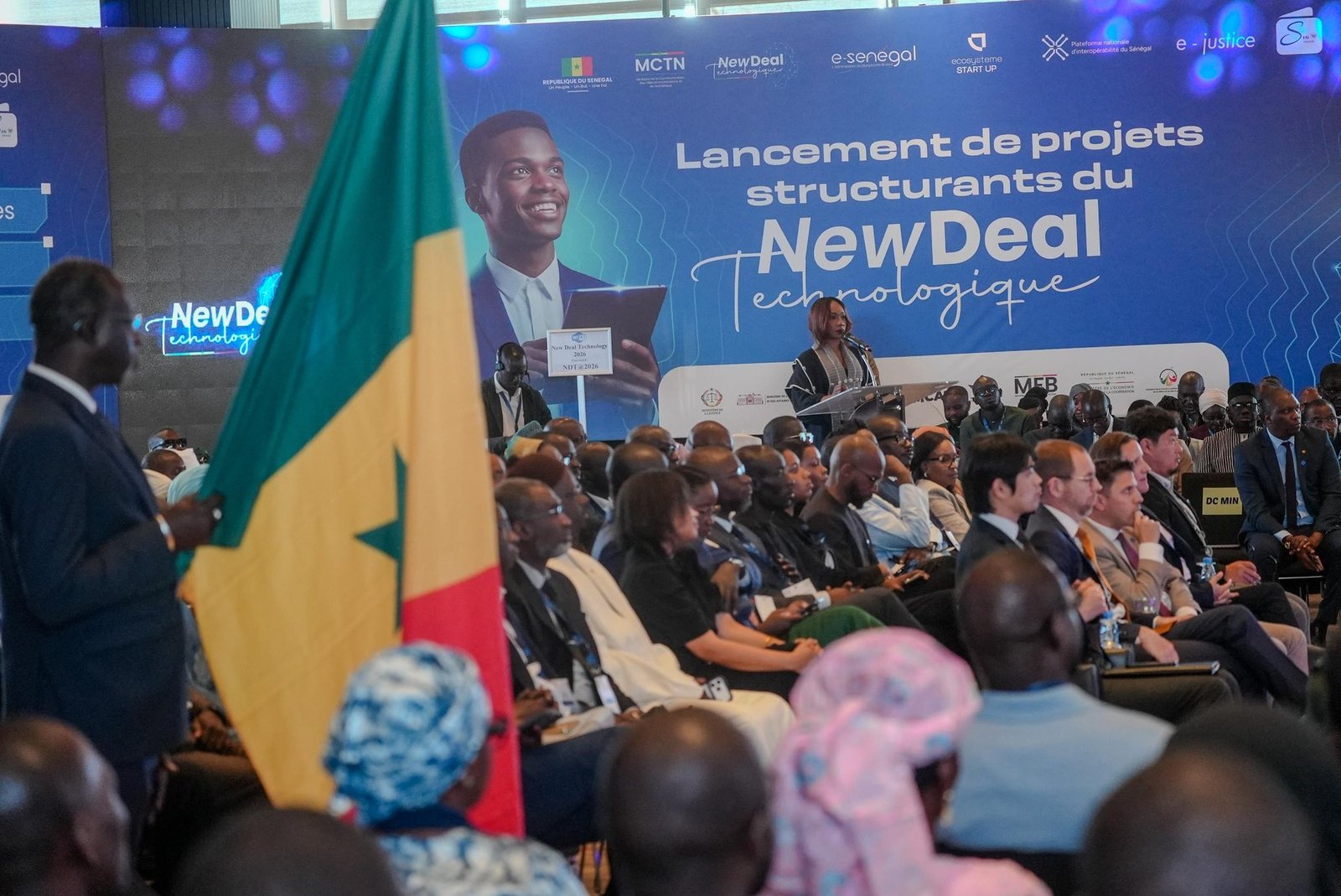

Senegal officially launched a set of structural digital projects Tuesday, with Prime Minister Ousmane Sonko presiding over a ceremony in Dakar that moved the country’s national technology program from policy into operation.
The West African country’s flagship digital projects mark the operational rollout of the New Deal Technologique, the national program launched in 2024 to modernize governance, secure data sovereignty, and accelerate the digital economy.
The centerpiece was I-Sénégal, a unified mobile platform giving citizens direct access to government documents, including criminal records, nationality certificates, and consular services.
Built on a data-sharing principle, the system eliminates the need for users to submit the same information to multiple ministries.
The launches reflect that Senegal’s New Deal Technologique, announced one year ago, is now producing deployable infrastructure rather than plans.
With the 2026 Youth Olympic Games on the horizon, the government is anchoring its digital systems as both a governance tool and an economic foundation.
A national interoperability platform connecting the ministries of Finance, Justice, and Health enables real-time data exchange between departments.
Public data is now hosted in domestic centers in Diamniadio and Orana. Government internet bandwidth has expanded from 600 megabits per second to 200 gigabits per second, with more than 50 state buildings networked.
The treasury digitalization initiative has processed 23 billion FCFA ($40.7 million) in payments over eight months through mobile money and card systems, reaching retirees and low-income workers previously cut off from physical banking infrastructure.
A $300 million fund of funds is being structured to direct private capital into Senegalese technology companies.
Labeled startups gain access to tax incentives and public procurement contracts.
A connectivity program targets more than 1 million people in areas without internet access, with free high-speed connections pledged by the end of 2026.
“It is for these citizens that we are carrying out these reforms,” Sonko told the gathering.
The initiatives form part of Vision Senegal 2050, a long-term strategy presented by President Bassirou Diomaye Faye in 2024 to modernize governance, secure national data sovereignty, and accelerate the country’s digital economy.