

Egypt is preparing to launch a second package of tax facilitations aimed at easing procedures for businesses, supporting compliant taxpayers and reinforcing efforts to restore investor confidence as economic activity shows signs of improvement.
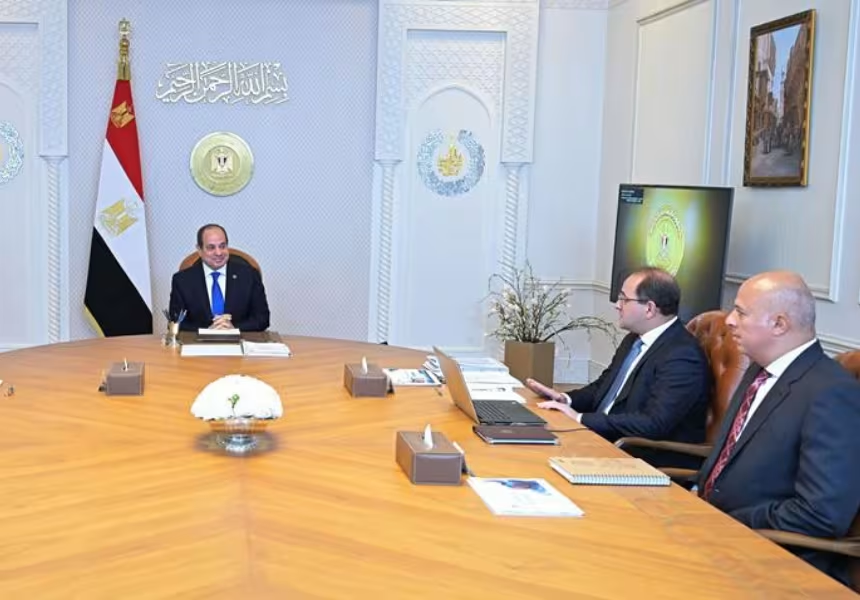
On Sunday, President Abdel Fattah El-Sisi met with Prime Minister Mostafa Madbouly and Finance Minister Ahmed Kouchouk to review new economic measures.
According to a statement from the presidency, Kouchouk said the new package is part of a broader tax facilitation strategy made up of four phases.
The first package focused on opening a new chapter with taxpayers and resolving long-standing files. The second package aims to stimulate voluntary compliance while simplifying procedures and expanding automation. The remaining two packages will continue efforts to widen the tax base and strengthen future compliance measures.
Kouchouk said the new phase builds on the outcomes of the first, which prompted 650,000 taxpayers to submit new or amended returns and helped close 400,000 old tax files voluntarily.
The second package focuses on improving the efficiency of the value added tax refund system, creating premium service centers for taxpayers and offering incentives designed to strengthen voluntary compliance.
The statement said the initiative is part of a broader trust partnership with the business community that aims to simplify procedures, expand automation and provide clearer guarantees to taxpayers.
It also outlined property tax reforms under preparation. Planned measures include simpler tax returns, a longer seven year assessment and collection period, higher exemption thresholds for private residences and a cap on late fees that cannot exceed the original tax amount.
Officials said the changes are intended to reduce burdens on citizens and businesses while supporting digital transformation across the tax system.
A parallel customs development plan is being advanced with the Ministry of Investment and Foreign Trade. Priorities include reducing release times, expanding pre clearance procedures, increasing electronic payments and strengthening inspections to limit smuggling.
Kouchouk said private investments rose 73 percent in the last fiscal year, reflecting renewed confidence in Egypt’s investment climate.
He added that major deals such as the Ras El Hekma and Alam El Roum projects reflect strong private sector engagement as the government works to lower the debt to GDP ratio and expand spending on human development and social protection.