

Ghana plans to finance its cocoa purchases in local currency and end exports of unprocessed mineral ores by 2030, President John Mahama said at a high-level African Union gathering in Addis Ababa.
“I say by 2030, there won’t be any raw mineral ores leaving Ghana,” Mahama said at a side event during the 39th African Union Summit on Sunday. “You must process all that locally.”
The measures reflect a push to expand domestic processing in two of the country’s most strategic sectors and reduce reliance on foreign-backed financing.
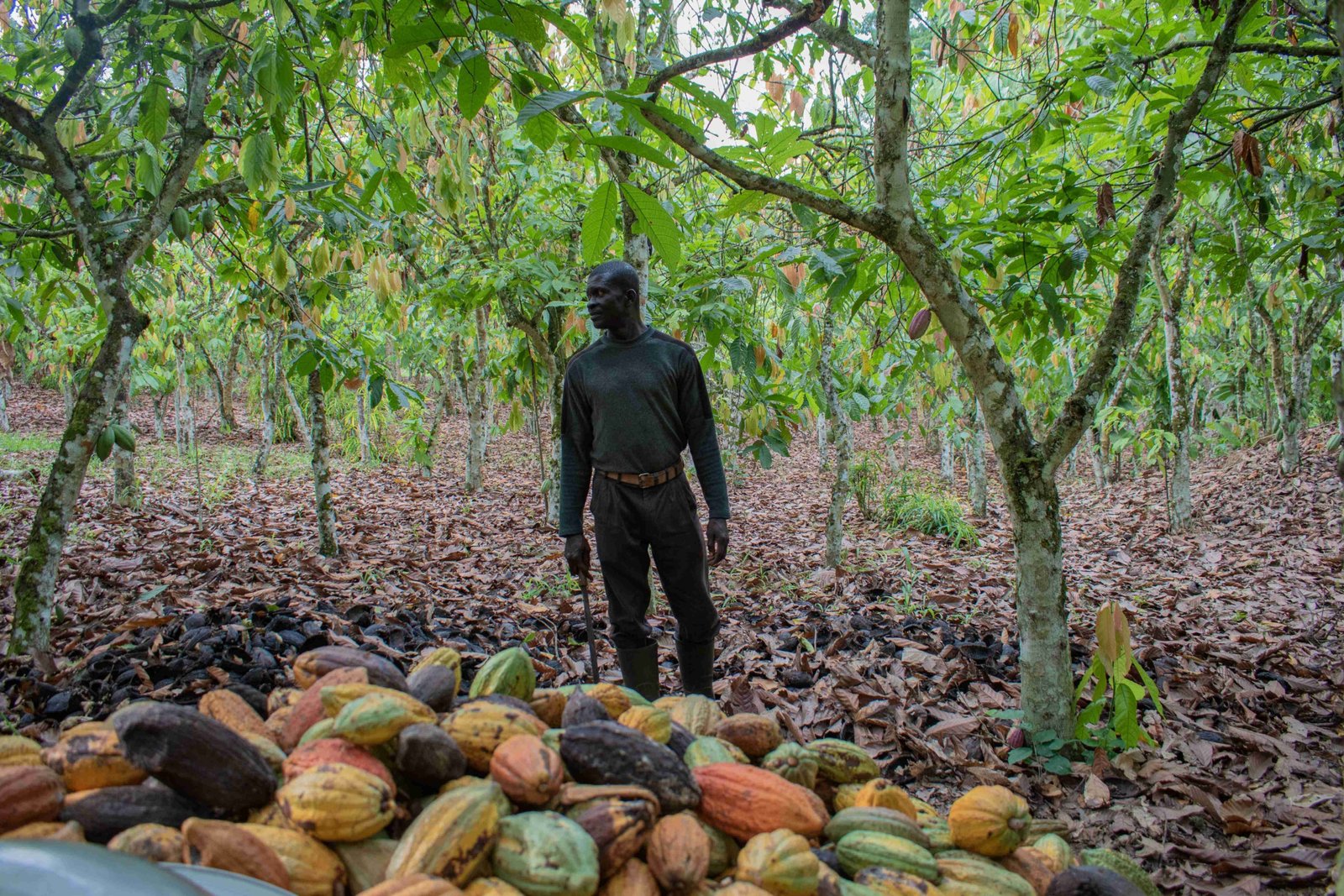
Ghana, the world’s second-largest cocoa producer, accounts for about 25% of global output. Alongside neighboring Côte d’Ivoire, it supplies the majority of the world’s cocoa.
Mahama said Ghana will stop relying on foreign syndicated loans traditionally used to purchase cocoa.
Instead, the government plans to issue domestic bonds in Ghanaian cedis to pay farmers directly.
The shift is aimed at reducing exposure to exchange-rate volatility and freeing up more cocoa for local processors.
Foreign loans backed by cocoa exports have long provided seasonal financing for Ghana’s cocoa board, but collateral requirements have limited volumes available for domestic processing.
Ghana has the capacity to process about 400,000 tons of cocoa locally each year, Mahama said.
Market Volatility Has Added Strain
Ghana set producer prices when cocoa traded near $7,200 per ton and the cedi stood at about 11.5 to the dollar.
Prices later fell to around $4,200 while the currency strengthened, squeezing margins.
Mahama also pledged to end exports of raw manganese, bauxite and iron ore by 2030, saying local processing would expand industrial activity, boost export earnings from finished products and support job creation.