


Bantu Gazette

Bantu Gazette
  • Energy & Trade
  • Finance
  • Health
  • Politics & Economy
  • Technology
  • Environment
  • Feature
  • Opinion
  • Changemakers
  • Tourism & Culture
  • Sports
  • Magazine
Menu
  • Black Frame Studio
  • Magazine

Training Expands Poultry Support Network in Zambia

Field officers trained in disease detection, farm management and digital data systems as poultry programs scale across three provinces

Training Expands Poultry Support Network in Zambia

African Poultry Multiplication Initiative (APMI) Training

Felix Tihby Felix Tih
March 11, 2026
Reading Time: 3 mins read

Training Expands Poultry Support Network in Zambia

Field officers trained in disease detection, farm management and digital data systems as poultry programs scale across three provinces

Training Expands Poultry Support Network in Zambia

African Poultry Multiplication Initiative (APMI) Training

Training Expands Poultry Support Network in Zambia

African Poultry Multiplication Initiative (APMI) Training

Felix Tihby Felix Tih
May 20, 2026
Reading Time: 3 mins read

A new round of field training in Zambia is strengthening the frontline workforce supporting small-scale poultry farmers as agricultural programs expand across the country.

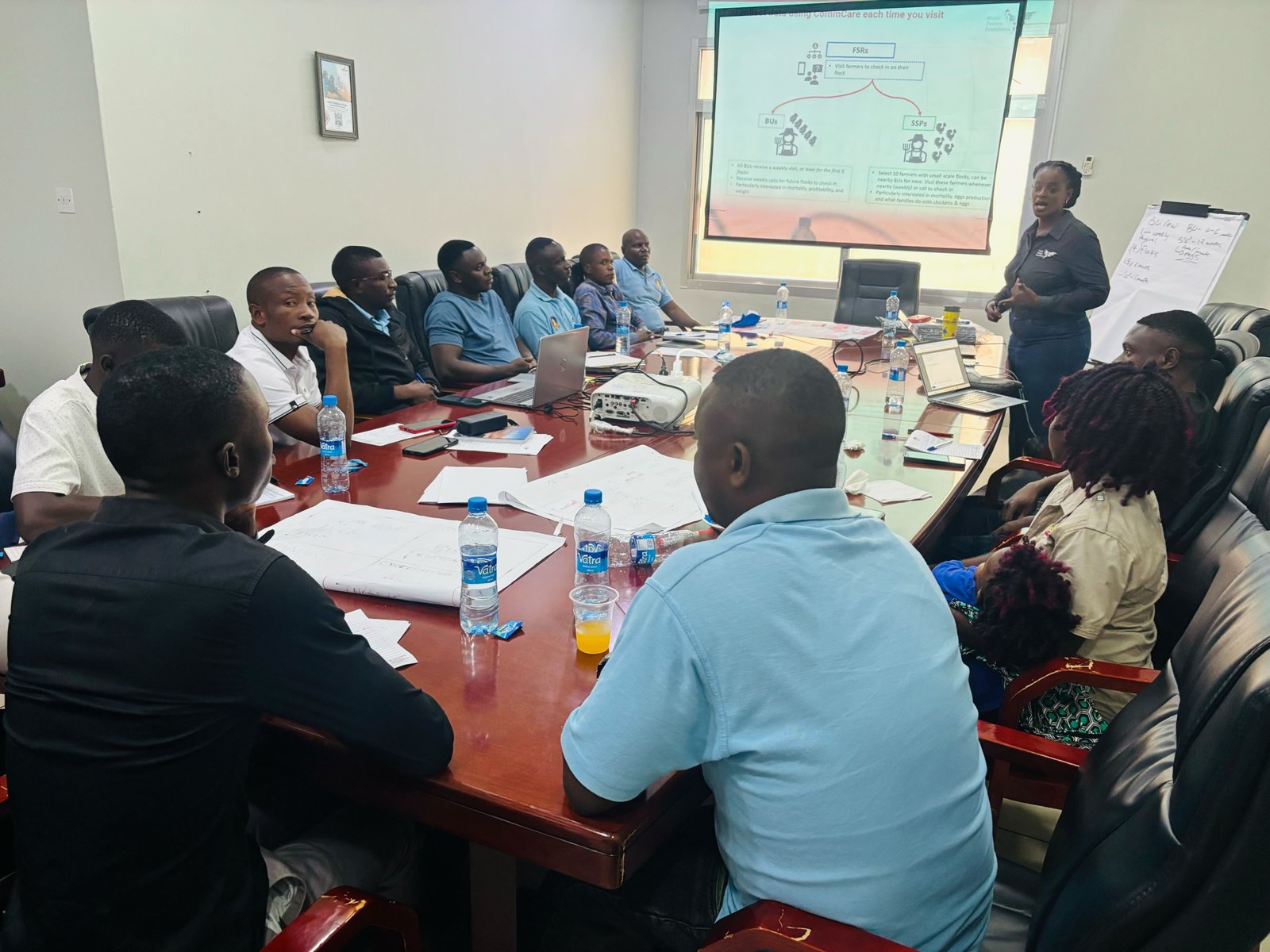
The five-day training, held Feb. 16-20, brought together 11 Field Service Representatives from Muchinga, Eastern and Southern provinces.

The session focused on poultry health management, farm advisory services and digital data collection tools used to monitor farmer performance.

Organized by the World Poultry Foundation as part of the African Poultry Multiplication Initiative (APMI), the program prepares field officers to support small-scale farmers raising dual-purpose poultry through structured poultry production networks.

Field officers provide technical guidance, monitor flock health and collect production data used by companies and partners to track program outcomes.

The initiative aims to strengthen poultry value chains while improving rural incomes and nutrition through small-scale livestock production.

Training sessions combined classroom instruction with practical exercises, including a poultry postmortem demonstration that allowed participants to study common poultry diseases and learn early detection methods.

Patrick Bwalya, a Field Service Representative from Eastern Province, said the hands-on sessions helped translate theory into field practice.

“One of the practical skills obtained was participating in a real chicken postmortem exercise,” Bwalya said. “We learned about diseases such as Gumboro, Newcastle and Coccidiosis. This helps us understand early signs and know when to seek professional veterinary support.”
African Poultry Multiplication Initiative (APMI)

Participants also reviewed poultry management practices that influence productivity, including feeding schedules, vaccination planning and farm biosecurity.

Dennis Sakala, an APMI manager at Hybrid Poultry, said the training emphasized recognizing disease symptoms early and applying management practices that reduce the spread of infection across flocks.

For program leaders, training remains central to strengthening small-scale poultry systems across Africa.

“Training has always been at the heart of every program we invest in and is central to our organizational strategy,” said Maureen Stickel, Vice President of Innovation and Initiatives at the World Poultry Foundation.

“Through the African Poultry Multiplication Initiative we have built a comprehensive training library that covers all aspects of poultry care and farm management tailored to the farmers we serve,” she said.

Beyond animal health, the program also addressed the economic and social context in which many farmers operate.

Field officers discussed strategies to engage rural households and encourage farmers to view poultry production as a source of both income and nutrition.

Chicken meat and eggs provide accessible sources of protein for rural families while offering opportunities for market sales.

“Ultimately, we want farmers to have the knowledge and confidence they need to thrive and to see poultry as a reliable pathway to improved income, nutrition and resilience,” Stickel said.

Digital data collection formed another core component of the training.
African Poultry Multiplication Initiative (APMI)

Participants learned how to record farmer details, flock performance and vaccination schedules using the CommCare mobile platform, which allows program managers to track farm conditions and identify emerging problems.

Sakala said the training also stressed professional conduct during farm visits, including gaining consent from farmers and ensuring that the information collected reflects the experience of the person directly responsible for the flock.

Accurate field reporting plays a central role in how poultry programs evaluate progress and allocate resources.

“Strengthening data integrity and field-level systems is central to our strategy because sustainable poultry value chains depend on farmers getting the right support at the right time,” Stickel said.

“Tracking farmer challenges and flock performance allows teams in the field and program partners to respond more precisely and strengthen the entire system,” she added.

Training coordinator Evelyn Tatenda Kamba said the program uses a combination of classroom instruction, coaching and online learning tools to strengthen field teams’ knowledge of poultry production systems.

The February training served both as an onboarding session for new field officers and as a refresher for experienced staff working within the program.

Across many rural areas, field officers remain the primary point of contact for small-scale poultry producers seeking technical advice or assistance during disease outbreaks.

Their role links farmers to veterinary expertise, production guidance and market networks.

As poultry initiatives expand across multiple provinces, program leaders say strengthening these frontline teams remains essential to maintaining productive and resilient poultry value chains.


Get the inside Story

Stay informed on the stories shaping Africa’s future. Get breaking news, in-depth analysis, opinions and exclusive insights from across the continent delivered to your inbox, free and unfiltered.


Get in touch for more:
Felix Tih
Editorial Director, Bantu Gazette
WhatsApp
LinkedIn
X (Twitter)
Instagram

Related Posts

Ghana Battles to Save Cocoa Industry as Production Falls to 20-Year Low
Agriculture & Trade

Ghana Launches AgriConnect Compact to Boost Food Security, Jobs, Agricultural Investment

June 6, 2026
Benin Announces Free Public Secondary Education for All Girls
Changemakers

Benin Announces Free Public Secondary Education for All Girls

June 8, 2026
Dangote Retains Africa’s Most Admired Brand Title for 8th Consecutive Year
Changemakers

Dangote Retains Africa’s Most Admired Brand Title for 8th Consecutive Year

June 4, 2026
Research Finds Consumer Demand, Not Herd Size, Drives African Dairy Development
Agriculture & Trade

Research Finds Consumer Demand, Not Herd Size, Drives African Dairy Development

June 6, 2026
Nigeria Backs Togo’s Leadership on African Free Trade at Lomé Forum
Agriculture & Trade

Nigeria Backs Togo’s Leadership on African Free Trade at Lomé Forum

May 22, 2026
Africa’s Free Trade Secretariat, ITC Renew Partnership to Expand Markets for Small Businesses
Agriculture & Trade

Africa’s Free Trade Secretariat, ITC Renew Partnership to Expand Markets for Small Businesses

May 20, 2026

Most Recent

Burkina Faso Patriotic Fund Raises $828 million in 3 Years, Surpassing Target
Politics & Economy

Burkina Faso PM Calls for Results-Driven Implementation of 2026-2030 Development Strategy

by Marina Bisse
June 9, 2026
0

Prime Minister cites economic gains in 2025 and urges officials to accelerate reforms, investment projects and domestic resource mobilization

Read moreDetails
New Botswana City Project Launched to Support Economic Diversification

New Botswana City Project Launched to Support Economic Diversification

June 8, 2026
Kenya’s Ebola Preparedness Highlights the Need for a Clear Framework

Kenya’s Ebola Preparedness Highlights the Need for a Clear Framework

June 8, 2026
Côte d’Ivoire Secures €103 Million to Expand Electricity Access to 100,000 Households

Côte d’Ivoire Secures €103 Million to Expand Electricity Access to 100,000 Households

June 6, 2026
Ghana Battles to Save Cocoa Industry as Production Falls to 20-Year Low

Ghana Launches AgriConnect Compact to Boost Food Security, Jobs, Agricultural Investment

June 6, 2026
Benin Announces Free Public Secondary Education for All Girls

Benin Announces Free Public Secondary Education for All Girls

June 8, 2026
Zimbabwe Secures Non-Permanent Seat on U.N. Security Council

Zimbabwe Secures Non-Permanent Seat on U.N. Security Council

June 3, 2026
Burkina Faso Patriotic Fund Raises $828 million in 3 Years, Surpassing Target
Politics & Economy

Burkina Faso PM Calls for Results-Driven Implementation of 2026-2030 Development Strategy

by Marina Bisse
Reading Time: 2 mins read
June 9, 2026
0

Prime Minister cites economic gains in 2025 and urges officials to accelerate reforms, investment projects and domestic resource mobilization

Read moreDetails
New Botswana City Project Launched to Support Economic Diversification
Politics & Economy

New Botswana City Project Launched to Support Economic Diversification

by Naledi Kgosi
Reading Time: 2 mins read
June 8, 2026
0

GABORONE Botswana has launched the New Botswana City project in Gaborone, a development expected to attract investment, create jobs and...

Read moreDetails
Kenya’s Ebola Preparedness Highlights the Need for a Clear Framework
Health

Kenya’s Ebola Preparedness Highlights the Need for a Clear Framework

by Joyce Waceke
Reading Time: 4 mins read
June 8, 2026
0

An active Ebola outbreak in Uganda and the Democratic Republic of Congo has tested Kenya's public health preparedness and exposed...

Read moreDetails

Training Expands Poultry Support Network in Zambia

Field officers trained in disease detection, farm management and digital data systems as poultry programs scale across three provinces

Training Expands Poultry Support Network in Zambia

African Poultry Multiplication Initiative (APMI) Training

A new round of field training in Zambia is strengthening the frontline workforce supporting small-scale poultry farmers as agricultural programs expand across the country.

The five-day training, held Feb. 16-20, brought together 11 Field Service Representatives from Muchinga, Eastern and Southern provinces.

The session focused on poultry health management, farm advisory services and digital data collection tools used to monitor farmer performance.

Organized by the World Poultry Foundation as part of the African Poultry Multiplication Initiative (APMI), the program prepares field officers to support small-scale farmers raising dual-purpose poultry through structured poultry production networks.

Field officers provide technical guidance, monitor flock health and collect production data used by companies and partners to track program outcomes.

The initiative aims to strengthen poultry value chains while improving rural incomes and nutrition through small-scale livestock production.

Training sessions combined classroom instruction with practical exercises, including a poultry postmortem demonstration that allowed participants to study common poultry diseases and learn early detection methods.

Patrick Bwalya, a Field Service Representative from Eastern Province, said the hands-on sessions helped translate theory into field practice.

“One of the practical skills obtained was participating in a real chicken postmortem exercise,” Bwalya said. “We learned about diseases such as Gumboro, Newcastle and Coccidiosis. This helps us understand early signs and know when to seek professional veterinary support.”

African Poultry Multiplication Initiative (APMI)

Participants also reviewed poultry management practices that influence productivity, including feeding schedules, vaccination planning and farm biosecurity.

Dennis Sakala, an APMI manager at Hybrid Poultry, said the training emphasized recognizing disease symptoms early and applying management practices that reduce the spread of infection across flocks.

For program leaders, training remains central to strengthening small-scale poultry systems across Africa.

“Training has always been at the heart of every program we invest in and is central to our organizational strategy,” said Maureen Stickel, Vice President of Innovation and Initiatives at the World Poultry Foundation.

“Through the African Poultry Multiplication Initiative we have built a comprehensive training library that covers all aspects of poultry care and farm management tailored to the farmers we serve,” she said.

Beyond animal health, the program also addressed the economic and social context in which many farmers operate.

Field officers discussed strategies to engage rural households and encourage farmers to view poultry production as a source of both income and nutrition.

Chicken meat and eggs provide accessible sources of protein for rural families while offering opportunities for market sales.

“Ultimately, we want farmers to have the knowledge and confidence they need to thrive and to see poultry as a reliable pathway to improved income, nutrition and resilience,” Stickel said.

Digital data collection formed another core component of the training.

African Poultry Multiplication Initiative (APMI)

Participants learned how to record farmer details, flock performance and vaccination schedules using the CommCare mobile platform, which allows program managers to track farm conditions and identify emerging problems.

Sakala said the training also stressed professional conduct during farm visits, including gaining consent from farmers and ensuring that the information collected reflects the experience of the person directly responsible for the flock.

Accurate field reporting plays a central role in how poultry programs evaluate progress and allocate resources.

“Strengthening data integrity and field-level systems is central to our strategy because sustainable poultry value chains depend on farmers getting the right support at the right time,” Stickel said.

“Tracking farmer challenges and flock performance allows teams in the field and program partners to respond more precisely and strengthen the entire system,” she added.

Training coordinator Evelyn Tatenda Kamba said the program uses a combination of classroom instruction, coaching and online learning tools to strengthen field teams’ knowledge of poultry production systems.

The February training served both as an onboarding session for new field officers and as a refresher for experienced staff working within the program.

Across many rural areas, field officers remain the primary point of contact for small-scale poultry producers seeking technical advice or assistance during disease outbreaks.

Their role links farmers to veterinary expertise, production guidance and market networks.

As poultry initiatives expand across multiple provinces, program leaders say strengthening these frontline teams remains essential to maintaining productive and resilient poultry value chains.

Training Expands Poultry Support Network in Zambia

Field officers trained in disease detection, farm management and digital data systems as poultry programs scale across three provinces

Training Expands Poultry Support Network in Zambia

African Poultry Multiplication Initiative (APMI) Training

Felix Tihby Felix Tih
March 11, 2026

A new round of field training in Zambia is strengthening the frontline workforce supporting small-scale poultry farmers as agricultural programs expand across the country.

The five-day training, held Feb. 16-20, brought together 11 Field Service Representatives from Muchinga, Eastern and Southern provinces.

The session focused on poultry health management, farm advisory services and digital data collection tools used to monitor farmer performance.

Organized by the World Poultry Foundation as part of the African Poultry Multiplication Initiative (APMI), the program prepares field officers to support small-scale farmers raising dual-purpose poultry through structured poultry production networks.

Field officers provide technical guidance, monitor flock health and collect production data used by companies and partners to track program outcomes.

The initiative aims to strengthen poultry value chains while improving rural incomes and nutrition through small-scale livestock production.

Training sessions combined classroom instruction with practical exercises, including a poultry postmortem demonstration that allowed participants to study common poultry diseases and learn early detection methods.

Patrick Bwalya, a Field Service Representative from Eastern Province, said the hands-on sessions helped translate theory into field practice.

“One of the practical skills obtained was participating in a real chicken postmortem exercise,” Bwalya said. “We learned about diseases such as Gumboro, Newcastle and Coccidiosis. This helps us understand early signs and know when to seek professional veterinary support.”

African Poultry Multiplication Initiative (APMI)

Participants also reviewed poultry management practices that influence productivity, including feeding schedules, vaccination planning and farm biosecurity.

Dennis Sakala, an APMI manager at Hybrid Poultry, said the training emphasized recognizing disease symptoms early and applying management practices that reduce the spread of infection across flocks.

For program leaders, training remains central to strengthening small-scale poultry systems across Africa.

“Training has always been at the heart of every program we invest in and is central to our organizational strategy,” said Maureen Stickel, Vice President of Innovation and Initiatives at the World Poultry Foundation.

“Through the African Poultry Multiplication Initiative we have built a comprehensive training library that covers all aspects of poultry care and farm management tailored to the farmers we serve,” she said.

Beyond animal health, the program also addressed the economic and social context in which many farmers operate.

Field officers discussed strategies to engage rural households and encourage farmers to view poultry production as a source of both income and nutrition.

Chicken meat and eggs provide accessible sources of protein for rural families while offering opportunities for market sales.

“Ultimately, we want farmers to have the knowledge and confidence they need to thrive and to see poultry as a reliable pathway to improved income, nutrition and resilience,” Stickel said.

Digital data collection formed another core component of the training.

African Poultry Multiplication Initiative (APMI)

Participants learned how to record farmer details, flock performance and vaccination schedules using the CommCare mobile platform, which allows program managers to track farm conditions and identify emerging problems.

Sakala said the training also stressed professional conduct during farm visits, including gaining consent from farmers and ensuring that the information collected reflects the experience of the person directly responsible for the flock.

Accurate field reporting plays a central role in how poultry programs evaluate progress and allocate resources.

“Strengthening data integrity and field-level systems is central to our strategy because sustainable poultry value chains depend on farmers getting the right support at the right time,” Stickel said.

“Tracking farmer challenges and flock performance allows teams in the field and program partners to respond more precisely and strengthen the entire system,” she added.

Training coordinator Evelyn Tatenda Kamba said the program uses a combination of classroom instruction, coaching and online learning tools to strengthen field teams’ knowledge of poultry production systems.

The February training served both as an onboarding session for new field officers and as a refresher for experienced staff working within the program.

Across many rural areas, field officers remain the primary point of contact for small-scale poultry producers seeking technical advice or assistance during disease outbreaks.

Their role links farmers to veterinary expertise, production guidance and market networks.

As poultry initiatives expand across multiple provinces, program leaders say strengthening these frontline teams remains essential to maintaining productive and resilient poultry value chains.

Get the inside Story

Stay informed on the stories shaping Africa’s future. Get breaking news, in-depth analysis, opinions and exclusive insights from across the continent delivered to your inbox, free and unfiltered.


Get in touch for more:
Felix Tih
Editorial Director, Bantu Gazette
WhatsApp
LinkedIn
X (Twitter)
Instagram

Related Posts

Ghana Battles to Save Cocoa Industry as Production Falls to 20-Year Low

Ghana Launches AgriConnect Compact to Boost Food Security, Jobs, Agricultural Investment

by Marina Bisse
June 6, 2026
0

...

Benin Announces Free Public Secondary Education for All Girls

Benin Announces Free Public Secondary Education for All Girls

by Aissatou Fall
June 4, 2026
0

...

Dangote Retains Africa’s Most Admired Brand Title for 8th Consecutive Year

Dangote Retains Africa’s Most Admired Brand Title for 8th Consecutive Year

by Aissatou Fall
June 3, 2026
0

...

Research Finds Consumer Demand, Not Herd Size, Drives African Dairy Development

Research Finds Consumer Demand, Not Herd Size, Drives African Dairy Development

by Marina Bisse
June 3, 2026
0

...

Nigeria Backs Togo’s Leadership on African Free Trade at Lomé Forum

Nigeria Backs Togo’s Leadership on African Free Trade at Lomé Forum

by Nora Tabe
May 20, 2026
0

...

Africa’s Free Trade Secretariat, ITC Renew Partnership to Expand Markets for Small Businesses

Africa’s Free Trade Secretariat, ITC Renew Partnership to Expand Markets for Small Businesses

by Felix Tih
May 20, 2026
0

...

Burkina Faso Patriotic Fund Raises $828 million in 3 Years, Surpassing Target
Politics & Economy

Burkina Faso PM Calls for Results-Driven Implementation of 2026-2030 Development Strategy

by Marina Bisse
Reading Time: 2 mins read
June 9, 2026
0

Prime Minister cites economic gains in 2025 and urges officials to accelerate reforms, investment projects and domestic resource mobilization

Read moreDetails
New Botswana City Project Launched to Support Economic Diversification

New Botswana City Project Launched to Support Economic Diversification

by Naledi Kgosi
June 8, 2026
0

GABORONE Botswana has launched the New Botswana City project in Gaborone, a development expected to attract investment, create jobs and...

Kenya’s Ebola Preparedness Highlights the Need for a Clear Framework

Kenya’s Ebola Preparedness Highlights the Need for a Clear Framework

by Joyce Waceke
June 8, 2026
0

An active Ebola outbreak in Uganda and the Democratic Republic of Congo has tested Kenya's public health preparedness and exposed...

Côte d’Ivoire Secures €103 Million to Expand Electricity Access to 100,000 Households

Côte d’Ivoire Secures €103 Million to Expand Electricity Access to 100,000 Households

by Seraphine Biyogo
June 6, 2026
0

African Development Bank approves financing for the second phase of a national electrification project aimed at expanding grid connections, upgrading...

Ghana Battles to Save Cocoa Industry as Production Falls to 20-Year Low

Ghana Launches AgriConnect Compact to Boost Food Security, Jobs, Agricultural Investment

by Marina Bisse
June 6, 2026
0

A $3.5 billion agricultural initiative backed by the World Bank Group and development partners aims to strengthen food security, create...

Next Post
Rwanda Positions Kigali Financial Centre as Africa’s Investment Gateway

Rwanda Positions Kigali Financial Centre as Africa's Investment Gateway

Nigeria Approves First National Policy on Cosmetics Safety

Nigeria Approves First National Policy on Cosmetics Safety

Mozambique Launches $28 Million Recovery Project in Conflict-Hit North

Mozambique Launches $28 Million Recovery Project in Conflict-Hit North

Côte d’Ivoire Receives Sacred Drum Seized During Colonial Rule

Côte d'Ivoire Receives Sacred Drum Seized During Colonial Rule

Bantu Gazette is a pioneering news platform that champions Africa's development, culture, and heritage. We spotlight the continent's successes, address its challenges, and provide insightful coverage of events that shape its future.

Bantu Gazette is a pioneering news platform that champions Africa's development, culture, and heritage. We spotlight the continent's successes, address its challenges, and provide insightful coverage of events that shape its future.

Our Platforms

  • Bantu Magazine
  • Bantu Brief
  • Black Frame Studio

Our Services

  • Bantu Agency
  • Advertise
  • Partnerships

Our Services

  • Editorial Director
  • Opportunities
  • Contact

Bantu Gazette is a pioneering news platform that champions Africa's development, culture, and heritage. We spotlight the continent's successes, address its challenges, and provide insightful coverage of events that shape its future.

Our Platforms

  • Bantu Magazine
  • Bantu Brief
  • Black Frame Studio

Our Services

  • Bantu Agency
  • Advertise
  • Partnerships

Our Services

  • Editorial Director
  • Opportunities
  • Contact
Bantu Gazette
  • Energy & Trade
  • Finance
  • Health
  • Politics & Economy
  • Technology
  • Environment
  • Feature
  • Opinion
  • Changemakers
  • Tourism & Culture
  • Magazine