

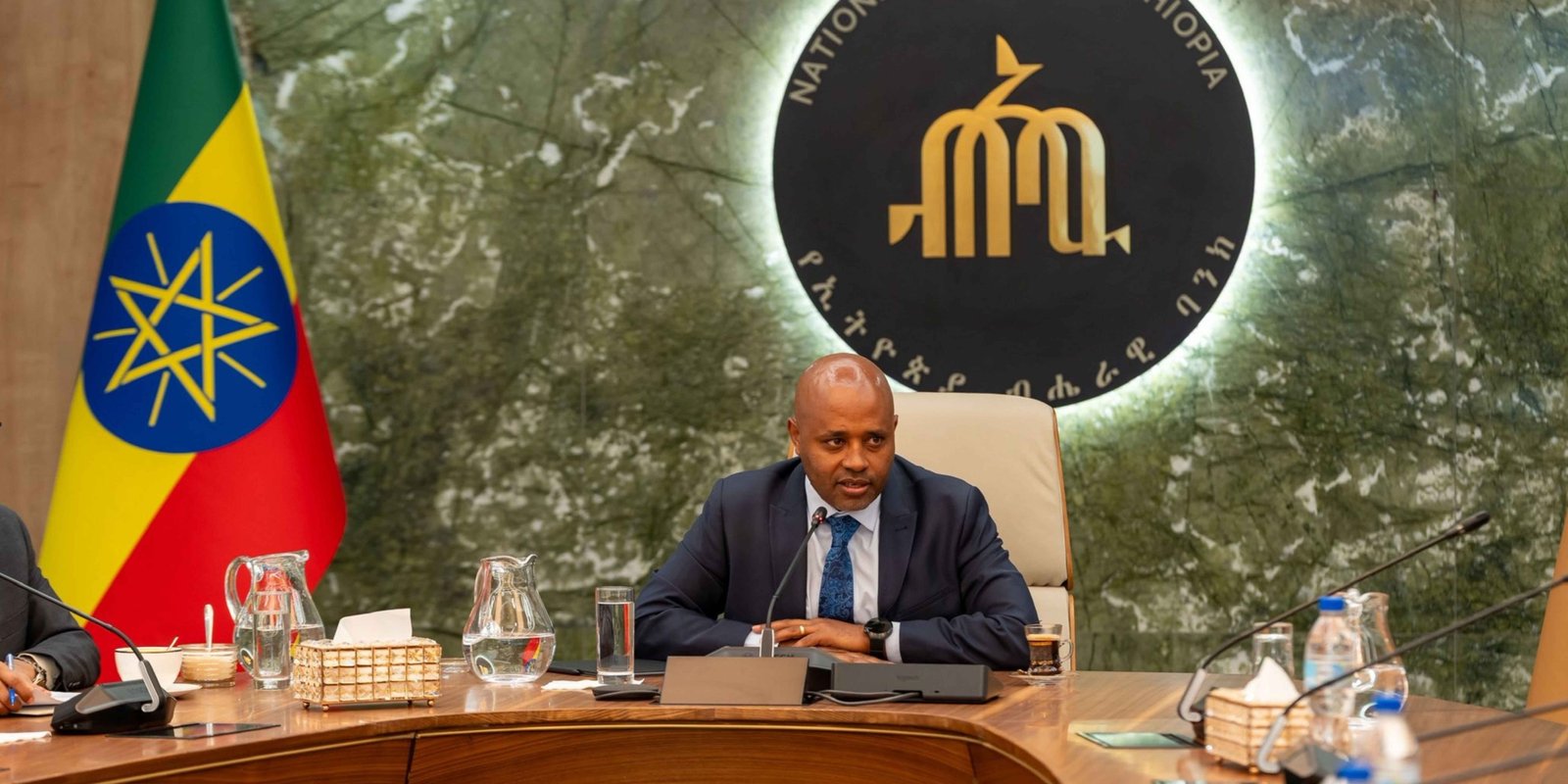

Ethiopia’s banking sector showed improved resilience and stronger financial indicators over the past fiscal year, the National Bank of Ethiopia said Tuesday, as reforms begin to open the system to foreign participation.
In its third Financial Stability Report, the central bank said capital adequacy, asset quality, liquidity and profitability all improved, with the sector remaining stable, resilient and low risk despite a challenging global environment.
Capital adequacy rose well above regulatory requirements, while nonperforming loans declined to their lowest level in five years.
Stress tests covering credit, liquidity and foreign exchange risks indicated banks are well positioned to absorb plausible shocks, with systemic risk remaining contained.
The report comes as Ethiopia advances financial sector reforms, including allowing foreign investment in banking and easing foreign exchange restrictions.
Authorities said the outlook remains positive, supported by expectations of continued economic growth, easing inflation and rising foreign exchange earnings.
The central bank, however, flagged structural vulnerabilities, particularly the high concentration of assets in a single institution, which warrants continued monitoring.
It also highlighted risks linked to rapid digital financial expansion. Transaction values have surged, supporting financial inclusion, but increasing exposure to operational, cyber and fraud-related risks.
The bank said strengthening technological infrastructure and risk management frameworks is becoming increasingly important.
Beyond banking, the report found that microfinance institutions, insurance companies and capital market developments continue to support overall financial stability.
Ethiopia’s broader macroeconomic environment also improved during the review period, with stronger growth, declining inflation and better fiscal performance helping reduce vulnerabilities.
The central bank said maintaining reform momentum will be critical to sustaining stability as the country transitions toward a more open and competitive financial system.