

KIGALI
Rwanda marked the 32nd anniversary of Liberation Day on Saturday with commemorations across the country as President Paul Kagame warned that the ideology behind the 1994 Genocide against the Tutsi remains a regional threat, while government officials highlighted more than three decades of economic and social progress since liberation.
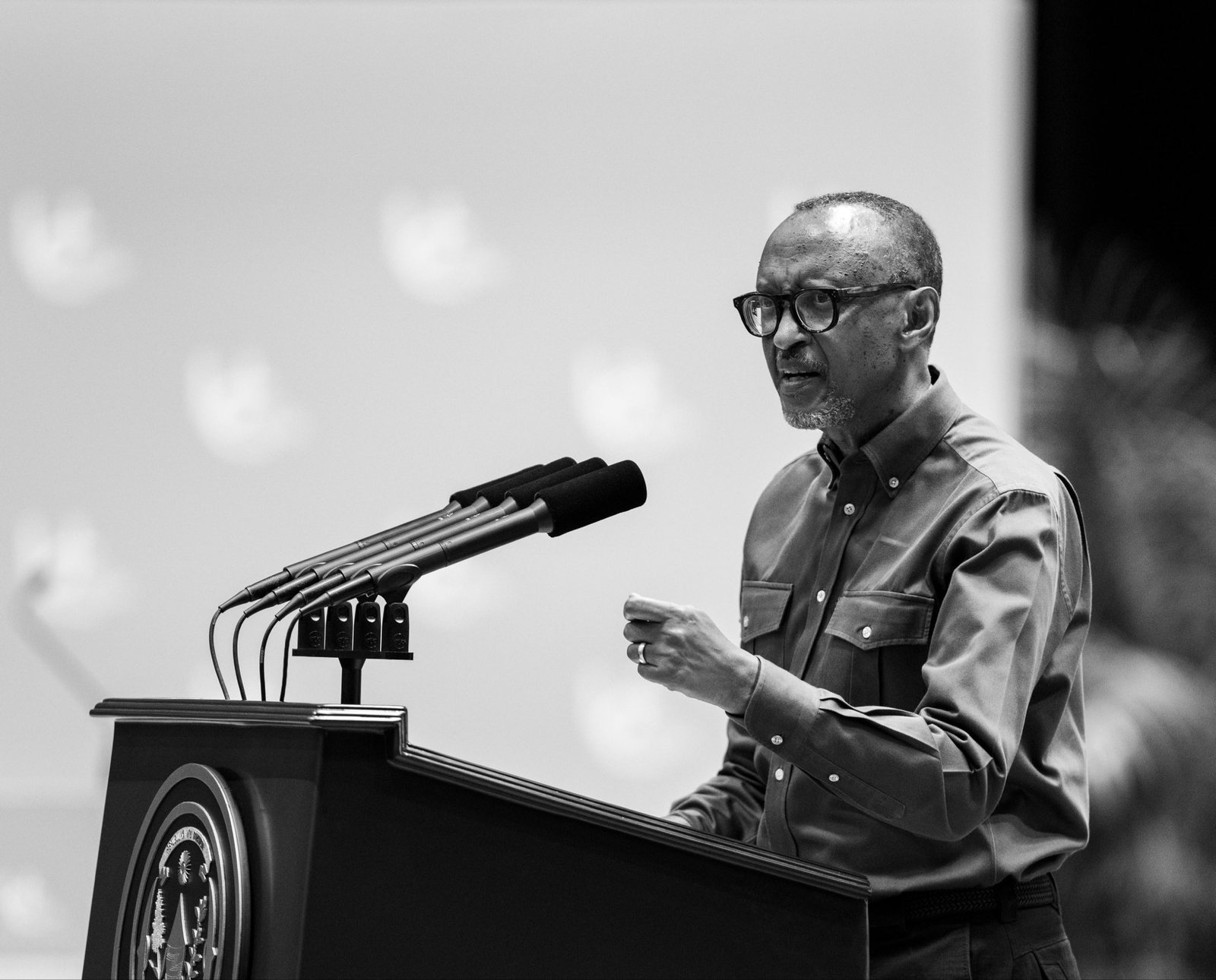
“The ideas behind the genocide have not disappeared completely. They persist in different forms and remain present across our region,” Kagame said during the national celebration.
“Security and good governance are the foundation of everything we have built. Security is a matter of survival, not external approval. Without it, nothing else holds together,” he added. “What happened here will never happen again, for one simple reason: we will not allow it.”
Known as Kwibohora, or Liberation Day, the annual holiday commemorates the July 4, 1994, capture of Kigali by the then-Rwandan Patriotic Army, ending the genocide that killed an estimated 800,000 people, mostly Tutsi and moderate Hutu, over about 100 days.
As part of the anniversary, the Ministry of Finance and Economic Planning released figures showing changes in key economic and social indicators since 1994.
Development and Economic Gains
According to the ministry, Rwanda’s economy grew from $1.4 billion in 1994 to $16.3 billion in 2025, while gross domestic product per capita increased from $223 to $1,156.
The ministry said the national poverty rate fell from 78% in 1994 to 27.4% in 2025, citing the 2024 Integrated Household Living Conditions Survey (EICV7).
It also reported life expectancy increasing from 29 years to 70.5 years, access to education rising from 49% to 92.8%, access to health services improving from 2.6% to more than 90%, and electricity access expanding from less than 1% to 72%. Official figures also showed unemployment declining from 16.04% in 1994 to 11%.
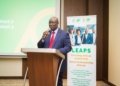
Prime Minister Justin Nsengiyumva spent part of the day in Bigogwe Sector, Nyabihu District, where he joined residents for the closing ceremony of the Defence and Security Citizen Outreach Programme 2026.
During the event, he inaugurated 30 newly built homes for vulnerable families and praised the Rwanda Defence Force and Rwanda National Police for their continued role in improving livelihoods through the annual outreach initiative.
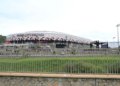
The Rwanda Defence Force also concluded the 2026 Liberation Cup Tournament at Kigali Pelé Stadium.
The Republican Guard defeated BMTC Nasho 3-0 to win the men’s title, while the Military Health Service beat the Military Police 2-1 in the women’s final.
International leaders sent messages marking the anniversary, while Rwandans across the country reflected on the significance of Liberation Day and the country’s recovery since 1994.
The anniversary is one of Rwanda’s most significant national observances, commemorating the end of the genocide and the beginning of the country’s reconstruction under the Rwanda Patriotic Front.