
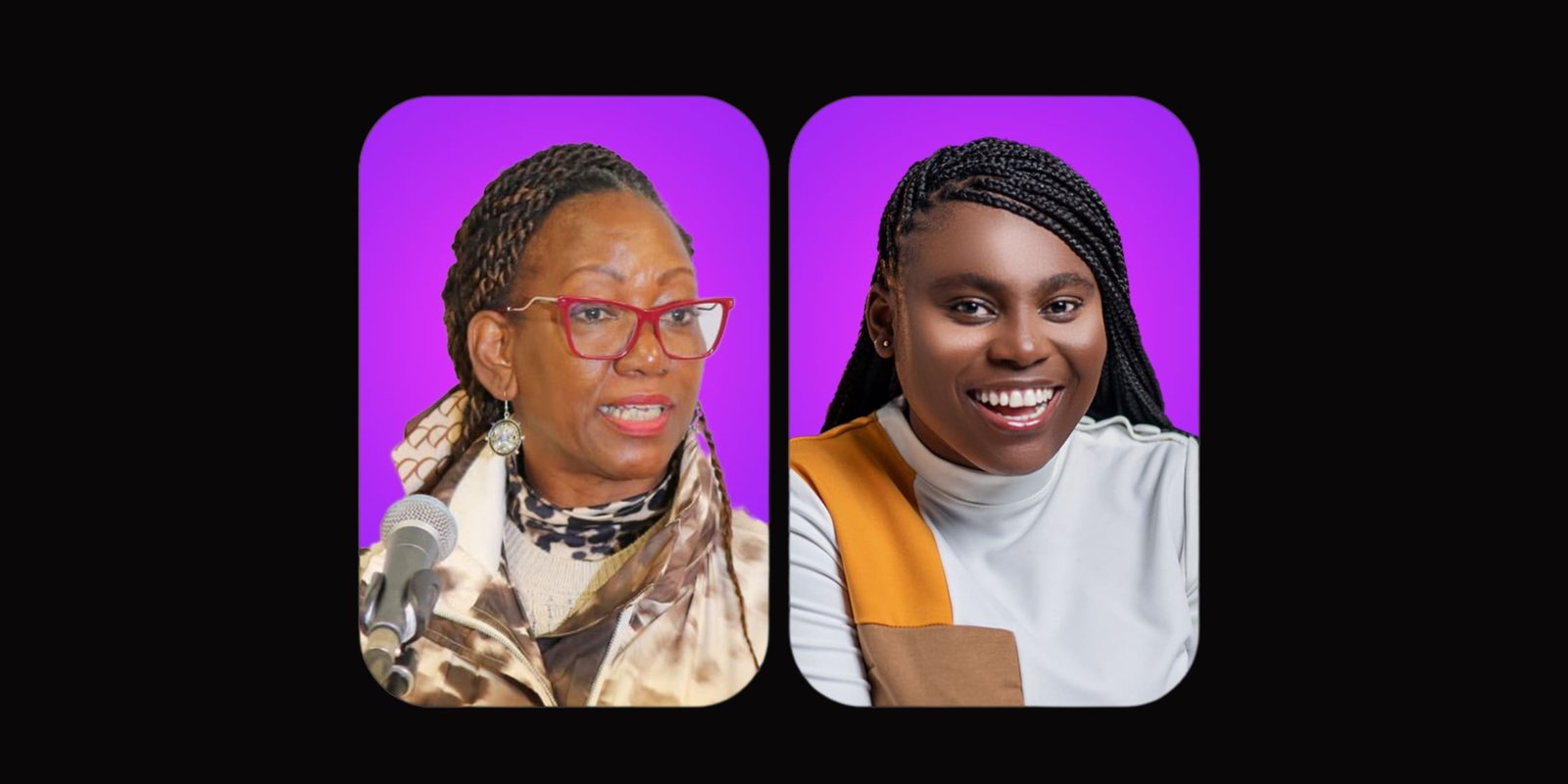

Women entrepreneurs across Africa are playing a critical role in driving economic growth, creating jobs and shaping policy reforms, but structural barriers continue to limit their full potential, according to Agnes Phiri Utunga, strategic partnerships and programme manager at UN Women.
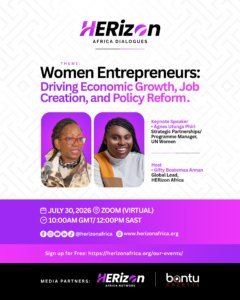
Speaking during HERizon Africa Dialogues on Thursday, themed ‘Women Entrepreneurs: Driving Economic Growth, Job Creation, and Policy Reform,’ Utunga said investing in women is both a human rights imperative and an economic necessity.
Moderated by Gifty Boatemaa Annan, founder and global lead of HERizon Africa, the event brought together participants from across Africa and beyond to discuss how women-led enterprises can drive economic growth and development.
Utunga, who oversees the EntreprenHER Programme implemented in Botswana, Namibia and South Africa with support from the De Beers Group and UN Women, highlighted the resilience of women operating small businesses across the continent.
“Someone, a mother, a grandmother, a sister, a young woman has woken up to do this,” she said, referring to women who run businesses to support their families. “She’s her own accountant, her own logistics manager and her own marketing department.”
According to Utunga, women account for 58% of Africa’s self-employed population and contribute about 13% of the continent’s Gross Domestic Product (GDP).
She noted that sub-Saharan Africa has the highest rate of female entrepreneurial activity in the world, with nearly one-quarter of adult women engaged in business.
$42 Billion Financing Gap Facing Women-Led Businesses
Despite those gains, she warned that women’s economic participation has declined in recent years and that, at the current pace, Africa could take 170 years to achieve full economic parity between men and women.
She also pointed to a $42 billion financing gap facing women-led businesses across the continent.
Utunga argued that governments, financial institutions and the private sector must adopt policies that promote women’s entrepreneurship, including easier business registration processes, affordable financing, stronger digital infrastructure and greater access to public procurement opportunities.
She also stressed the importance of childcare support, noting that many women entrepreneurs juggle business responsibilities with caring for their families. “Policy is strongest when shaped by the lived experience of the women it is meant to serve,” she said.
Addressing the role of technology, Utunga said digital platforms, e-commerce and financial technology offer significant opportunities for women-owned businesses.
She shared an example of women entrepreneurs in rural communities who generated about $8,000 in sales within three months after being introduced to online marketplaces.
“Investing in women is smart economics,” Utunga said, adding that women-owned businesses have the potential to boost productivity, increase innovation and create jobs in local communities.
She called for stronger partnerships among governments, financial institutions, development organizations, civil society groups and entrepreneurs to address systemic barriers and create more inclusive economies.
Closing the session, Utunga urged stakeholders to remove barriers to women’s participation, intentionally invest in women-led enterprises and ensure that policies promote inclusion.
“When women succeed, economies grow. When economies grow inclusively, societies prosper,” she said.
The webinar also featured a presentation by HERizon Africa, which outlined its work in promoting women’s leadership, economic empowerment and policy advocacy across the continent.
“Our goal is to bring women together, amplify their voices and create opportunities for collaboration that can transform lives and communities across the continent,” Annan said.