
Bantu Gazette

Bantu Gazette
  • Policy & Governance
  • Development & Impact
  • Business, Trade & Economy
  • Energy
  • Changemakers
  • Culture & Identity
  • Perspectives
  • Magazine
Menu
  • Black Frame Studio
  • Magazine

Multilateral Fund Approves $22.3 Million for African Cooling and Ozone Projects

Funding will support sustainable cooling, energy efficiency and climate-friendly technologies in eight African countries as demand for cooling rises.

Multilateral Fund Approves $22.3 Million for African Cooling and Ozone Projects
Marina Bisseby Marina Bisse
July 30, 2026
Reading Time: 3 mins read

Multilateral Fund Approves $22.3 Million for African Cooling and Ozone Projects

Funding will support sustainable cooling, energy efficiency and climate-friendly technologies in eight African countries as demand for cooling rises.

Multilateral Fund Approves $22.3 Million for African Cooling and Ozone Projects
Marina Bisseby Marina Bisse
August 1, 2026
Reading Time: 3 mins read

ADDIS ABABA

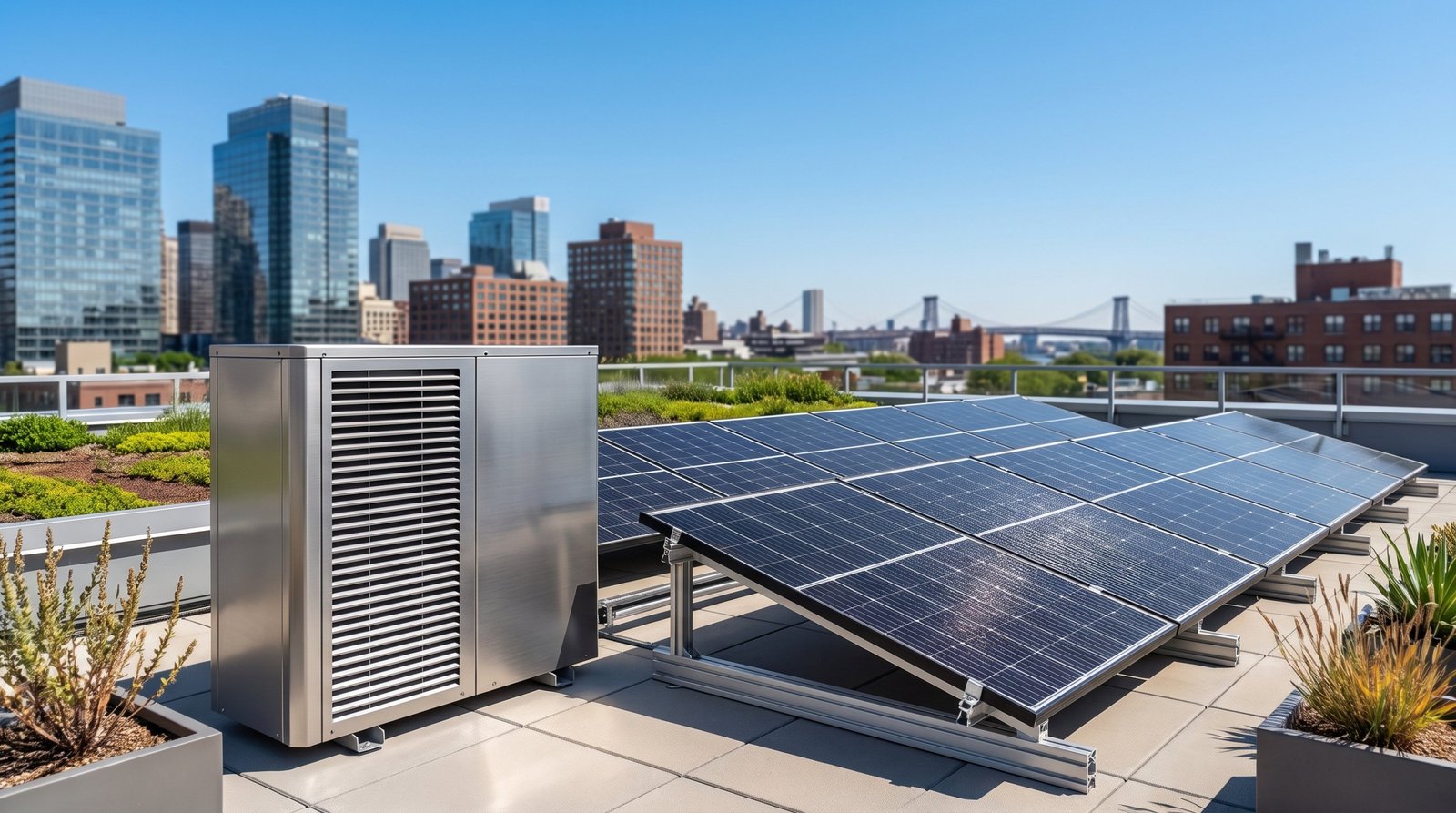
The Multilateral Fund for the Implementation of the Montreal Protocol approved more than $22.3 million for cooling, energy-efficiency and ozone-protection projects across eight African countries, the United Nations Development Programme (UNDP) announced Wednesday.

The funding package covers 12 UNDP-supported projects, including seven full projects and five project-preparation grants aimed at accelerating the continent’s transition to sustainable cooling technologies, reducing greenhouse gas emissions and phasing out ozone-depleting substances.

The approved projects will support efforts to improve energy efficiency, expand access to climate-friendly cooling systems and strengthen compliance with the Montreal Protocol and its Kigali Amendment.

The Montreal Protocol is one of the world’s most widely ratified environmental treaties. It was created to protect the ozone layer by phasing out chemicals that cause depletion.

Through the Kigali Amendment, countries also pledged to reduce hydrofluorocarbons used in cooling systems, extending ozone protection efforts to include broader climate goals.

Nigeria received the largest allocation, with nearly $18 million approved for the continuation of its Hydrochlorofluorocarbon Phase-out Management Plan and additional funding under its Kigali Implementation Plan.

The investments will support the country’s efforts to completely phase out hydrochlorofluorocarbons by 2030, strengthen regulatory and enforcement systems, professionalize the refrigeration and air-conditioning servicing sector, and accelerate the transition to climate-friendly cooling technologies.

According to UNDP, the support for Nigeria is expected to help reduce more than 4.2 million metric tons of carbon dioxide-equivalent emissions while promoting low-global-warming-potential alternatives in key cooling sectors.

Energy Efficiency

The committee also approved a $4 million Energy Efficiency Revolving Fund for Ghana, positioning the country among the first globally to pilot a financing mechanism designed to accelerate the market transition to sustainable cooling.

Working with two commercial banks, the revolving fund will provide concessional financing to businesses, including hotels, supermarkets and cold-storage facilities to replace outdated cooling equipment with energy-efficient and climate-friendly alternatives. UNDP said the initiative is expected to generate significant energy savings while creating a financing model that could be replicated elsewhere in Africa.

Additional approvals include support for hydrochlorofluorocarbon phase-out programs in South Sudan and the Democratic Republic of Congo, an energy-efficiency demonstration project in Angola, and project-preparation grants for energy-efficiency pilot projects in the cold-chain sector in Kenya, Angola, Ethiopia, Guinea-Bissau and Senegal.

Xiaofang Zhou, head of UNDP’s Cooling, Circularity and Pollution Prevention Team, said the approvals reflected growing efforts by African countries to use the Montreal Protocol to advance broader development goals.

“These approvals demonstrate Africa’s growing ambition to leverage the Montreal Protocol as a powerful vehicle for cold-chain development for food security, energy efficiency and decent job creation for green growth,” Zhou said in a statement.

The approvals come as demand for cooling services across Africa continues to rise because of urbanization, economic growth, increasing temperatures and food-security needs.

By combining ozone protection, climate action, energy efficiency and innovative financing mechanisms, the projects are expected to help countries meet their environmental commitments while supporting national development priorities.

Mathias Naab, director of UNDP’s Regional Service Centre for Africa, described the projects as an important step toward strengthening climate resilience across the continent.

“These approvals demonstrate Africa’s growing leadership in sustainable cooling and climate action,” Naab said. “These innovative projects are remarkable investments that will help countries meet environmental commitments under the Montreal Protocol while creating economic opportunities for a more resilient future.”

The African approvals form part of a broader package endorsed at the 98th meeting of the Executive Committee, where 39 UNDP-supported projects across 31 countries received $56 million in grant financing, while an additional $82 million was approved in principle.

UNDP said it has mobilized more than $1 billion in grant financing through its Multilateral Fund portfolio to help countries advance ozone protection, climate action and sustainable cooling transitions.
 

Get the inside Story

Stay informed on the stories shaping Africa’s future. Get breaking news, in-depth analysis, opinions and exclusive insights from across the continent delivered to your inbox, free and unfiltered.


Get in touch for more:
Felix Tih
Editorial Director, Bantu Gazette
WhatsApp
LinkedIn
X (Twitter)
Instagram

Related Posts

Morocco Secures €100 Million Funding to Build Africa’s First EV Battery Hub
Energy

Morocco Secures €100 Million Funding to Build Africa’s First EV Battery Hub

August 6, 2026
Côte d’Ivoire Studies Botswana Mining Model to Strengthen Resource Governance
Energy

Botswana, Côte d’Ivoire Forge Historic Mining and Energy Partnership

August 6, 2026
BasiGo and Rubis Energy Partner to Expand Kenya’s Electric Bus Network Beyond Nairobi
Energy

BasiGo and Rubis Energy Partner to Expand Kenya’s Electric Bus Network Beyond Nairobi

July 26, 2026
Mali’s $190 Million Power Project to Connect 10,000 Households
Energy

Mali’s $190 Million Power Project to Connect 10,000 Households

July 22, 2026
Ethiopia’s Flagship Dam Doubles Power Output, Supplies Half of Country’s Electricity
Energy

Ethiopia Solidifies Role as Central Energy Hub with Landmark Kenya Power Deal

July 15, 2026
Mission 300 Connects Over 50 Million Africans to Electricity, Reaching Major Milestone
Energy

Mission 300 Connects Over 50 Million Africans to Electricity, Reaching Major Milestone

June 22, 2026

Most Recent

Ghana’s Chale Wote Festival Transforms Accra’s Streets with Art and Performance
Culture & Identity

Ghana’s Chale Wote Festival Transforms Accra’s Streets with Art and Performance

by Aissatou Fall
August 13, 2026
0

Accra’s Chale Wote festival turns streets into living galleries, blending art, music and ritual under the 2026 theme “Carnival of...

Read moreDetails
Somalia’s Omar Artan Becomes 1st non-European to Referee the UEFA Super Cup

Somalia’s Omar Artan Becomes 1st non-European to Referee the UEFA Super Cup

August 13, 2026
Liberia Cabinet Adopts Infrastructure Roadmap, Monrovia Redevelopment Plan

Liberian President Boakai Warns Officials Over Delays in Development Agenda

August 12, 2026

Côte d’Ivoire Ambassador Highlights Growing Ties With Türkiye at Independence Day Celebration

August 13, 2026
Young Africans Welcome Global Powers but Want Investment on Their Terms, Report Finds

Young Africans Welcome Global Powers but Want Investment on Their Terms, Report Finds

August 13, 2026
Namibia Deepens Regional Ties Through Trade and Energy

Namibia President Presses Mining Industry to Deliver Jobs, Drive Investment

August 12, 2026
$332M Financing Package to Support South African SMEs, Women-Led Businesses

$332M Financing Package to Support South African SMEs, Women-Led Businesses

August 9, 2026
Ghana’s Chale Wote Festival Transforms Accra’s Streets with Art and Performance
Culture & Identity

Ghana’s Chale Wote Festival Transforms Accra’s Streets with Art and Performance

by Aissatou Fall
Reading Time: 2 mins read
August 13, 2026
0

Accra’s Chale Wote festival turns streets into living galleries, blending art, music and ritual under the 2026 theme “Carnival of...

Read moreDetails
Somalia’s Omar Artan Becomes 1st non-European to Referee the UEFA Super Cup
Development & Impact

Somalia’s Omar Artan Becomes 1st non-European to Referee the UEFA Super Cup

by Felix Tih
Reading Time: 2 mins read
August 13, 2026
0

The 34-year-old’s landmark assignment follows a decade of refereeing firsts and a new cooperation agreement between UEFA and CAF

Read moreDetails
Liberia Cabinet Adopts Infrastructure Roadmap, Monrovia Redevelopment Plan
Development & Impact

Liberian President Boakai Warns Officials Over Delays in Development Agenda

by Nora Tabe
Reading Time: 2 mins read
August 12, 2026
0

President Joseph Boakai demands measurable progress on roads, health, education and jobs as the government reviews the first year of...

Read moreDetails

Multilateral Fund Approves $22.3 Million for African Cooling and Ozone Projects

Funding will support sustainable cooling, energy efficiency and climate-friendly technologies in eight African countries as demand for cooling rises.

Multilateral Fund Approves $22.3 Million for African Cooling and Ozone Projects

ADDIS ABABA

The Multilateral Fund for the Implementation of the Montreal Protocol approved more than $22.3 million for cooling, energy-efficiency and ozone-protection projects across eight African countries, the United Nations Development Programme (UNDP) announced Wednesday.

The funding package covers 12 UNDP-supported projects, including seven full projects and five project-preparation grants aimed at accelerating the continent’s transition to sustainable cooling technologies, reducing greenhouse gas emissions and phasing out ozone-depleting substances.

The approved projects will support efforts to improve energy efficiency, expand access to climate-friendly cooling systems and strengthen compliance with the Montreal Protocol and its Kigali Amendment.

The Montreal Protocol is one of the world’s most widely ratified environmental treaties. It was created to protect the ozone layer by phasing out chemicals that cause depletion.

Through the Kigali Amendment, countries also pledged to reduce hydrofluorocarbons used in cooling systems, extending ozone protection efforts to include broader climate goals.

Nigeria received the largest allocation, with nearly $18 million approved for the continuation of its Hydrochlorofluorocarbon Phase-out Management Plan and additional funding under its Kigali Implementation Plan.

The investments will support the country’s efforts to completely phase out hydrochlorofluorocarbons by 2030, strengthen regulatory and enforcement systems, professionalize the refrigeration and air-conditioning servicing sector, and accelerate the transition to climate-friendly cooling technologies.

According to UNDP, the support for Nigeria is expected to help reduce more than 4.2 million metric tons of carbon dioxide-equivalent emissions while promoting low-global-warming-potential alternatives in key cooling sectors.

Energy Efficiency

The committee also approved a $4 million Energy Efficiency Revolving Fund for Ghana, positioning the country among the first globally to pilot a financing mechanism designed to accelerate the market transition to sustainable cooling.

Working with two commercial banks, the revolving fund will provide concessional financing to businesses, including hotels, supermarkets and cold-storage facilities to replace outdated cooling equipment with energy-efficient and climate-friendly alternatives. UNDP said the initiative is expected to generate significant energy savings while creating a financing model that could be replicated elsewhere in Africa.

Additional approvals include support for hydrochlorofluorocarbon phase-out programs in South Sudan and the Democratic Republic of Congo, an energy-efficiency demonstration project in Angola, and project-preparation grants for energy-efficiency pilot projects in the cold-chain sector in Kenya, Angola, Ethiopia, Guinea-Bissau and Senegal.

Xiaofang Zhou, head of UNDP’s Cooling, Circularity and Pollution Prevention Team, said the approvals reflected growing efforts by African countries to use the Montreal Protocol to advance broader development goals.

“These approvals demonstrate Africa’s growing ambition to leverage the Montreal Protocol as a powerful vehicle for cold-chain development for food security, energy efficiency and decent job creation for green growth,” Zhou said in a statement.

The approvals come as demand for cooling services across Africa continues to rise because of urbanization, economic growth, increasing temperatures and food-security needs.

By combining ozone protection, climate action, energy efficiency and innovative financing mechanisms, the projects are expected to help countries meet their environmental commitments while supporting national development priorities.

Mathias Naab, director of UNDP’s Regional Service Centre for Africa, described the projects as an important step toward strengthening climate resilience across the continent.

“These approvals demonstrate Africa’s growing leadership in sustainable cooling and climate action,” Naab said. “These innovative projects are remarkable investments that will help countries meet environmental commitments under the Montreal Protocol while creating economic opportunities for a more resilient future.”

The African approvals form part of a broader package endorsed at the 98th meeting of the Executive Committee, where 39 UNDP-supported projects across 31 countries received $56 million in grant financing, while an additional $82 million was approved in principle.

UNDP said it has mobilized more than $1 billion in grant financing through its Multilateral Fund portfolio to help countries advance ozone protection, climate action and sustainable cooling transitions.

 

Multilateral Fund Approves $22.3 Million for African Cooling and Ozone Projects

Funding will support sustainable cooling, energy efficiency and climate-friendly technologies in eight African countries as demand for cooling rises.

Multilateral Fund Approves $22.3 Million for African Cooling and Ozone Projects
Marina Bisseby Marina Bisse
July 30, 2026

ADDIS ABABA

The Multilateral Fund for the Implementation of the Montreal Protocol approved more than $22.3 million for cooling, energy-efficiency and ozone-protection projects across eight African countries, the United Nations Development Programme (UNDP) announced Wednesday.

The funding package covers 12 UNDP-supported projects, including seven full projects and five project-preparation grants aimed at accelerating the continent’s transition to sustainable cooling technologies, reducing greenhouse gas emissions and phasing out ozone-depleting substances.

The approved projects will support efforts to improve energy efficiency, expand access to climate-friendly cooling systems and strengthen compliance with the Montreal Protocol and its Kigali Amendment.

The Montreal Protocol is one of the world’s most widely ratified environmental treaties. It was created to protect the ozone layer by phasing out chemicals that cause depletion.

Through the Kigali Amendment, countries also pledged to reduce hydrofluorocarbons used in cooling systems, extending ozone protection efforts to include broader climate goals.

Nigeria received the largest allocation, with nearly $18 million approved for the continuation of its Hydrochlorofluorocarbon Phase-out Management Plan and additional funding under its Kigali Implementation Plan.

The investments will support the country’s efforts to completely phase out hydrochlorofluorocarbons by 2030, strengthen regulatory and enforcement systems, professionalize the refrigeration and air-conditioning servicing sector, and accelerate the transition to climate-friendly cooling technologies.

According to UNDP, the support for Nigeria is expected to help reduce more than 4.2 million metric tons of carbon dioxide-equivalent emissions while promoting low-global-warming-potential alternatives in key cooling sectors.

Energy Efficiency

The committee also approved a $4 million Energy Efficiency Revolving Fund for Ghana, positioning the country among the first globally to pilot a financing mechanism designed to accelerate the market transition to sustainable cooling.

Working with two commercial banks, the revolving fund will provide concessional financing to businesses, including hotels, supermarkets and cold-storage facilities to replace outdated cooling equipment with energy-efficient and climate-friendly alternatives. UNDP said the initiative is expected to generate significant energy savings while creating a financing model that could be replicated elsewhere in Africa.

Additional approvals include support for hydrochlorofluorocarbon phase-out programs in South Sudan and the Democratic Republic of Congo, an energy-efficiency demonstration project in Angola, and project-preparation grants for energy-efficiency pilot projects in the cold-chain sector in Kenya, Angola, Ethiopia, Guinea-Bissau and Senegal.

Xiaofang Zhou, head of UNDP’s Cooling, Circularity and Pollution Prevention Team, said the approvals reflected growing efforts by African countries to use the Montreal Protocol to advance broader development goals.

“These approvals demonstrate Africa’s growing ambition to leverage the Montreal Protocol as a powerful vehicle for cold-chain development for food security, energy efficiency and decent job creation for green growth,” Zhou said in a statement.

The approvals come as demand for cooling services across Africa continues to rise because of urbanization, economic growth, increasing temperatures and food-security needs.

By combining ozone protection, climate action, energy efficiency and innovative financing mechanisms, the projects are expected to help countries meet their environmental commitments while supporting national development priorities.

Mathias Naab, director of UNDP’s Regional Service Centre for Africa, described the projects as an important step toward strengthening climate resilience across the continent.

“These approvals demonstrate Africa’s growing leadership in sustainable cooling and climate action,” Naab said. “These innovative projects are remarkable investments that will help countries meet environmental commitments under the Montreal Protocol while creating economic opportunities for a more resilient future.”

The African approvals form part of a broader package endorsed at the 98th meeting of the Executive Committee, where 39 UNDP-supported projects across 31 countries received $56 million in grant financing, while an additional $82 million was approved in principle.

UNDP said it has mobilized more than $1 billion in grant financing through its Multilateral Fund portfolio to help countries advance ozone protection, climate action and sustainable cooling transitions.

 

Get the inside Story

Stay informed on the stories shaping Africa’s future. Get breaking news, in-depth analysis, opinions and exclusive insights from across the continent delivered to your inbox, free and unfiltered.


Get in touch for more:
Felix Tih
Editorial Director, Bantu Gazette
WhatsApp
LinkedIn
X (Twitter)
Instagram

Related Posts

Morocco Secures €100 Million Funding to Build Africa’s First EV Battery Hub

Morocco Secures €100 Million Funding to Build Africa’s First EV Battery Hub

by Samira Benhadda
August 6, 2026
0

...

Côte d’Ivoire Studies Botswana Mining Model to Strengthen Resource Governance

Botswana, Côte d’Ivoire Forge Historic Mining and Energy Partnership

by Naledi Kgosi
July 31, 2026
0

...

BasiGo and Rubis Energy Partner to Expand Kenya’s Electric Bus Network Beyond Nairobi

BasiGo and Rubis Energy Partner to Expand Kenya’s Electric Bus Network Beyond Nairobi

by Waceke Nganga
July 23, 2026
0

...

Mali’s $190 Million Power Project to Connect 10,000 Households

Mali’s $190 Million Power Project to Connect 10,000 Households

by Aissatou Fall
July 20, 2026
0

...

Ethiopia’s Flagship Dam Doubles Power Output, Supplies Half of Country’s Electricity

Ethiopia Solidifies Role as Central Energy Hub with Landmark Kenya Power Deal

by Kalkidan Negash
July 13, 2026
0

...

Mission 300 Connects Over 50 Million Africans to Electricity, Reaching Major Milestone

Mission 300 Connects Over 50 Million Africans to Electricity, Reaching Major Milestone

by Marina Bisse
June 20, 2026
0

...

Ghana’s Chale Wote Festival Transforms Accra’s Streets with Art and Performance
Culture & Identity

Ghana’s Chale Wote Festival Transforms Accra’s Streets with Art and Performance

by Aissatou Fall
Reading Time: 2 mins read
August 13, 2026
0

Accra’s Chale Wote festival turns streets into living galleries, blending art, music and ritual under the 2026 theme “Carnival of...

Read moreDetails
Somalia’s Omar Artan Becomes 1st non-European to Referee the UEFA Super Cup

Somalia’s Omar Artan Becomes 1st non-European to Referee the UEFA Super Cup

by Felix Tih
August 13, 2026
0

The 34-year-old’s landmark assignment follows a decade of refereeing firsts and a new cooperation agreement between UEFA and CAF

Liberia Cabinet Adopts Infrastructure Roadmap, Monrovia Redevelopment Plan

Liberian President Boakai Warns Officials Over Delays in Development Agenda

by Nora Tabe
August 12, 2026
0

President Joseph Boakai demands measurable progress on roads, health, education and jobs as the government reviews the first year of...

Côte d’Ivoire Ambassador Highlights Growing Ties With Türkiye at Independence Day Celebration

by Felix Tih
August 11, 2026
0

From trade and defense to education, H.E. Khadidjata Touré highlighted the expanding partnership between Abidjan and Ankara during the independence...

Young Africans Welcome Global Powers but Want Investment on Their Terms, Report Finds

Young Africans Welcome Global Powers but Want Investment on Their Terms, Report Finds

by Marina Bisse
August 11, 2026
0

African Youth Survey 2026 finds 80% worry about foreign influence, even as 55% favor strong alliances with major global powers...

Next Post
‘Teranga’ by Mamy Mbaye Unveiled as Official Anthem of Dakar 2026 Youth Olympics

'Teranga' by Mamy Mbaye Unveiled as Official Anthem of Dakar 2026 Youth Olympics

Côte d’Ivoire Studies Botswana Mining Model to Strengthen Resource Governance

Botswana, Côte d’Ivoire Forge Historic Mining and Energy Partnership

Somalia Joins African Continental Free Trade Area, Gaining Access to $3.4 Trillion Market

Somalia Joins African Continental Free Trade Area, Gaining Access to $3.4 Trillion Market

Kenya President Announces Plan for Free Higher Education Starting in Sept. 2026

Kenya President Announces Plan for Free Higher Education Starting in Sept. 2026

Bantu Gazette is a pioneering news platform that champions Africa's development, culture, and heritage. We spotlight the continent's successes, address its challenges, and provide insightful coverage of events that shape its future.

Bantu Gazette is a pioneering news platform that champions Africa's development, culture, and heritage. We spotlight the continent's successes, address its challenges, and provide insightful coverage of events that shape its future.

Our Platforms

  • Bantu Magazine
  • Bantu Brief
  • Black Frame Studio

Our Services

  • Bantu Agency
  • Advertise
  • Partnerships

Our Services

  • Editorial Director
  • Opportunities
  • Contact

Bantu Gazette is a pioneering news platform that champions Africa's development, culture, and heritage. We spotlight the continent's successes, address its challenges, and provide insightful coverage of events that shape its future.

Our Platforms

  • Bantu Magazine
  • Bantu Brief
  • Black Frame Studio

Our Services

  • Bantu Agency
  • Advertise
  • Partnerships

Our Services

  • Editorial Director
  • Opportunities
  • Contact
Bantu Gazette
  • Energy & Trade
  • Finance
  • Health
  • Politics & Economy
  • Technology
  • Environment
  • Feature
  • Opinion
  • Changemakers
  • Tourism & Culture
  • Magazine