

Bantu Gazette

Bantu Gazette
  • Policy & Governance
  • Development & Impact
  • Business, Trade & Economy
  • Energy
  • Changemakers
  • Culture & Identity
  • Perspectives
  • Magazine
Menu
  • Black Frame Studio
  • Magazine

Policy Harmonization, Regional Trade Key to Closing Africa’s Energy Gap

African Union Commissioner Lerato Dorothy Mataboge calls for coordinated energy policies, investment and cross-border electricity trade to close Africa’s power gap.

Policy Harmonization, Regional Trade Key to Closing Africa’s Energy Gap

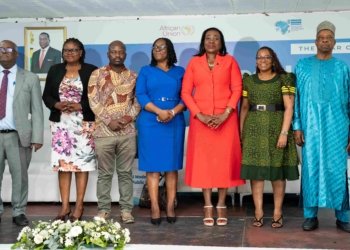
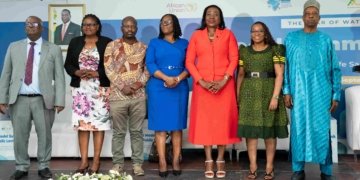
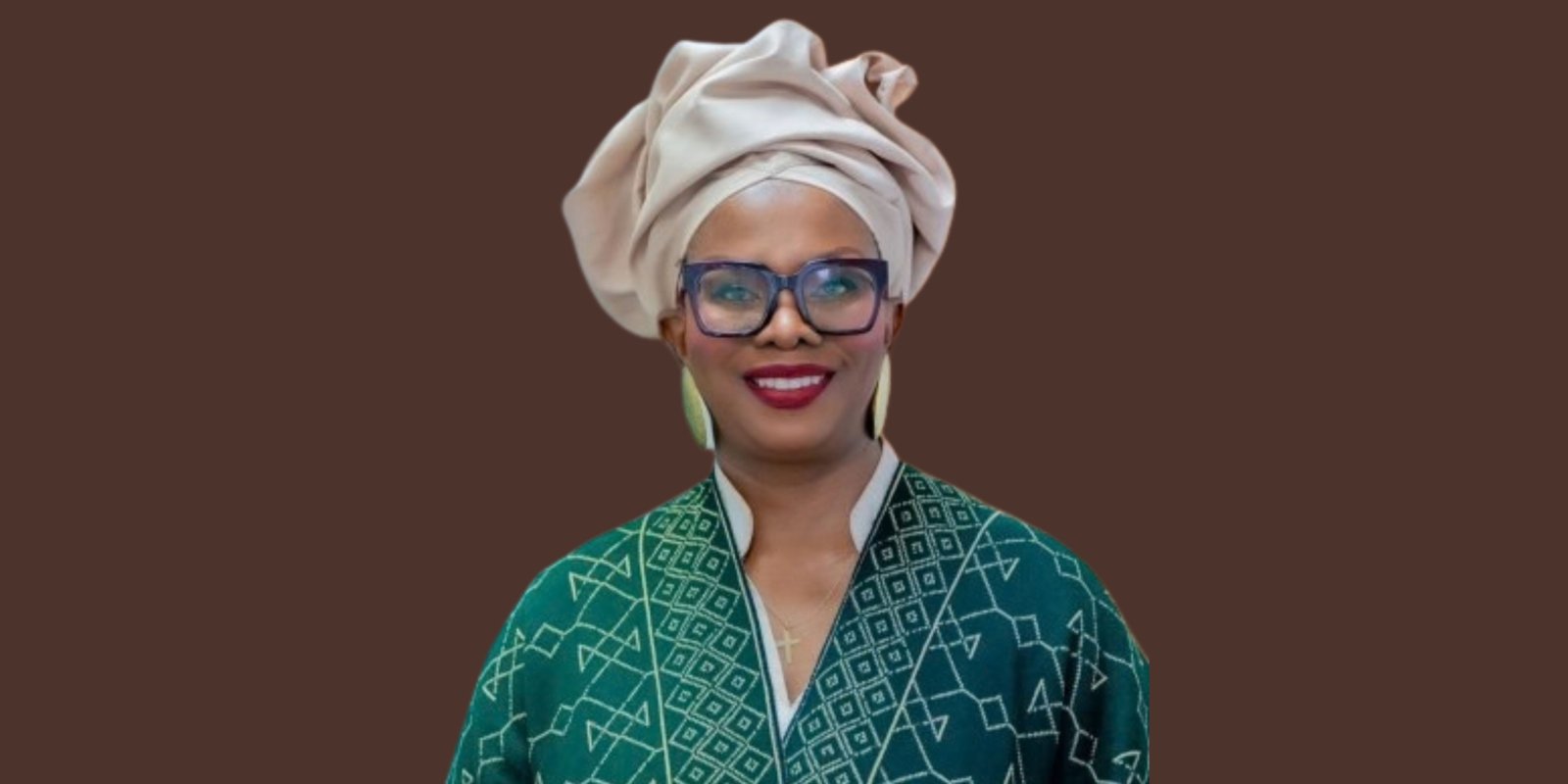
African Union Commissioner for Infrastructure and Energy Lerato Dorothy Mataboge

Felix Tihby Felix Tih
September 22, 2026
Reading Time: 4 mins read

Policy Harmonization, Regional Trade Key to Closing Africa’s Energy Gap

African Union Commissioner Lerato Dorothy Mataboge calls for coordinated energy policies, investment and cross-border electricity trade to close Africa’s power gap.

Policy Harmonization, Regional Trade Key to Closing Africa’s Energy Gap

African Union Commissioner for Infrastructure and Energy Lerato Dorothy Mataboge

Policy Harmonization, Regional Trade Key to Closing Africa’s Energy Gap

African Union Commissioner for Infrastructure and Energy Lerato Dorothy Mataboge

Felix Tihby Felix Tih
September 22, 2026
Reading Time: 4 mins read

NEW YORK

African Union Commissioner for Infrastructure and Energy Lerato Dorothy Mataboge has called for harmonized energy policies, coordinated investment and stronger cross-border electricity trade to address Africa’s energy deficit, as approximately 600 million people across the continent remain without access to electricity.

Speaking at the Global Africa Business Initiative’s (GABI) Unstoppable Africa 2026 event in New York, Mataboge said the continent needs $64 billion annually to close its electricity access gap and expand power generation.

She said Africa needs to install 26 gigawatts of electricity generation capacity annually through 2030, compared with the current pace of approximately 7 to 8 gigawatts a year.

“When it comes to energy, our continent, we need 26 gigawatts of installed capacity between now and 2030. We are currently only at about 7 to 8 gigawatts per annum. So there’s a big gap that we need to be closing,” Mataboge said.

She emphasized that addressing the continent’s energy deficit requires more than expanding electricity generation. African countries must also develop the capacity to finance, transmit and trade electricity across national borders.

“So before we even speak on sovereignty, it’s about understanding the problem that we are supposed to be addressing,” she said.

Policy harmonization key to regional energy trade

Mataboge identified policy harmonization and regional electricity trade as central to Africa’s pursuit of energy sovereignty, emphasizing the need for African countries to coordinate their energy systems and develop the capacity to exchange electricity across borders.

She said energy sovereignty depends on the ability of African Union member states to plan, finance, produce, transmit and trade electricity rather than focusing exclusively on domestic generation.

“For us, the sovereignty question is really around how do we ensure that our member states are able to plan, to finance, to produce, to transmit, and to trade in that energy?” she said.

According to Mataboge, cross-border electricity trade would support broader economic integration by encouraging countries to harmonize energy policies, establish interoperable systems and strengthen their capacity to make transnational payments.

She said the ability of African countries to trade electricity among themselves would demonstrate progress toward regional integration while creating opportunities for greater cooperation in energy infrastructure development.

The African Single Electricity Market (AfSEM), she explained, provides a framework for enabling member states to integrate their electricity systems and facilitate regional energy trade.

“Our key focus is to ensure that as our member states at national level generate electricity, they are able to trade it among ourselves,” she said.

Mataboge said the initiative is intended to support member states in developing interconnected electricity markets, allowing power generated in one country to be transmitted and supplied to neighboring states.

The approach places regional cooperation at the center of Africa’s energy strategy, with policy alignment and compatible infrastructure serving as essential components of an integrated continental electricity market.

Continental energy master plan to guide investment

Alongside AfSEM, the African Union is advancing a continental energy master plan designed to identify strategic electricity infrastructure projects and determine the financing required to integrate Africa’s energy systems.

Mataboge said the plan provides a framework for coordinating national and regional energy investments, with an emphasis on infrastructure that can facilitate electricity transmission between countries.

“That master plan identifies strategic energy projects and the financial requirements for all these projects for integrating the continent,” she said.

She described the African Union’s role as supporting policy harmonization and ensuring that member states develop compatible systems and processes to facilitate electricity trade.

“It’s about harmonizing, making sure that we’ve got interoperable processes,” she said.

Mataboge emphasized that national electricity generation must be accompanied by transmission infrastructure and regulatory coordination to enable countries to supply power beyond their borders.

She said the AU’s focus is to ensure that as member states develop their domestic electricity generation capacity, they can transmit surplus power to neighboring countries and contribute to a more integrated continental energy market.

The continental energy master plan and AfSEM are intended to complement each other by linking infrastructure planning and investment with the regulatory and market arrangements required for cross-border electricity trade.

Africa seeks greater influence in global economy

Mataboge’s remarks came as African business leaders, heads of state, investors, policymakers and international partners gathered in New York for Unstoppable Africa 2026, held alongside the 81st session of the United Nations General Assembly.

Organized by the Global Africa Business Initiative, the event brought together leaders to discuss Africa’s efforts to capture more value from its resources, accelerate investment and strengthen its influence in global trade and decision-making.

The gathering placed Africa’s business and investment agenda at the center of discussions about the continent’s role in the global economy, including the infrastructure and financing required to support economic transformation.

Energy access remains a central part of that agenda, with electricity shortages limiting opportunities for industrial development, business expansion and economic participation across the continent.

Mataboge’s remarks highlighted the importance of treating energy infrastructure as a continental priority, with coordinated planning, financing and policy harmonization needed to address electricity shortages and facilitate regional power trade.

By linking national electricity generation to cross-border transmission and trade, the African Union aims to strengthen cooperation among member states and establish a more integrated continental energy market.

Mataboge said the AU’s role is to help create the conditions for countries to generate electricity domestically while developing the infrastructure and regulatory systems needed to supply neighboring states.

She emphasized that the ability of African countries to trade electricity among themselves would strengthen regional integration and support the continent’s pursuit of energy sovereignty.

Get the inside Story

Stay informed on the stories shaping Africa’s future. Get breaking news, in-depth analysis, opinions and exclusive insights from across the continent delivered to your inbox, free and unfiltered.


Get in touch for more:
Felix Tih
Editorial Director, Bantu Gazette
WhatsApp
LinkedIn
X (Twitter)
Instagram

Related Posts

Mali’s $190 Million Power Project to Connect 10,000 Households
Energy

Senegal Advances National Energy Efficiency Strategy as Demand Rises

September 21, 2026
Morocco Secures €100 Million Funding to Build Africa’s First EV Battery Hub
Energy

Morocco Secures €100 Million Funding to Build Africa’s First EV Battery Hub

August 6, 2026
Côte d’Ivoire Studies Botswana Mining Model to Strengthen Resource Governance
Energy

Botswana, Côte d’Ivoire Forge Historic Mining and Energy Partnership

August 6, 2026
Multilateral Fund Approves $22.3 Million for African Cooling and Ozone Projects
Energy

Multilateral Fund Approves $22.3 Million for African Cooling and Ozone Projects

August 1, 2026
BasiGo and Rubis Energy Partner to Expand Kenya’s Electric Bus Network Beyond Nairobi
Energy

BasiGo and Rubis Energy Partner to Expand Kenya’s Electric Bus Network Beyond Nairobi

July 26, 2026
Mali’s $190 Million Power Project to Connect 10,000 Households
Energy

Mali’s $190 Million Power Project to Connect 10,000 Households

July 22, 2026

Most Recent

Water Security Moves from Commitment to Implementation at AU Public Lecture
Development & Impact

Water Security Moves from Commitment to Implementation at AU Public Lecture

by Felix Tih
September 22, 2026
0

AU institutions, academia and youth examined how stronger capacity, gender-responsive policy and innovation can advance water and sanitation commitments.

Read moreDetails
Policy Harmonization, Regional Trade Key to Closing Africa’s Energy Gap

Policy Harmonization, Regional Trade Key to Closing Africa’s Energy Gap

September 22, 2026
Peace Requires Investment in the People Who Sustain It

Peace Requires Investment in the People Who Sustain It

September 21, 2026
Kenya’s Agnes Ngetich Breaks World Half-Marathon Record in Copenhagen

Kenya’s Agnes Ngetich Breaks World Half-Marathon Record in Copenhagen

September 22, 2026
Mali’s $190 Million Power Project to Connect 10,000 Households

Senegal Advances National Energy Efficiency Strategy as Demand Rises

September 21, 2026
South Africa’s Motsepe Re-Elected as African Football Chief

CAF’s Motsepe Inspects Tanzania AFCON 2027 Preparations, Rules Out Replacement

September 21, 2026
Natural Diamond Producers Sign Beijing Declaration to Boost Industry Ties With China

Natural Diamond Producers Sign Beijing Declaration to Boost Industry Ties With China

September 21, 2026
Water Security Moves from Commitment to Implementation at AU Public Lecture
Development & Impact

Water Security Moves from Commitment to Implementation at AU Public Lecture

by Felix Tih
Reading Time: 4 mins read
September 22, 2026
0

AU institutions, academia and youth examined how stronger capacity, gender-responsive policy and innovation can advance water and sanitation commitments.

Read moreDetails
Policy Harmonization, Regional Trade Key to Closing Africa’s Energy Gap
Energy

Policy Harmonization, Regional Trade Key to Closing Africa’s Energy Gap

by Felix Tih
Reading Time: 4 mins read
September 22, 2026
0

African Union Commissioner Lerato Dorothy Mataboge calls for coordinated energy policies, investment and cross-border electricity trade to close Africa’s power...

Read moreDetails
Peace Requires Investment in the People Who Sustain It
Perspectives

Peace Requires Investment in the People Who Sustain It

by Mame Khady Louise Diouf
Reading Time: 4 mins read
September 21, 2026
0

Mame Khady Louise Diouf calls for sustained investment in women, young people and local communities to strengthen mediation, build trust...

Read moreDetails

Policy Harmonization, Regional Trade Key to Closing Africa’s Energy Gap

African Union Commissioner Lerato Dorothy Mataboge calls for coordinated energy policies, investment and cross-border electricity trade to close Africa’s power gap.

Policy Harmonization, Regional Trade Key to Closing Africa’s Energy Gap

African Union Commissioner for Infrastructure and Energy Lerato Dorothy Mataboge

NEW YORK

African Union Commissioner for Infrastructure and Energy Lerato Dorothy Mataboge has called for harmonized energy policies, coordinated investment and stronger cross-border electricity trade to address Africa’s energy deficit, as approximately 600 million people across the continent remain without access to electricity.

Speaking at the Global Africa Business Initiative’s (GABI) Unstoppable Africa 2026 event in New York, Mataboge said the continent needs $64 billion annually to close its electricity access gap and expand power generation.

She said Africa needs to install 26 gigawatts of electricity generation capacity annually through 2030, compared with the current pace of approximately 7 to 8 gigawatts a year.

“When it comes to energy, our continent, we need 26 gigawatts of installed capacity between now and 2030. We are currently only at about 7 to 8 gigawatts per annum. So there’s a big gap that we need to be closing,” Mataboge said.

She emphasized that addressing the continent’s energy deficit requires more than expanding electricity generation. African countries must also develop the capacity to finance, transmit and trade electricity across national borders.

“So before we even speak on sovereignty, it’s about understanding the problem that we are supposed to be addressing,” she said.

Policy harmonization key to regional energy trade

Mataboge identified policy harmonization and regional electricity trade as central to Africa’s pursuit of energy sovereignty, emphasizing the need for African countries to coordinate their energy systems and develop the capacity to exchange electricity across borders.

She said energy sovereignty depends on the ability of African Union member states to plan, finance, produce, transmit and trade electricity rather than focusing exclusively on domestic generation.

“For us, the sovereignty question is really around how do we ensure that our member states are able to plan, to finance, to produce, to transmit, and to trade in that energy?” she said.

According to Mataboge, cross-border electricity trade would support broader economic integration by encouraging countries to harmonize energy policies, establish interoperable systems and strengthen their capacity to make transnational payments.

She said the ability of African countries to trade electricity among themselves would demonstrate progress toward regional integration while creating opportunities for greater cooperation in energy infrastructure development.

The African Single Electricity Market (AfSEM), she explained, provides a framework for enabling member states to integrate their electricity systems and facilitate regional energy trade.

“Our key focus is to ensure that as our member states at national level generate electricity, they are able to trade it among ourselves,” she said.

Mataboge said the initiative is intended to support member states in developing interconnected electricity markets, allowing power generated in one country to be transmitted and supplied to neighboring states.

The approach places regional cooperation at the center of Africa’s energy strategy, with policy alignment and compatible infrastructure serving as essential components of an integrated continental electricity market.

Continental energy master plan to guide investment

Alongside AfSEM, the African Union is advancing a continental energy master plan designed to identify strategic electricity infrastructure projects and determine the financing required to integrate Africa’s energy systems.

Mataboge said the plan provides a framework for coordinating national and regional energy investments, with an emphasis on infrastructure that can facilitate electricity transmission between countries.

“That master plan identifies strategic energy projects and the financial requirements for all these projects for integrating the continent,” she said.

She described the African Union’s role as supporting policy harmonization and ensuring that member states develop compatible systems and processes to facilitate electricity trade.

“It’s about harmonizing, making sure that we’ve got interoperable processes,” she said.

Mataboge emphasized that national electricity generation must be accompanied by transmission infrastructure and regulatory coordination to enable countries to supply power beyond their borders.

She said the AU’s focus is to ensure that as member states develop their domestic electricity generation capacity, they can transmit surplus power to neighboring countries and contribute to a more integrated continental energy market.

The continental energy master plan and AfSEM are intended to complement each other by linking infrastructure planning and investment with the regulatory and market arrangements required for cross-border electricity trade.

Africa seeks greater influence in global economy

Mataboge’s remarks came as African business leaders, heads of state, investors, policymakers and international partners gathered in New York for Unstoppable Africa 2026, held alongside the 81st session of the United Nations General Assembly.

Organized by the Global Africa Business Initiative, the event brought together leaders to discuss Africa’s efforts to capture more value from its resources, accelerate investment and strengthen its influence in global trade and decision-making.

The gathering placed Africa’s business and investment agenda at the center of discussions about the continent’s role in the global economy, including the infrastructure and financing required to support economic transformation.

Energy access remains a central part of that agenda, with electricity shortages limiting opportunities for industrial development, business expansion and economic participation across the continent.

Mataboge’s remarks highlighted the importance of treating energy infrastructure as a continental priority, with coordinated planning, financing and policy harmonization needed to address electricity shortages and facilitate regional power trade.

By linking national electricity generation to cross-border transmission and trade, the African Union aims to strengthen cooperation among member states and establish a more integrated continental energy market.

Mataboge said the AU’s role is to help create the conditions for countries to generate electricity domestically while developing the infrastructure and regulatory systems needed to supply neighboring states.

She emphasized that the ability of African countries to trade electricity among themselves would strengthen regional integration and support the continent’s pursuit of energy sovereignty.

Policy Harmonization, Regional Trade Key to Closing Africa’s Energy Gap

African Union Commissioner Lerato Dorothy Mataboge calls for coordinated energy policies, investment and cross-border electricity trade to close Africa’s power gap.

Policy Harmonization, Regional Trade Key to Closing Africa’s Energy Gap

African Union Commissioner for Infrastructure and Energy Lerato Dorothy Mataboge

Felix Tihby Felix Tih
September 22, 2026

NEW YORK

African Union Commissioner for Infrastructure and Energy Lerato Dorothy Mataboge has called for harmonized energy policies, coordinated investment and stronger cross-border electricity trade to address Africa’s energy deficit, as approximately 600 million people across the continent remain without access to electricity.

Speaking at the Global Africa Business Initiative’s (GABI) Unstoppable Africa 2026 event in New York, Mataboge said the continent needs $64 billion annually to close its electricity access gap and expand power generation.

She said Africa needs to install 26 gigawatts of electricity generation capacity annually through 2030, compared with the current pace of approximately 7 to 8 gigawatts a year.

“When it comes to energy, our continent, we need 26 gigawatts of installed capacity between now and 2030. We are currently only at about 7 to 8 gigawatts per annum. So there’s a big gap that we need to be closing,” Mataboge said.

She emphasized that addressing the continent’s energy deficit requires more than expanding electricity generation. African countries must also develop the capacity to finance, transmit and trade electricity across national borders.

“So before we even speak on sovereignty, it’s about understanding the problem that we are supposed to be addressing,” she said.

Policy harmonization key to regional energy trade

Mataboge identified policy harmonization and regional electricity trade as central to Africa’s pursuit of energy sovereignty, emphasizing the need for African countries to coordinate their energy systems and develop the capacity to exchange electricity across borders.

She said energy sovereignty depends on the ability of African Union member states to plan, finance, produce, transmit and trade electricity rather than focusing exclusively on domestic generation.

“For us, the sovereignty question is really around how do we ensure that our member states are able to plan, to finance, to produce, to transmit, and to trade in that energy?” she said.

According to Mataboge, cross-border electricity trade would support broader economic integration by encouraging countries to harmonize energy policies, establish interoperable systems and strengthen their capacity to make transnational payments.

She said the ability of African countries to trade electricity among themselves would demonstrate progress toward regional integration while creating opportunities for greater cooperation in energy infrastructure development.

The African Single Electricity Market (AfSEM), she explained, provides a framework for enabling member states to integrate their electricity systems and facilitate regional energy trade.

“Our key focus is to ensure that as our member states at national level generate electricity, they are able to trade it among ourselves,” she said.

Mataboge said the initiative is intended to support member states in developing interconnected electricity markets, allowing power generated in one country to be transmitted and supplied to neighboring states.

The approach places regional cooperation at the center of Africa’s energy strategy, with policy alignment and compatible infrastructure serving as essential components of an integrated continental electricity market.

Continental energy master plan to guide investment

Alongside AfSEM, the African Union is advancing a continental energy master plan designed to identify strategic electricity infrastructure projects and determine the financing required to integrate Africa’s energy systems.

Mataboge said the plan provides a framework for coordinating national and regional energy investments, with an emphasis on infrastructure that can facilitate electricity transmission between countries.

“That master plan identifies strategic energy projects and the financial requirements for all these projects for integrating the continent,” she said.

She described the African Union’s role as supporting policy harmonization and ensuring that member states develop compatible systems and processes to facilitate electricity trade.

“It’s about harmonizing, making sure that we’ve got interoperable processes,” she said.

Mataboge emphasized that national electricity generation must be accompanied by transmission infrastructure and regulatory coordination to enable countries to supply power beyond their borders.

She said the AU’s focus is to ensure that as member states develop their domestic electricity generation capacity, they can transmit surplus power to neighboring countries and contribute to a more integrated continental energy market.

The continental energy master plan and AfSEM are intended to complement each other by linking infrastructure planning and investment with the regulatory and market arrangements required for cross-border electricity trade.

Africa seeks greater influence in global economy

Mataboge’s remarks came as African business leaders, heads of state, investors, policymakers and international partners gathered in New York for Unstoppable Africa 2026, held alongside the 81st session of the United Nations General Assembly.

Organized by the Global Africa Business Initiative, the event brought together leaders to discuss Africa’s efforts to capture more value from its resources, accelerate investment and strengthen its influence in global trade and decision-making.

The gathering placed Africa’s business and investment agenda at the center of discussions about the continent’s role in the global economy, including the infrastructure and financing required to support economic transformation.

Energy access remains a central part of that agenda, with electricity shortages limiting opportunities for industrial development, business expansion and economic participation across the continent.

Mataboge’s remarks highlighted the importance of treating energy infrastructure as a continental priority, with coordinated planning, financing and policy harmonization needed to address electricity shortages and facilitate regional power trade.

By linking national electricity generation to cross-border transmission and trade, the African Union aims to strengthen cooperation among member states and establish a more integrated continental energy market.

Mataboge said the AU’s role is to help create the conditions for countries to generate electricity domestically while developing the infrastructure and regulatory systems needed to supply neighboring states.

She emphasized that the ability of African countries to trade electricity among themselves would strengthen regional integration and support the continent’s pursuit of energy sovereignty.
Get the inside Story

Stay informed on the stories shaping Africa’s future. Get breaking news, in-depth analysis, opinions and exclusive insights from across the continent delivered to your inbox, free and unfiltered.


Get in touch for more:
Felix Tih
Editorial Director, Bantu Gazette
WhatsApp
LinkedIn
X (Twitter)
Instagram

Related Posts

Mali’s $190 Million Power Project to Connect 10,000 Households

Senegal Advances National Energy Efficiency Strategy as Demand Rises

by Aissatou Fall
September 18, 2026
0

...

Morocco Secures €100 Million Funding to Build Africa’s First EV Battery Hub

Morocco Secures €100 Million Funding to Build Africa’s First EV Battery Hub

by Samira Benhadda
August 6, 2026
0

...

Côte d’Ivoire Studies Botswana Mining Model to Strengthen Resource Governance

Botswana, Côte d’Ivoire Forge Historic Mining and Energy Partnership

by Naledi Kgosi
July 31, 2026
0

...

Multilateral Fund Approves $22.3 Million for African Cooling and Ozone Projects

Multilateral Fund Approves $22.3 Million for African Cooling and Ozone Projects

by Marina Bisse
July 30, 2026
0

...

BasiGo and Rubis Energy Partner to Expand Kenya’s Electric Bus Network Beyond Nairobi

BasiGo and Rubis Energy Partner to Expand Kenya’s Electric Bus Network Beyond Nairobi

by Waceke Nganga
July 23, 2026
0

...

Mali’s $190 Million Power Project to Connect 10,000 Households

Mali’s $190 Million Power Project to Connect 10,000 Households

by Aissatou Fall
July 20, 2026
0

...

Water Security Moves from Commitment to Implementation at AU Public Lecture
Development & Impact

Water Security Moves from Commitment to Implementation at AU Public Lecture

by Felix Tih
Reading Time: 4 mins read
September 22, 2026
0

AU institutions, academia and youth examined how stronger capacity, gender-responsive policy and innovation can advance water and sanitation commitments.

Read moreDetails
Policy Harmonization, Regional Trade Key to Closing Africa’s Energy Gap

Policy Harmonization, Regional Trade Key to Closing Africa’s Energy Gap

by Felix Tih
September 22, 2026
0

African Union Commissioner Lerato Dorothy Mataboge calls for coordinated energy policies, investment and cross-border electricity trade to close Africa’s power...

Peace Requires Investment in the People Who Sustain It

Peace Requires Investment in the People Who Sustain It

by Mame Khady Louise Diouf
September 21, 2026
0

Mame Khady Louise Diouf calls for sustained investment in women, young people and local communities to strengthen mediation, build trust...

Kenya’s Agnes Ngetich Breaks World Half-Marathon Record in Copenhagen

Kenya’s Agnes Ngetich Breaks World Half-Marathon Record in Copenhagen

by Jane Mukami
September 20, 2026
0

She clocked 1:05:15 to break the women-only world half-marathon record in Copenhagen, claiming her second world title of 2026 and...

Mali’s $190 Million Power Project to Connect 10,000 Households

Senegal Advances National Energy Efficiency Strategy as Demand Rises

by Aissatou Fall
September 18, 2026
0

The West African country is refining a national energy efficiency strategy that could raise energy productivity, following modeling and stakeholder...

Next Post
Water Security Moves from Commitment to Implementation at AU Public Lecture

Water Security Moves from Commitment to Implementation at AU Public Lecture

Bantu Gazette is a pioneering news platform that champions Africa's development, culture, and heritage. We spotlight the continent's successes, address its challenges, and provide insightful coverage of events that shape its future.

Bantu Gazette is a pioneering news platform that champions Africa's development, culture, and heritage. We spotlight the continent's successes, address its challenges, and provide insightful coverage of events that shape its future.

Our Platforms

  • Bantu Magazine
  • Bantu Brief
  • Black Frame Studio

Our Services

  • Bantu Agency
  • Advertise
  • Partnerships

Our Services

  • Editorial Director
  • Opportunities
  • Contact

Bantu Gazette is a pioneering news platform that champions Africa's development, culture, and heritage. We spotlight the continent's successes, address its challenges, and provide insightful coverage of events that shape its future.

Our Platforms

  • Bantu Magazine
  • Bantu Brief
  • Black Frame Studio

Our Services

  • Bantu Agency
  • Advertise
  • Partnerships

Our Services

  • Editorial Director
  • Opportunities
  • Contact
Bantu Gazette
  • Energy & Trade
  • Finance
  • Health
  • Politics & Economy
  • Technology
  • Environment
  • Feature
  • Opinion
  • Changemakers
  • Tourism & Culture
  • Magazine