

CAPE TOWN
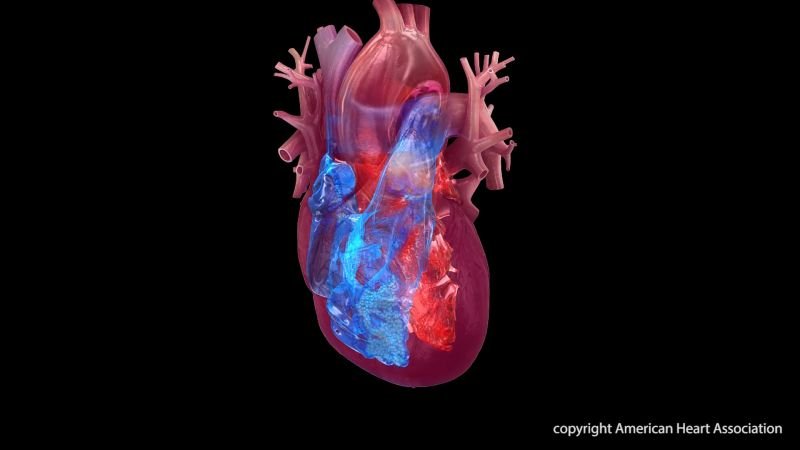
An African-led investigation into acute heart failure has been completed and published in The Lancet, marking a major milestone for cardiovascular research on the continent.
The THESUS-HF II study was coordinated through the Pan-African Society of Cardiology, or PASCAR, with support from the University of Cape Town’s Cape Heart Institute.
Researchers collected data from more than 1,500 acute heart failure cases at 50 hospitals across 17 African countries, making it the largest study of heart failure in Africa to date, according to the institute’s announcement.
The study was led by Professor Karen Sliwa, with investigators including Dr. Julia Hahnle, Professor Simon Stewart and collaborators across the continent. It builds on findings from the original THESUS-HF study conducted more than 15 years ago.
Researchers found that heart failure in Africa continues to affect patients who are 10 to 20 years younger than cases seen elsewhere in the world, often striking people of working age and affecting a large proportion of women.
The study also found that heart failure remains deadly, with one in 10 patients dying during hospitalization and one in five dying within six months, according to an Aug. 31 THESUS-HF II press release.
The findings suggest that the causes of heart failure in Africa are changing. Untreated high blood pressure and historically common diseases remain important contributors, but coronary artery disease linked to changing diets and other lifestyle factors is becoming more prominent.
“The study’s strengths are the scale, geographical breadth, a pragmatic design suited to resource-limited settings, and the first multi-country presentation-rate estimates for African acute heart failure,” Sliwa said in the announcement. She called the project “a real team effort” and thanked investigators who worked “often in very difficult scenarios without any remuneration.”
Stewart said the findings show both what has changed and what has not.
“Sadly, heart failure in Africa is still deadly and affects many young people of working age,” he said. “More encouragingly, access to life-saving medicines is improving.”
Hahnle, a Ph.D. candidate at the Cape Heart Institute, presented the study’s main findings Aug. 28 at the European Society of Cardiology’s annual congress in Munich. Stewart presented additional findings Aug. 30 as a late-breaking clinical science report.
PASCAR and the Cape Heart Institute said they plan to publish further reports on the impact and consequences of heart failure from an African perspective. They also plan to expand the network of sites and countries involved in future studies.
The publication of THESUS-HF II in The Lancet gives African clinicians a new evidence base drawn from patients treated on the continent, rather than relying primarily on research from high-income countries. It also strengthens efforts to build research capacity among African cardiovascular scientists.