

NEW YORK
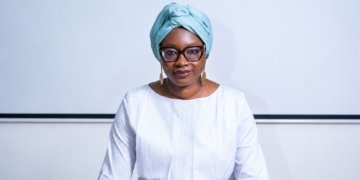
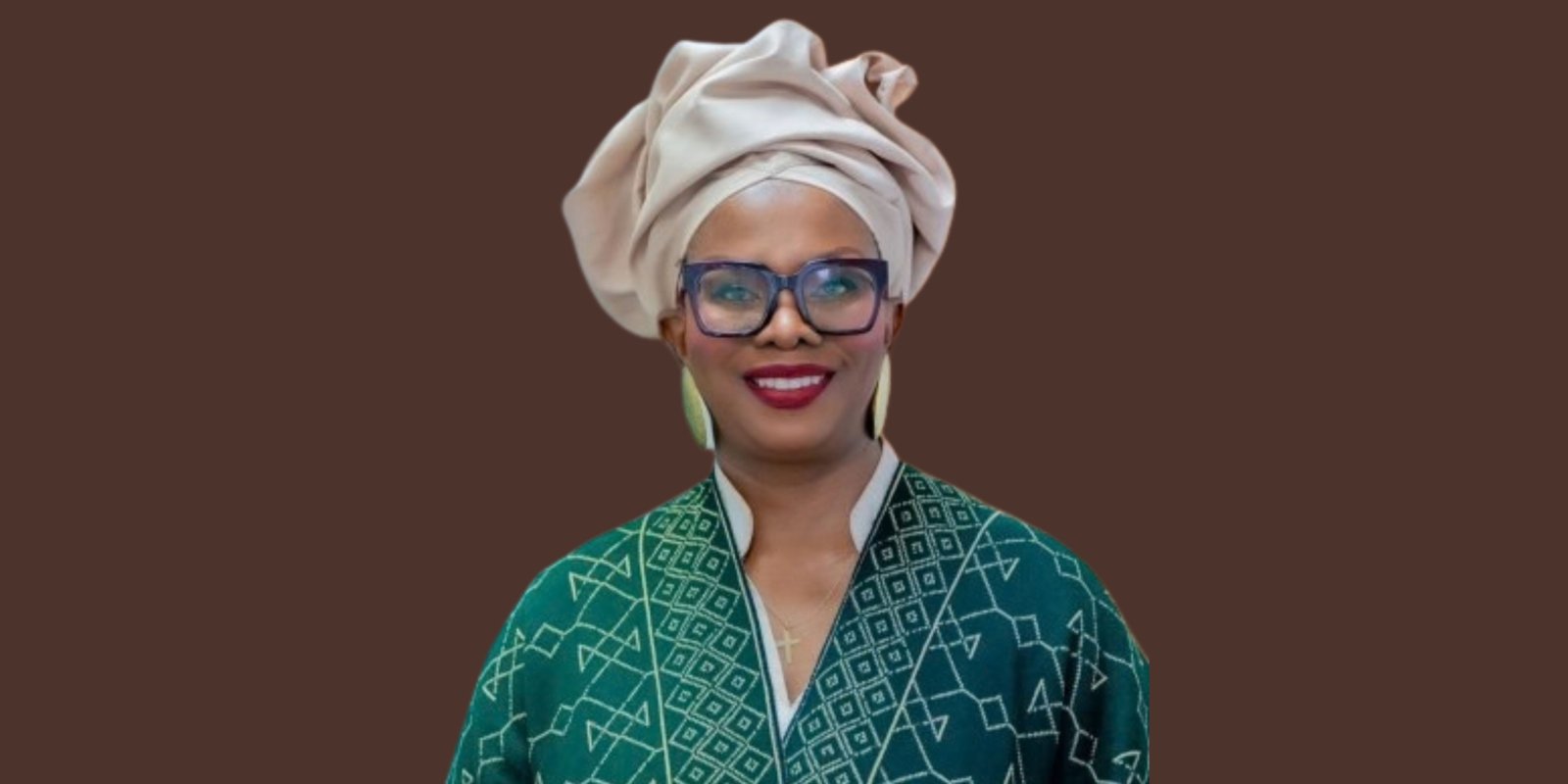
African Union Commissioner for Infrastructure and Energy Lerato Dorothy Mataboge has called for harmonized energy policies, coordinated investment and stronger cross-border electricity trade to address Africa’s energy deficit, as approximately 600 million people across the continent remain without access to electricity.
Speaking at the Global Africa Business Initiative’s (GABI) Unstoppable Africa 2026 event in New York, Mataboge said the continent needs $64 billion annually to close its electricity access gap and expand power generation.
She said Africa needs to install 26 gigawatts of electricity generation capacity annually through 2030, compared with the current pace of approximately 7 to 8 gigawatts a year.
“When it comes to energy, our continent, we need 26 gigawatts of installed capacity between now and 2030. We are currently only at about 7 to 8 gigawatts per annum. So there’s a big gap that we need to be closing,” Mataboge said.
She emphasized that addressing the continent’s energy deficit requires more than expanding electricity generation. African countries must also develop the capacity to finance, transmit and trade electricity across national borders.
“So before we even speak on sovereignty, it’s about understanding the problem that we are supposed to be addressing,” she said.
Policy harmonization key to regional energy trade
Mataboge identified policy harmonization and regional electricity trade as central to Africa’s pursuit of energy sovereignty, emphasizing the need for African countries to coordinate their energy systems and develop the capacity to exchange electricity across borders.
She said energy sovereignty depends on the ability of African Union member states to plan, finance, produce, transmit and trade electricity rather than focusing exclusively on domestic generation.
“For us, the sovereignty question is really around how do we ensure that our member states are able to plan, to finance, to produce, to transmit, and to trade in that energy?” she said.
According to Mataboge, cross-border electricity trade would support broader economic integration by encouraging countries to harmonize energy policies, establish interoperable systems and strengthen their capacity to make transnational payments.
She said the ability of African countries to trade electricity among themselves would demonstrate progress toward regional integration while creating opportunities for greater cooperation in energy infrastructure development.
The African Single Electricity Market (AfSEM), she explained, provides a framework for enabling member states to integrate their electricity systems and facilitate regional energy trade.
“Our key focus is to ensure that as our member states at national level generate electricity, they are able to trade it among ourselves,” she said.
Mataboge said the initiative is intended to support member states in developing interconnected electricity markets, allowing power generated in one country to be transmitted and supplied to neighboring states.
The approach places regional cooperation at the center of Africa’s energy strategy, with policy alignment and compatible infrastructure serving as essential components of an integrated continental electricity market.
Continental energy master plan to guide investment
Alongside AfSEM, the African Union is advancing a continental energy master plan designed to identify strategic electricity infrastructure projects and determine the financing required to integrate Africa’s energy systems.
Mataboge said the plan provides a framework for coordinating national and regional energy investments, with an emphasis on infrastructure that can facilitate electricity transmission between countries.
“That master plan identifies strategic energy projects and the financial requirements for all these projects for integrating the continent,” she said.
She described the African Union’s role as supporting policy harmonization and ensuring that member states develop compatible systems and processes to facilitate electricity trade.
“It’s about harmonizing, making sure that we’ve got interoperable processes,” she said.
Mataboge emphasized that national electricity generation must be accompanied by transmission infrastructure and regulatory coordination to enable countries to supply power beyond their borders.
She said the AU’s focus is to ensure that as member states develop their domestic electricity generation capacity, they can transmit surplus power to neighboring countries and contribute to a more integrated continental energy market.
The continental energy master plan and AfSEM are intended to complement each other by linking infrastructure planning and investment with the regulatory and market arrangements required for cross-border electricity trade.
Africa seeks greater influence in global economy
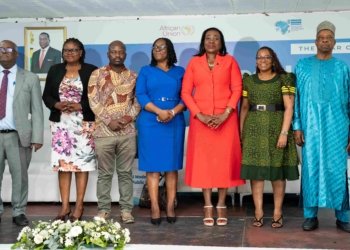
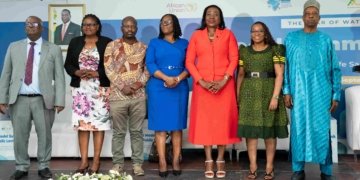
Mataboge’s remarks came as African business leaders, heads of state, investors, policymakers and international partners gathered in New York for Unstoppable Africa 2026, held alongside the 81st session of the United Nations General Assembly.
Organized by the Global Africa Business Initiative, the event brought together leaders to discuss Africa’s efforts to capture more value from its resources, accelerate investment and strengthen its influence in global trade and decision-making.
The gathering placed Africa’s business and investment agenda at the center of discussions about the continent’s role in the global economy, including the infrastructure and financing required to support economic transformation.
Energy access remains a central part of that agenda, with electricity shortages limiting opportunities for industrial development, business expansion and economic participation across the continent.
Mataboge’s remarks highlighted the importance of treating energy infrastructure as a continental priority, with coordinated planning, financing and policy harmonization needed to address electricity shortages and facilitate regional power trade.
By linking national electricity generation to cross-border transmission and trade, the African Union aims to strengthen cooperation among member states and establish a more integrated continental energy market.
Mataboge said the AU’s role is to help create the conditions for countries to generate electricity domestically while developing the infrastructure and regulatory systems needed to supply neighboring states.
She emphasized that the ability of African countries to trade electricity among themselves would strengthen regional integration and support the continent’s pursuit of energy sovereignty.