

NAIROBI
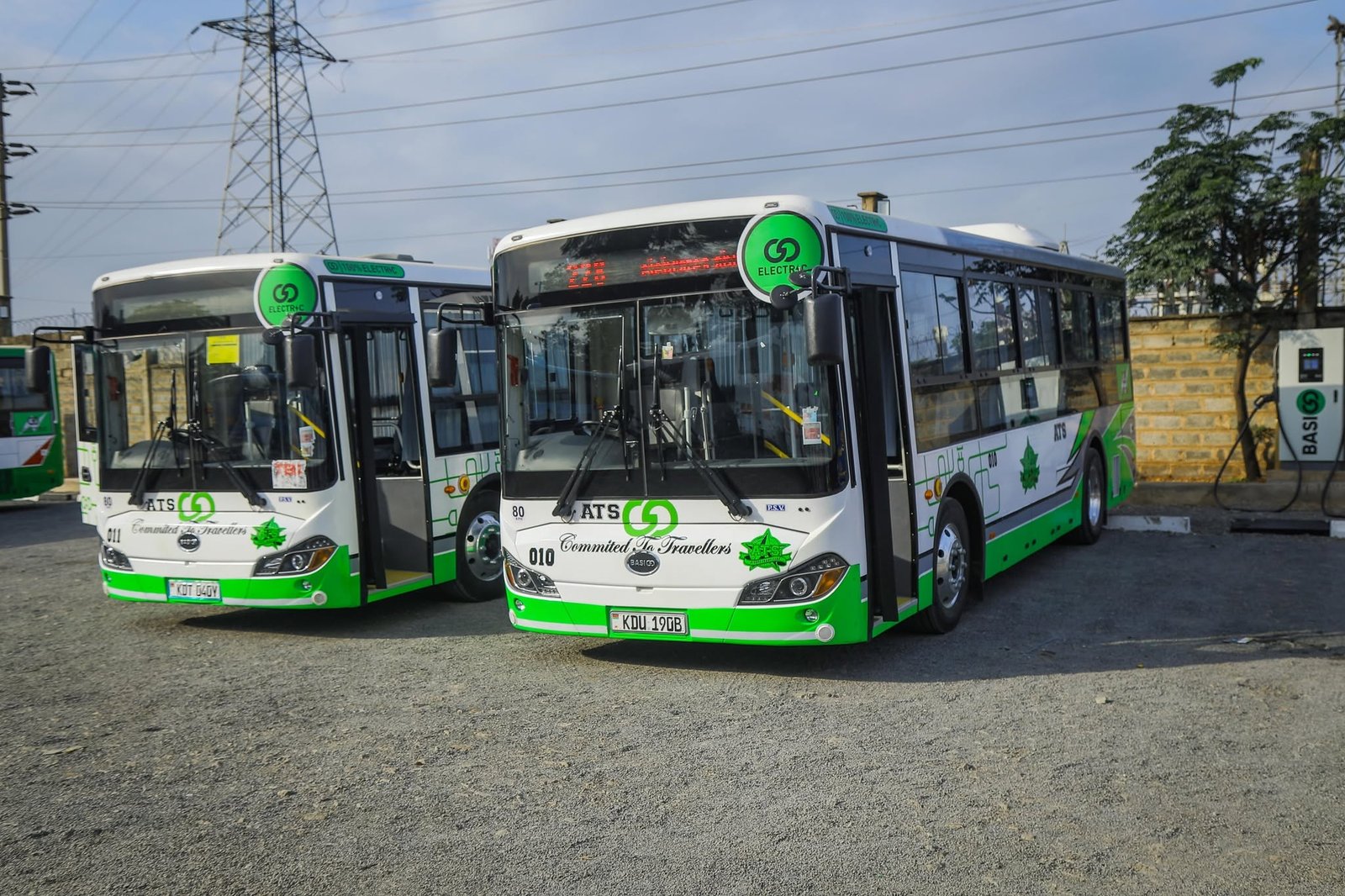
BasiGo has partnered with Rubis Energy Kenya to roll out fast-charging stations along major transport routes, a move aimed at enabling electric buses and vans to travel beyond Nairobi.
The agreement gives BasiGo access to Rubis Energy Kenya’s nationwide network of more than 300 service stations, creating potential charging locations on key highways and supporting the expansion of electric bus services.
The first station is already operating at the Rubis service station in Sabaki near Athi River. Three more stations in Meru, Nanyuki and Nyeri are expected to open by the end of July 2026.
The Sabaki site has 100-kilowatt DC fast chargers supporting CCS2 and GB/T charging standards. It can charge a typical passenger vehicle in under an hour at an indicative cost of 48 Kenyan shillings per kilowatt-hour.
The stations are open to the public and will also serve electric vans, trucks and other EVs.
Limited charging infrastructure outside Nairobi has been one of the biggest barriers to expanding electric public transport.
BasiGo began piloting intercity electric minibus routes last year linking Nairobi with Thika, Nyeri, Nakuru and Nyahururu, but growth was constrained by a lack of charging points.
The partnership gives BasiGo access to Rubis Energy Kenya’s network of more than 300 service stations.
“Scaling electric mobility requires infrastructure, and that’s exactly what this partnership with Rubis is building,” said Jit Bhattacharya, BasiGo’s CEO and co-founder.
“We are creating the infrastructure that will power EV operations beyond Nairobi and connect communities across Kenya,” Bhattacharya said.
BasiGo Kenya Managing Director Moses Nderitu said, “The question is no longer whether operators and the public want to go electric, but whether the infrastructure is in place to support them at scale.”
Rubis Energy Kenya Managing Director Frederic Maupetit said the company was supporting the transition to electric transport through its retail network.
Olivier Sabrie, CEO of Rubis Energy East and Southern Africa, said the partnership reflected the company’s shift “from fuel distributor to full energy partner.”
Founded in 2021, BasiGo now operates more than 100 electric buses in Kenya and Rwanda under a pay-as-you-drive leasing model. The company aims to deploy 1,000 electric buses in Kenya by 2027.
In April 2026, BasiGo’s electric bus project received Gold Standard certification, allowing it to generate carbon credits from emissions avoided by replacing diesel buses.
The company says each electric bus deployed in Nairobi instead of a diesel bus avoids more than 50 metric tons of carbon dioxide emissions each year.