
Bantu Gazette

Bantu Gazette
  • Policy & Governance
  • Development & Impact
  • Business, Trade & Economy
  • Energy
  • Changemakers
  • Culture & Identity
  • Perspectives
  • Magazine
Menu
  • Black Frame Studio
  • Magazine

Peace Requires Investment in the People Who Sustain It

Mame Khady Louise Diouf calls for sustained investment in women, young people and local communities to strengthen mediation, build trust and secure lasting peace across Africa.

Peace Requires Investment in the People Who Sustain It

Mame Khady Louise Diouf

Mame Khady Louise Dioufby Mame Khady Louise Diouf
September 21, 2026
Reading Time: 4 mins read

Peace Requires Investment in the People Who Sustain It

Mame Khady Louise Diouf calls for sustained investment in women, young people and local communities to strengthen mediation, build trust and secure lasting peace across Africa.

Peace Requires Investment in the People Who Sustain It

Mame Khady Louise Diouf

Peace Requires Investment in the People Who Sustain It

Mame Khady Louise Diouf

Mame Khady Louise Dioufby Mame Khady Louise Diouf
September 21, 2026
Reading Time: 4 mins read

Every peace process begins with a fundamental responsibility to create the conditions in which dialogue can take place, trust can develop and communities can shape a future grounded in dignity and security. The International Day of Peace offers an opportunity to examine how we fulfill that responsibility through sustained investment in the people and institutions that contribute to peace.

This year’s theme, “Invest in Peace for Everyone, Everywhere, Every Day,” recognizes the everyday contributions of people who sustain peace within their communities. It honors those affected by conflict who continue to rebuild relationships, foster dialogue and lay the groundwork for stability and lasting peace.

It also draws attention to women, youth and children, who bear significant burdens during conflict, and to the importance of ensuring that their experiences and needs inform peacebuilding and peacemaking efforts. Women, in particular, must have meaningful opportunities to participate in mediation, dialogue and decisions that shape the future of their communities.

My experience in mediation has reinforced the importance of structured dialogue, impartiality and sustained engagement in creating opportunities for negotiated solutions. The durability of these efforts depends on the capacities of communities to rebuild trust, strengthen social cohesion and contribute to the implementation of peace agreements.

This relationship between formal mediation and community participation deserves greater attention in how governments, mediation institutions and international partners invest in peace.

Communities must have a meaningful place in mediation

The Casamance peace process in Senegal offers an important perspective on the relationship between formal negotiations through political mediation and local mediation. Many experts emphasize the importance of engaging local populations and grassroots communities in the search for lasting peace.

This raises an essential consideration for mediation practitioners. Negotiated agreements create opportunities for parties to establish mutually acceptable solutions, while communities contribute to the relationships, confidence and cooperation necessary to sustain them.

The design of mediation processes must therefore reflect the experiences and aspirations of affected populations and create opportunities for their meaningful participation.

Through my involvement in peace processes, I have seen the importance of maintaining structured dialogue and creating conditions in which stakeholders can engage through credible and impartial mediation.

This experience has reinforced my conviction that peacemaking requires perseverance, confidence-building measures and continued engagement with those involved in the process.

Local communities play an essential role in this effort. Their knowledge of social relationships, community concerns and emerging tensions can inform mediation processes and strengthen the foundations for peaceful coexistence.

Their participation creates opportunities for negotiated solutions to reflect the realities of those whose lives are affected by conflict.

Women and young people are indispensable to this work because their contributions to conflict prevention, dialogue, and social cohesion provide valuable capacities that peacebuilding and peacemaking institutions must recognize and strengthen.

In my work, I have seen the vital role women play in preventing conflict, fostering dialogue, rebuilding trust, and strengthening social cohesion. Their experiences offer important perspectives on the concerns and aspirations of communities affected by conflict.

Evidence on women’s participation in formal peace processes shows the importance of translating these contributions into meaningful opportunities for engagement.

According to the United Nations, women accounted for 9.6% of negotiators and 13.7% of mediators globally in 2023. A 2024 United Nations policy paper also identifies substantial evidence linking women’s full, equal and meaningful participation to the successful negotiation, implementation and long-term sustainability of peace agreements.

These findings carry practical implications for mediation institutions. Women’s participation must be reflected in the design of negotiation frameworks, the development of mediation capacities and the mechanisms established to support the implementation of agreements.

Governments and international partners should invest in opportunities for women to participate as negotiators, mediators and decision-makers, while strengthening the capacities of community actors who contribute to dialogue and conflict prevention.

Such investment requires sustained institutional commitment and an understanding of the realities within which peace processes take place.

Investment must strengthen the foundations of lasting peace

Across Africa, mediation efforts operate within diverse political, social and cultural environments. These processes must reflect the interests and aspirations of affected communities while maintaining the impartiality and credibility needed for engagement among parties.

Governments, mediation organizations and development partners should strengthen local mediation capacities, support community dialogue mechanisms and create opportunities for women and young people to contribute throughout the different stages of peace processes.

This commitment must extend to implementing negotiated agreements, when communities need continued opportunities to address emerging tensions, rebuild relationships, and strengthen social cohesion.

International partners have an important role in supporting these efforts through sustained cooperation with local institutions and community actors. Their investment should strengthen locally grounded capacities and reinforce inclusive processes that reflect the needs and aspirations of affected populations.

Casamance’s experience illustrates the importance of patience and sustained engagement in protracted peace processes. It also demonstrates the value of considering how formal mediation and community involvement can reinforce one another in the pursuit of sustainable outcomes.

As we mark the International Day of Peace, governments, peacemaking and peacebuilding institutions should translate their commitments into sustained investment in the people and processes that contribute to peace every day.

Peace is built one step at a time, through sustained and inclusive efforts. Our responsibility is to strengthen the capacities, institutions and relationships that enable communities to participate in shaping their future and sustaining peace for generations to come.
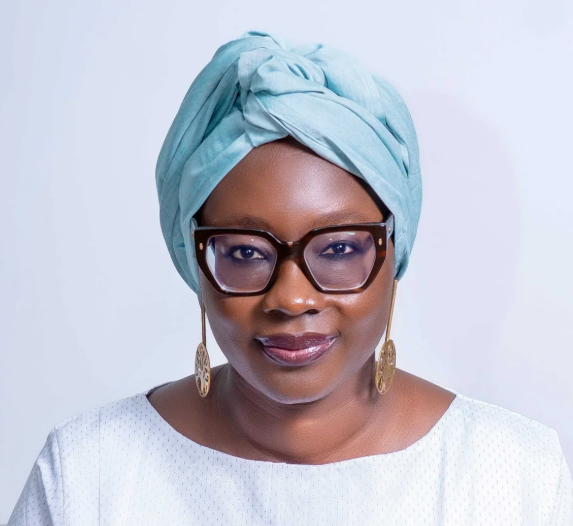


Mame Khady Diouf

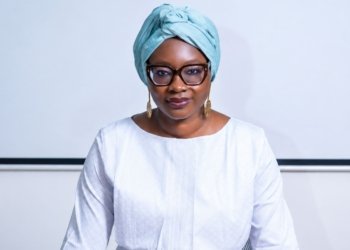
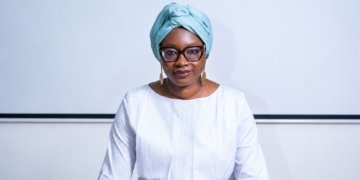
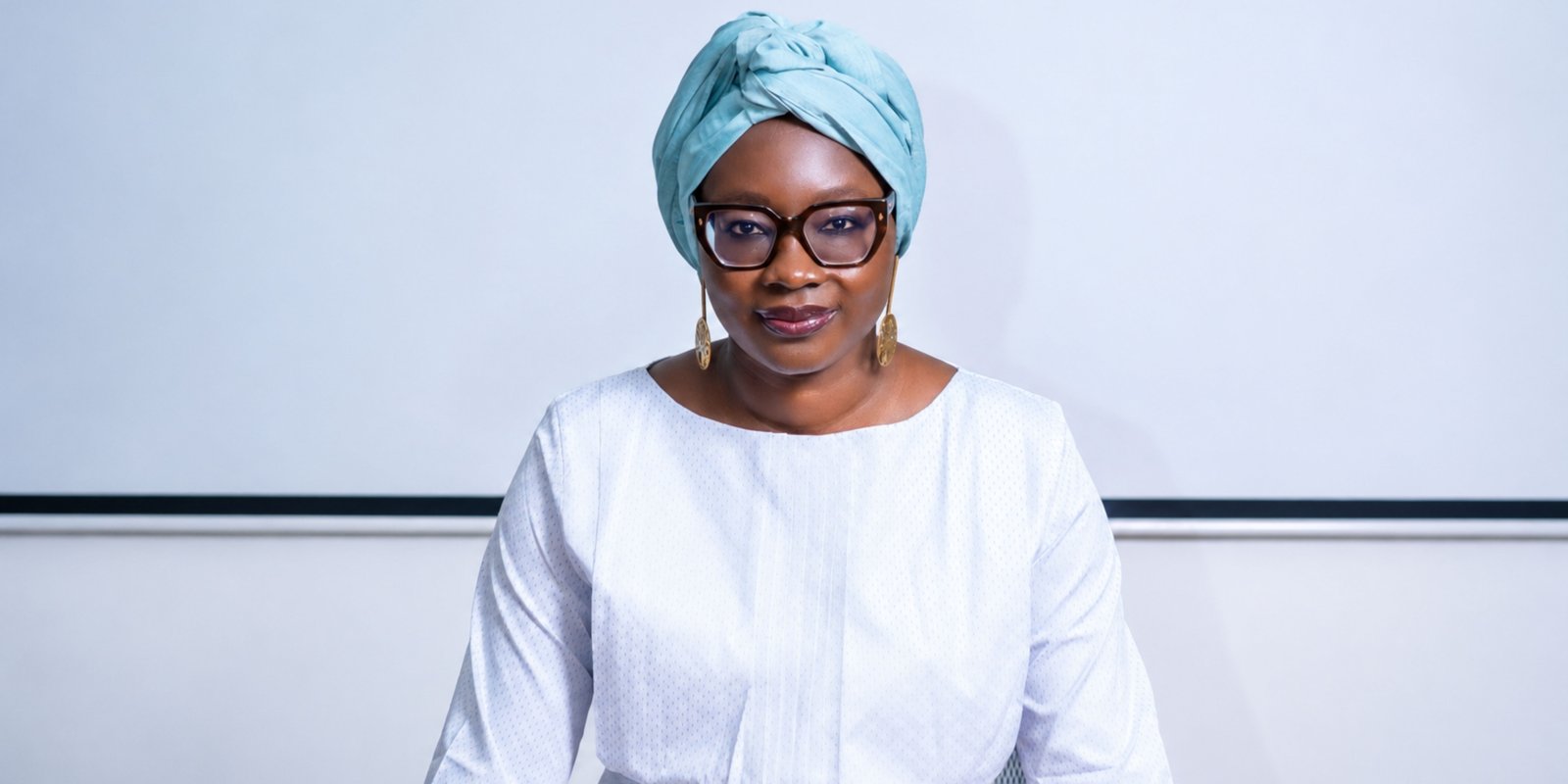
Mame Khady Dioufis a senior mediator and peace process leader with more than two decades of direct experience in armed conflict mediation, governance reform, and structured dialogue design across politically sensitive environments in West and Central Africa.

Get the inside Story

Stay informed on the stories shaping Africa’s future. Get breaking news, in-depth analysis, opinions and exclusive insights from across the continent delivered to your inbox, free and unfiltered.


Get in touch for more:
Felix Tih
Editorial Director, Bantu Gazette
WhatsApp
LinkedIn
X (Twitter)
Instagram

Related Posts

A Work Should Not Leave Africa Without Its History Traveling With It
Culture & Identity

A Work Should Not Leave Africa Without Its History Traveling With It

September 14, 2026
Africa IP Day | One Market, Many Intellectual Property Systems. Can AfCFTA Bridge the Gap?
Development & Impact

Africa IP Day | One Market, Many Intellectual Property Systems. Can AfCFTA Bridge the Gap?

September 12, 2026
Africa Cut Maternal Mortality for Two Decades. Why Did Progress Start Slowing in 2016?
Development & Impact

Africa Cut Maternal Mortality for Two Decades. Why Did Progress Start Slowing in 2016?

September 15, 2026
South Africa Allocates $1.7 Billion to Road Agency for Network Expansion
Business, Trade & Economy

South Africa Says 3% Growth Can Change Its Jobs Equation. Can It Get There?

September 1, 2026
Ghana’s Bad-Loan Problem is Becoming a Financial-Stability Story
Business, Trade & Economy

Ghana’s Bad-Loan Problem is Becoming a Financial-Stability Story

August 24, 2026
Africa Wants to Turn Diaspora Money into Investment
Development & Impact

Africa Wants to Turn Diaspora Money into Investment

August 23, 2026

Most Recent

Peace Requires Investment in the People Who Sustain It
Perspectives

Peace Requires Investment in the People Who Sustain It

by Mame Khady Louise Diouf
September 21, 2026
0

Mame Khady Louise Diouf calls for sustained investment in women, young people and local communities to strengthen mediation, build trust...

Read moreDetails
Kenya’s Agnes Ngetich Breaks World Half-Marathon Record in Copenhagen

Kenya’s Agnes Ngetich Breaks World Half-Marathon Record in Copenhagen

September 20, 2026
Mali’s $190 Million Power Project to Connect 10,000 Households

Senegal Advances National Energy Efficiency Strategy as Demand Rises

September 21, 2026
South Africa’s Motsepe Re-Elected as African Football Chief

CAF’s Motsepe Inspects Tanzania AFCON 2027 Preparations, Rules Out Replacement

September 21, 2026
Natural Diamond Producers Sign Beijing Declaration to Boost Industry Ties With China

Natural Diamond Producers Sign Beijing Declaration to Boost Industry Ties With China

September 21, 2026
Benin’s Wadagni Joins Kagame for Casual Evening Walk in Kigali

Benin’s Wadagni Joins Kagame for Casual Evening Walk in Kigali

September 18, 2026
Nairobi 2029 Puts Africa at the Heart of World Athletics

Nairobi 2029 Puts Africa at the Heart of World Athletics

September 18, 2026
Peace Requires Investment in the People Who Sustain It
Perspectives

Peace Requires Investment in the People Who Sustain It

by Mame Khady Louise Diouf
Reading Time: 4 mins read
September 21, 2026
0

Mame Khady Louise Diouf calls for sustained investment in women, young people and local communities to strengthen mediation, build trust...

Read moreDetails
Kenya’s Agnes Ngetich Breaks World Half-Marathon Record in Copenhagen
Sports

Kenya’s Agnes Ngetich Breaks World Half-Marathon Record in Copenhagen

by Jane Mukami
Reading Time: 1 min read
September 20, 2026
0

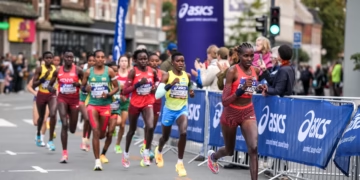
She clocked 1:05:15 to break the women-only world half-marathon record in Copenhagen, claiming her second world title of 2026 and...

Read moreDetails
Mali’s $190 Million Power Project to Connect 10,000 Households
Energy

Senegal Advances National Energy Efficiency Strategy as Demand Rises

by Aissatou Fall
Reading Time: 2 mins read
September 21, 2026
0

The West African country is refining a national energy efficiency strategy that could raise energy productivity, following modeling and stakeholder...

Read moreDetails

Peace Requires Investment in the People Who Sustain It

Mame Khady Louise Diouf calls for sustained investment in women, young people and local communities to strengthen mediation, build trust and secure lasting peace across Africa.

Peace Requires Investment in the People Who Sustain It

Mame Khady Louise Diouf

Every peace process begins with a fundamental responsibility to create the conditions in which dialogue can take place, trust can develop and communities can shape a future grounded in dignity and security. The International Day of Peace offers an opportunity to examine how we fulfill that responsibility through sustained investment in the people and institutions that contribute to peace.

This year’s theme, “Invest in Peace for Everyone, Everywhere, Every Day,” recognizes the everyday contributions of people who sustain peace within their communities. It honors those affected by conflict who continue to rebuild relationships, foster dialogue and lay the groundwork for stability and lasting peace.

It also draws attention to women, youth and children, who bear significant burdens during conflict, and to the importance of ensuring that their experiences and needs inform peacebuilding and peacemaking efforts. Women, in particular, must have meaningful opportunities to participate in mediation, dialogue and decisions that shape the future of their communities.

My experience in mediation has reinforced the importance of structured dialogue, impartiality and sustained engagement in creating opportunities for negotiated solutions. The durability of these efforts depends on the capacities of communities to rebuild trust, strengthen social cohesion and contribute to the implementation of peace agreements.

This relationship between formal mediation and community participation deserves greater attention in how governments, mediation institutions and international partners invest in peace.

Communities must have a meaningful place in mediation

The Casamance peace process in Senegal offers an important perspective on the relationship between formal negotiations through political mediation and local mediation. Many experts emphasize the importance of engaging local populations and grassroots communities in the search for lasting peace.

This raises an essential consideration for mediation practitioners. Negotiated agreements create opportunities for parties to establish mutually acceptable solutions, while communities contribute to the relationships, confidence and cooperation necessary to sustain them.

The design of mediation processes must therefore reflect the experiences and aspirations of affected populations and create opportunities for their meaningful participation.

Through my involvement in peace processes, I have seen the importance of maintaining structured dialogue and creating conditions in which stakeholders can engage through credible and impartial mediation.

This experience has reinforced my conviction that peacemaking requires perseverance, confidence-building measures and continued engagement with those involved in the process.

Local communities play an essential role in this effort. Their knowledge of social relationships, community concerns and emerging tensions can inform mediation processes and strengthen the foundations for peaceful coexistence.

Their participation creates opportunities for negotiated solutions to reflect the realities of those whose lives are affected by conflict.

Women and young people are indispensable to this work because their contributions to conflict prevention, dialogue, and social cohesion provide valuable capacities that peacebuilding and peacemaking institutions must recognize and strengthen.

In my work, I have seen the vital role women play in preventing conflict, fostering dialogue, rebuilding trust, and strengthening social cohesion. Their experiences offer important perspectives on the concerns and aspirations of communities affected by conflict.

Evidence on women’s participation in formal peace processes shows the importance of translating these contributions into meaningful opportunities for engagement.

According to the United Nations, women accounted for 9.6% of negotiators and 13.7% of mediators globally in 2023. A 2024 United Nations policy paper also identifies substantial evidence linking women’s full, equal and meaningful participation to the successful negotiation, implementation and long-term sustainability of peace agreements.

These findings carry practical implications for mediation institutions. Women’s participation must be reflected in the design of negotiation frameworks, the development of mediation capacities and the mechanisms established to support the implementation of agreements.

Governments and international partners should invest in opportunities for women to participate as negotiators, mediators and decision-makers, while strengthening the capacities of community actors who contribute to dialogue and conflict prevention.

Such investment requires sustained institutional commitment and an understanding of the realities within which peace processes take place.

Investment must strengthen the foundations of lasting peace

Across Africa, mediation efforts operate within diverse political, social and cultural environments. These processes must reflect the interests and aspirations of affected communities while maintaining the impartiality and credibility needed for engagement among parties.

Governments, mediation organizations and development partners should strengthen local mediation capacities, support community dialogue mechanisms and create opportunities for women and young people to contribute throughout the different stages of peace processes.

This commitment must extend to implementing negotiated agreements, when communities need continued opportunities to address emerging tensions, rebuild relationships, and strengthen social cohesion.

International partners have an important role in supporting these efforts through sustained cooperation with local institutions and community actors. Their investment should strengthen locally grounded capacities and reinforce inclusive processes that reflect the needs and aspirations of affected populations.

Casamance’s experience illustrates the importance of patience and sustained engagement in protracted peace processes. It also demonstrates the value of considering how formal mediation and community involvement can reinforce one another in the pursuit of sustainable outcomes.

As we mark the International Day of Peace, governments, peacemaking and peacebuilding institutions should translate their commitments into sustained investment in the people and processes that contribute to peace every day.

Peace is built one step at a time, through sustained and inclusive efforts. Our responsibility is to strengthen the capacities, institutions and relationships that enable communities to participate in shaping their future and sustaining peace for generations to come.


Mame Khady Diouf

Mame Khady Dioufis a senior mediator and peace process leader with more than two decades of direct experience in armed conflict mediation, governance reform, and structured dialogue design across politically sensitive environments in West and Central Africa.

Peace Requires Investment in the People Who Sustain It

Mame Khady Louise Diouf calls for sustained investment in women, young people and local communities to strengthen mediation, build trust and secure lasting peace across Africa.

Peace Requires Investment in the People Who Sustain It

Mame Khady Louise Diouf

Mame Khady Louise Dioufby Mame Khady Louise Diouf
September 21, 2026

Every peace process begins with a fundamental responsibility to create the conditions in which dialogue can take place, trust can develop and communities can shape a future grounded in dignity and security. The International Day of Peace offers an opportunity to examine how we fulfill that responsibility through sustained investment in the people and institutions that contribute to peace.

This year’s theme, “Invest in Peace for Everyone, Everywhere, Every Day,” recognizes the everyday contributions of people who sustain peace within their communities. It honors those affected by conflict who continue to rebuild relationships, foster dialogue and lay the groundwork for stability and lasting peace.

It also draws attention to women, youth and children, who bear significant burdens during conflict, and to the importance of ensuring that their experiences and needs inform peacebuilding and peacemaking efforts. Women, in particular, must have meaningful opportunities to participate in mediation, dialogue and decisions that shape the future of their communities.

My experience in mediation has reinforced the importance of structured dialogue, impartiality and sustained engagement in creating opportunities for negotiated solutions. The durability of these efforts depends on the capacities of communities to rebuild trust, strengthen social cohesion and contribute to the implementation of peace agreements.

This relationship between formal mediation and community participation deserves greater attention in how governments, mediation institutions and international partners invest in peace.

Communities must have a meaningful place in mediation

The Casamance peace process in Senegal offers an important perspective on the relationship between formal negotiations through political mediation and local mediation. Many experts emphasize the importance of engaging local populations and grassroots communities in the search for lasting peace.

This raises an essential consideration for mediation practitioners. Negotiated agreements create opportunities for parties to establish mutually acceptable solutions, while communities contribute to the relationships, confidence and cooperation necessary to sustain them.

The design of mediation processes must therefore reflect the experiences and aspirations of affected populations and create opportunities for their meaningful participation.

Through my involvement in peace processes, I have seen the importance of maintaining structured dialogue and creating conditions in which stakeholders can engage through credible and impartial mediation.

This experience has reinforced my conviction that peacemaking requires perseverance, confidence-building measures and continued engagement with those involved in the process.

Local communities play an essential role in this effort. Their knowledge of social relationships, community concerns and emerging tensions can inform mediation processes and strengthen the foundations for peaceful coexistence.

Their participation creates opportunities for negotiated solutions to reflect the realities of those whose lives are affected by conflict.

Women and young people are indispensable to this work because their contributions to conflict prevention, dialogue, and social cohesion provide valuable capacities that peacebuilding and peacemaking institutions must recognize and strengthen.

In my work, I have seen the vital role women play in preventing conflict, fostering dialogue, rebuilding trust, and strengthening social cohesion. Their experiences offer important perspectives on the concerns and aspirations of communities affected by conflict.

Evidence on women’s participation in formal peace processes shows the importance of translating these contributions into meaningful opportunities for engagement.

According to the United Nations, women accounted for 9.6% of negotiators and 13.7% of mediators globally in 2023. A 2024 United Nations policy paper also identifies substantial evidence linking women’s full, equal and meaningful participation to the successful negotiation, implementation and long-term sustainability of peace agreements.

These findings carry practical implications for mediation institutions. Women’s participation must be reflected in the design of negotiation frameworks, the development of mediation capacities and the mechanisms established to support the implementation of agreements.

Governments and international partners should invest in opportunities for women to participate as negotiators, mediators and decision-makers, while strengthening the capacities of community actors who contribute to dialogue and conflict prevention.

Such investment requires sustained institutional commitment and an understanding of the realities within which peace processes take place.

Investment must strengthen the foundations of lasting peace

Across Africa, mediation efforts operate within diverse political, social and cultural environments. These processes must reflect the interests and aspirations of affected communities while maintaining the impartiality and credibility needed for engagement among parties.

Governments, mediation organizations and development partners should strengthen local mediation capacities, support community dialogue mechanisms and create opportunities for women and young people to contribute throughout the different stages of peace processes.

This commitment must extend to implementing negotiated agreements, when communities need continued opportunities to address emerging tensions, rebuild relationships, and strengthen social cohesion.

International partners have an important role in supporting these efforts through sustained cooperation with local institutions and community actors. Their investment should strengthen locally grounded capacities and reinforce inclusive processes that reflect the needs and aspirations of affected populations.

Casamance’s experience illustrates the importance of patience and sustained engagement in protracted peace processes. It also demonstrates the value of considering how formal mediation and community involvement can reinforce one another in the pursuit of sustainable outcomes.

As we mark the International Day of Peace, governments, peacemaking and peacebuilding institutions should translate their commitments into sustained investment in the people and processes that contribute to peace every day.

Peace is built one step at a time, through sustained and inclusive efforts. Our responsibility is to strengthen the capacities, institutions and relationships that enable communities to participate in shaping their future and sustaining peace for generations to come.

Mame Khady Diouf

Mame Khady Dioufis a senior mediator and peace process leader with more than two decades of direct experience in armed conflict mediation, governance reform, and structured dialogue design across politically sensitive environments in West and Central Africa.

Get the inside Story

Stay informed on the stories shaping Africa’s future. Get breaking news, in-depth analysis, opinions and exclusive insights from across the continent delivered to your inbox, free and unfiltered.


Get in touch for more:
Felix Tih
Editorial Director, Bantu Gazette
WhatsApp
LinkedIn
X (Twitter)
Instagram

Related Posts

A Work Should Not Leave Africa Without Its History Traveling With It

A Work Should Not Leave Africa Without Its History Traveling With It

by Munira Bonnet
September 12, 2026
0

...

Africa IP Day | One Market, Many Intellectual Property Systems. Can AfCFTA Bridge the Gap?

Africa IP Day | One Market, Many Intellectual Property Systems. Can AfCFTA Bridge the Gap?

by Felix Tih
September 10, 2026
0

...

Africa Cut Maternal Mortality for Two Decades. Why Did Progress Start Slowing in 2016?

Africa Cut Maternal Mortality for Two Decades. Why Did Progress Start Slowing in 2016?

by Felix Tih
September 10, 2026
0

...

South Africa Allocates $1.7 Billion to Road Agency for Network Expansion

South Africa Says 3% Growth Can Change Its Jobs Equation. Can It Get There?

by Monica Brown
August 27, 2026
0

...

Ghana’s Bad-Loan Problem is Becoming a Financial-Stability Story

Ghana’s Bad-Loan Problem is Becoming a Financial-Stability Story

by Felix Tih
August 24, 2026
0

...

Africa Wants to Turn Diaspora Money into Investment

Africa Wants to Turn Diaspora Money into Investment

by Felix Tih
August 21, 2026
0

...

Peace Requires Investment in the People Who Sustain It
Perspectives

Peace Requires Investment in the People Who Sustain It

by Mame Khady Louise Diouf
Reading Time: 4 mins read
September 21, 2026
0

Mame Khady Louise Diouf calls for sustained investment in women, young people and local communities to strengthen mediation, build trust...

Read moreDetails
Kenya’s Agnes Ngetich Breaks World Half-Marathon Record in Copenhagen

Kenya’s Agnes Ngetich Breaks World Half-Marathon Record in Copenhagen

by Jane Mukami
September 20, 2026
0

She clocked 1:05:15 to break the women-only world half-marathon record in Copenhagen, claiming her second world title of 2026 and...

Mali’s $190 Million Power Project to Connect 10,000 Households

Senegal Advances National Energy Efficiency Strategy as Demand Rises

by Aissatou Fall
September 18, 2026
0

The West African country is refining a national energy efficiency strategy that could raise energy productivity, following modeling and stakeholder...

South Africa’s Motsepe Re-Elected as African Football Chief

CAF’s Motsepe Inspects Tanzania AFCON 2027 Preparations, Rules Out Replacement

by Doyinsola Ibidunni
September 18, 2026
0

CAF president Patrice Motsepe backs Tanzania, Kenya and Uganda to deliver AFCON 2027 while acknowledging key infrastructure work must accelerate...

Natural Diamond Producers Sign Beijing Declaration to Boost Industry Ties With China

Natural Diamond Producers Sign Beijing Declaration to Boost Industry Ties With China

by Sethunya Marang Motoutwane
September 17, 2026
0

African diamond producers are seeking closer ties with China as weaker demand and lab-grown stones put pressure on the natural...

Bantu Gazette is a pioneering news platform that champions Africa's development, culture, and heritage. We spotlight the continent's successes, address its challenges, and provide insightful coverage of events that shape its future.

Bantu Gazette is a pioneering news platform that champions Africa's development, culture, and heritage. We spotlight the continent's successes, address its challenges, and provide insightful coverage of events that shape its future.

Our Platforms

  • Bantu Magazine
  • Bantu Brief
  • Black Frame Studio

Our Services

  • Bantu Agency
  • Advertise
  • Partnerships

Our Services

  • Editorial Director
  • Opportunities
  • Contact

Bantu Gazette is a pioneering news platform that champions Africa's development, culture, and heritage. We spotlight the continent's successes, address its challenges, and provide insightful coverage of events that shape its future.

Our Platforms

  • Bantu Magazine
  • Bantu Brief
  • Black Frame Studio

Our Services

  • Bantu Agency
  • Advertise
  • Partnerships

Our Services

  • Editorial Director
  • Opportunities
  • Contact
Bantu Gazette
  • Energy & Trade
  • Finance
  • Health
  • Politics & Economy
  • Technology
  • Environment
  • Feature
  • Opinion
  • Changemakers
  • Tourism & Culture
  • Magazine