
A child eating ice cream can become an idea. So can a change in the weather, a gathering in the street or a moment of laughter between neighbors.
On the Cape Flats, Stanton Europa pays close attention to these everyday details and turns them into material for his art.
The Cape Town-based multidisciplinary artist, photographer and creative director has built his practice around the people, experiences and visual character of the community where he grew up. His work combines photography, digital design and geometry to explore identity, ancestry, resilience and African unity.
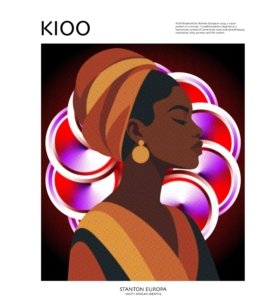
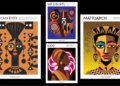
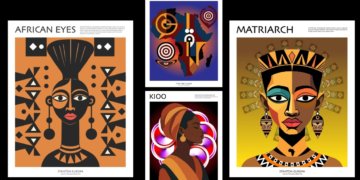
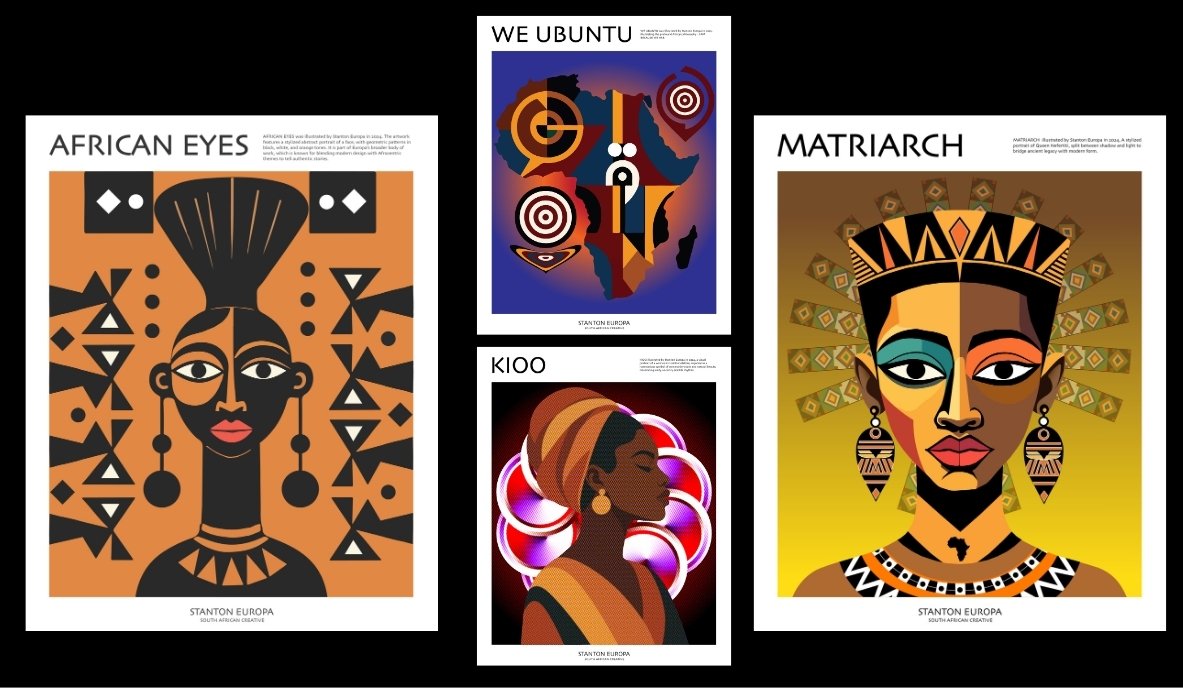
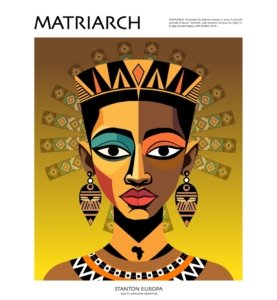
His digital artwork “We Ubuntu” brings those ideas together through clean geometric lines, warm earth tones and an aesthetic Europa describes as liquid futurism. The work draws from the African philosophy of Ubuntu and places shared identity at the center of his vision for the continent.
Ubuntu is a philosophy rooted in African traditions that emphasizes humanity, interconnectedness and collective well-being. It reflects the belief that a person’s identity and humanity develop through relationships with others, placing community, mutual respect and shared responsibility at the heart of social life.
Through “We Ubuntu,” Europa seeks to communicate this sense of belonging to audiences across the continent, connecting the experiences of individual communities to a wider African identity.
“When someone in Cameroon, Nigeria, Kenya or anywhere across the continent looks at ‘We Ubuntu,’ I want them to instantly feel a deep sense of shared identity, unity and pride,” he said.
From the Cape Flats to digital art
Europa grew up on the Cape Flats in Cape Town, South Africa, where vibrant cultural traditions and strong community ties shaped his early experiences. The area also faced challenges related to crime, while local community programs provided opportunities for young people to explore their interests and develop new skills.
Europa participated in these programs and found inspiration in the relationships and everyday interactions around him. He recalls “the happiness on people’s faces, laughter and unity” as some of the experiences that influenced his artistic outlook.
His introduction to art began with fine art and sketching before he developed an interest in photography. He started taking photographs with his mobile phone and later acquired a camera, gradually expanding his practice into graphic design and digital illustration.
Access to equipment presented challenges during his early development. The limited availability of cameras and laptops affected his ability to pursue photography and develop his creative skills, although he continued working with the resources available to him.
“My path into art came from a natural urge to document and transform the world right in front of me,” Europa said.
“Growing up, observing the vibrant energy, character and raw resilience of everyday life in Cape Town made me realize that our everyday stories deserved to be elevated into high art.”
His interest in documenting community life eventually developed into a multidisciplinary approach that brought photography, illustration and digital design together.
“Taking art seriously happened when I began combining street and narrative photography with digital design and graphic illustration,” he said.
Europa’s creative process often begins with a message he wants to communicate. Social and political developments, along with the struggles of people in his community, influence the themes he explores. His work seeks to offer encouragement while creating a visual record of the experiences that shape everyday life.
“We Ubuntu” reflects this approach through its focus on African solidarity and the continent’s capacity to overcome adversity. Europa uses contemporary digital forms to express cultural ideas that connect communities across generations and national boundaries.
“Through clean geometric lines, warm earth tones and liquid futurism, I aim to show that our shared heritage isn’t just rooted in our past. It’s dynamic, forward-looking and intrinsically connected across all of Africa,” he said.
Europa believes audiences may connect with the artwork through experiences shaped by their own communities. Viewers from the Cape Flats may recognize familiar aspects of neighborhood life, while people elsewhere in Africa may identify with its broader themes of heritage and unity.
“Someone in Cape Town, especially on the Cape Flats where I’m based, might connect with the local nuances, community resilience and everyday street narratives that ground my work,” he said. “Across the broader continent, the artwork transcends geographical borders.”
Shaping the future of African visual culture
Europa’s ambitions extend into the wider African creative industry, where he hopes to contribute to the development of contemporary visual storytelling through digital innovation and cross-border collaboration.
“Over the next five to 10 years, I want my work to push the boundaries of modern African design by merging street-level narrative storytelling with digital innovation and liquid futurist aesthetics,” he said.
His interest in collaboration reflects the communal values expressed in “We Ubuntu.” Europa sees exhibitions, music, creative programs and publications as platforms through which African artists can share their work, exchange ideas and build stronger cultural connections across the continent.
He also wants to use his growing creative practice to support emerging artists, particularly young people from communities where access to equipment and professional opportunities remains limited.
Europa’s own experience of working with limited resources has shaped his interest in improving access to creative tools and opportunities. He hopes to develop a career that contributes to the wider creative sector while helping young artists pursue their ambitions.
“Beyond my individual art, I want my place in this landscape to be defined by impact, opening pathways for local youth, providing creative resources and proving that world-class visual art and futuristic design can emerge straight from our local communities in Cape Town and resonate on a global stage,” he said.
His ambitions reflect the principles that inform “We Ubuntu,” particularly the relationship between individual achievement and collective progress. Europa sees his artistic development as an opportunity to bring greater visibility to African experiences while creating space for other voices.
“Seeing how visual art could give power to local voices, preserve community heritage and evoke strong emotion convinced me that this wasn’t just a passion. It was my calling as a multidisciplinary visual artist and creative director,” he said.
Europa continues to develop a practice shaped by his experiences on the Cape Flats and his interest in Africa’s evolving visual culture. Through “We Ubuntu,” he expresses a vision of shared identity grounded in community and carried forward through contemporary design.
His plans to create opportunities for young artists give that vision a practical direction, connecting the philosophy of Ubuntu with his ambition to expand access, strengthen collaboration and bring African stories to audiences around the world.