

GABORONE, Botswana
Traditional dishes such as seswaa, bogobe, phane and dikgobe are an important part of Botswana’s cultural identity. Beyond preserving culinary traditions, these foods could also help attract visitors, support local businesses and create economic opportunities for communities.
The potential of Botswana’s culinary heritage was among the key discussions at the International Forum of Africa Gastronomy (FIGA), hosted by the Ministry of Tourism in Gaborone from Nov. 11-14.
The forum brought together more than 100 participants from across Africa, including professionals in the culinary, tourism and hospitality industries, entrepreneurs and farmers.
Opening the event, Botswana Tourism Organisation acting CEO Justice Ofentse spoke about the connection between food, culture and tourism.
“Food tells the story of a place. It speaks of the land and its seasons, of the livelihood of its communities and of knowledge passed down from one generation to the next,” he said.
Ofentse highlighted the importance of making Botswana’s traditional cuisine more visible within the tourism industry, particularly in hotels, restaurants and cultural events.
He cited the World Economic Forum’s Travel and Tourism Development Index, referring to a reported 15% increase in online demand for cultural and entertainment attractions, including gastronomy, between 2024 and 2026.
“Through dishes such as the seswaa, bogobe, phane, delele, tswii, and dikgobe, we can share something of who we are,” he said.
Creating opportunities through food
Beyond attracting visitors, culinary tourism could provide economic opportunities for farmers, caterers, food processors and other local suppliers.
Ofentse emphasised the importance of sourcing food locally to strengthen the relationship between tourism and agriculture.
He also identified culinary tourism as a potential source of employment and entrepreneurship for women and young people.
Responsible sourcing and the use of seasonal produce were also discussed as ways to promote sustainability within the industry.
The role of community members and home cooks in preserving traditional food knowledge was another important consideration, particularly as Botswana explores ways to develop its culinary tourism offering.
These discussions formed part of the forum’s four main areas of focus, which included culinary tourism, gastronomy as an economic driver, culinary entrepreneurship and intellectual property in gastronomy.
Participants explored how the country could develop tourism experiences around traditional food and hospitality, support sustainable culinary businesses and protect innovations within the culinary industry.
Traditional ingredients, new approaches
Cooking competitions held during the forum provided an opportunity to demonstrate the diversity of African cuisine and the tourism potential of traditional cooking practices.
One competition featured participants from Botswana, South Africa and Zimbabwe, highlighting how inherited cooking methods could be developed into culinary experiences for visitors.
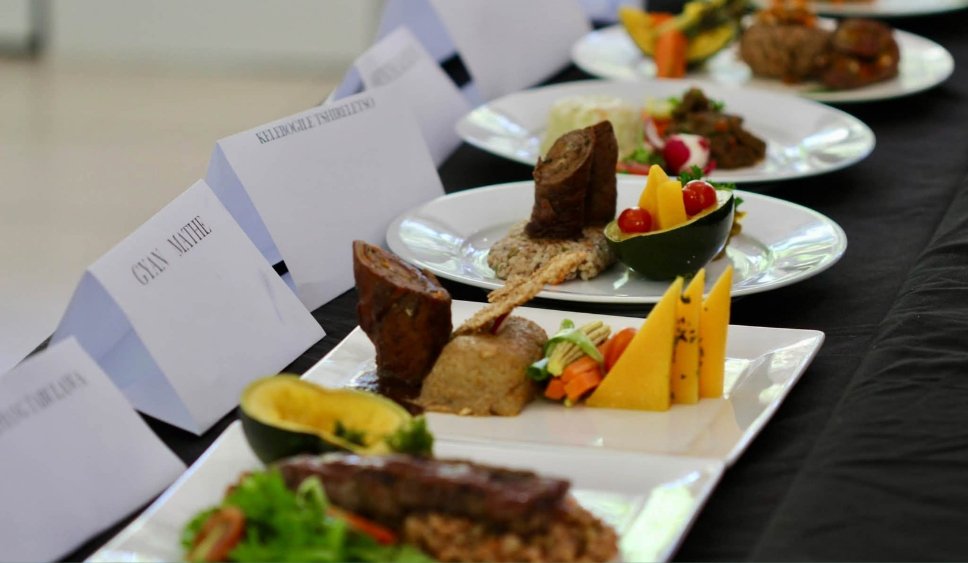
Another brought together professional chefs from the hotel industry, who were challenged to prepare modern interpretations of traditional dishes using Botswana’s indigenous ingredients.
The ingredients included mosutlhwane, game meat and lengalengale, allowing chefs to demonstrate their creativity while drawing on local culinary traditions.
The competitions highlighted how Botswana’s food heritage could be developed into a tourism attraction while maintaining its cultural significance.
The forum also reinforced the importance of collaboration among tourism businesses, local producers, entrepreneurs and communities in developing the culinary industry.