


The African Continental Free Trade Area is accelerating efforts to deepen digital trade and regional integration through a series of high-level engagements and capacity-building programs across the continent.
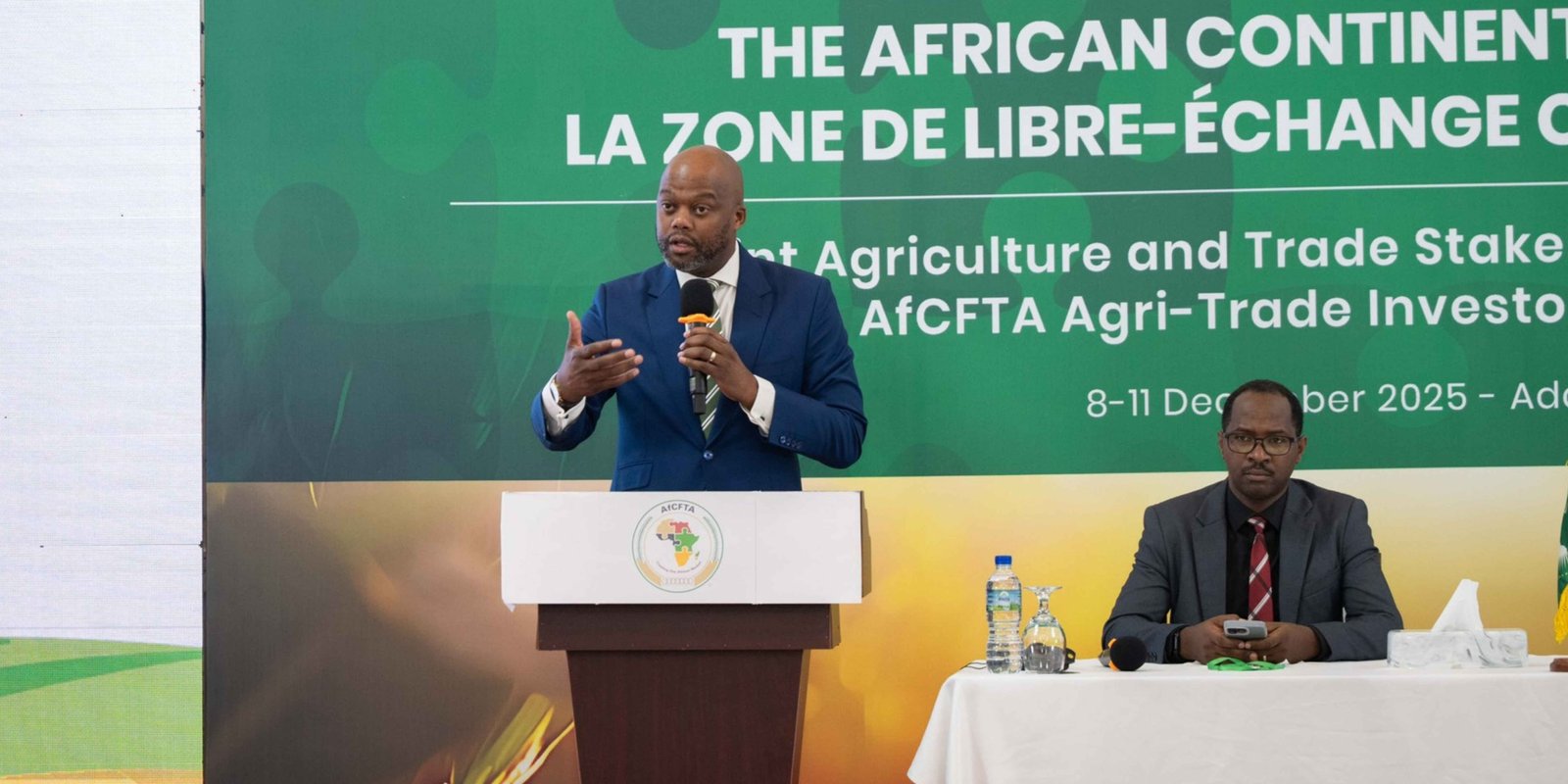
In Addis Ababa, Ethiopia, the Secretariat recently hosted two days of consultations with stakeholders in agriculture and trade.
Secretary-General Wamkele Mene emphasized the importance of the Agri-Food Trade Action Plan, calling it a practical tool to connect Africa’s production capacity with domestic markets.
He noted that digital tools, improved border processes and better value chain coordination can boost competitiveness and help small businesses expand regionally.
Also in Addis Ababa, Mene spoke at the Ethiopia Digital Payments Conference 2.0, where he highlighted the country’s progress in building an inclusive and interoperable payments ecosystem.
The event included the launch of a new National Digital Payments Strategy and an Instant Payment System, developments that could expand participation for small enterprises and facilitate smoother cross-border trade.

From Dec. 9 to 12 in Nairobi, the 10th Meeting of the Committee on Digital Trade focused on advancing key areas for implementing the Protocol on Digital Trade.
The African Continental Free Trade Area (AfCFTA) spans 54 of the African Union’s 55 member states and is the world’s largest free trade zone by number of participants.
The agreement sets a continent-wide legal framework to support inclusive, secure and seamless cross-border digital trade.
In Burundi, a three-day capacity-building workshop in the capital, Bujumbura, focused on strengthening the free trade area’s dispute-resolution system.
Running from Dec. 8 to 10, the program included participants from Central Africa, including Burundi, Cameroon, Chad and the Democratic Republic of Congo.
The training aimed to equip officials with the tools to resolve trade disputes transparently and predictably, reinforcing trust in the legal foundation of the trade area.