

Bantu Gazette

Bantu Gazette
  • Energy & Trade
  • Finance
  • Health
  • Politics & Economy
  • Technology
  • Environment
  • Feature
  • Opinion
  • Changemakers
  • Tourism & Culture
  • Sports
  • Magazine
Menu
  • Black Frame Studio
  • Magazine

Zimbabwe to Ban Lithium Concentrate Exports as Africa Pushes Value-Added Mining

Zimbabwe to Ban Lithium Concentrate Exports as Africa Pushes Value-Added Mining
Refilwe Queenby Refilwe Queen
June 25, 2025
Reading Time: 3 mins read

Zimbabwe to Ban Lithium Concentrate Exports as Africa Pushes Value-Added Mining

Zimbabwe to Ban Lithium Concentrate Exports as Africa Pushes Value-Added Mining
Refilwe Queenby Refilwe Queen
July 21, 2025
Reading Time: 3 mins read

PRETORIA – Zimbabwe plans to prohibit exports of lithium concentrate starting in 2027, escalating the southern African nation’s push to transform its mining industry from a raw materials supplier into a higher-value processor of battery components.

The ban extends a 2022 prohibition on raw lithium ore exports and will impact major producers including Bikita Minerals and Prospect Lithium Zimbabwe, backed by Chinese investors.

Mines Minister Winston Chitando confirmed the policy aims to boost local beneficiation, generate employment, and establish Zimbabwe as a more significant player in the global battery supply chain.

The stakes are considerable. Zimbabwe ranked as Africa’s second-largest spodumene concentrate exporter to China in the first quarter of 2025, shipping approximately 209,000 tonnes of concentrate equivalent to about 25,800 tonnes of lithium carbonate.

This volume represents substantial foreign exchange earnings that the government now wants to multiply through downstream processing.

Lithium concentrate serves as the essential raw material for producing lithium carbonate and lithium hydroxide, the key compounds used in manufacturing lithium-ion batteries for electric vehicles, smartphones, and energy storage systems.

The concentrate also gets processed into specialized lithium chemicals for glass manufacturing, ceramics, pharmaceuticals, and industrial lubricants.

global battery demand projected to grow exponentially as countries transition to renewable energy and electric transportation, control over lithium processing represents increasingly strategic economic leverage.

Chinese companies have poured investment into Zimbabwe’s lithium sector, and the ban forces them to consider establishing processing facilities domestically.

While this could accelerate technology transfer and industrial development, Zimbabwe faces significant infrastructure constraints including unreliable electricity supply and a shortage of skilled technicians.

Policy reflects a broader continental shift toward resource nationalism

Namibia and Botswana have implemented similar beneficiation requirements for their critical minerals, while South Africa recently unveiled a Critical Minerals Strategy emphasizing downstream processing, research initiatives, and regional integration.

South Africa has allocated substantial budget resources for green hydrogen and battery storage projects as part of its ambition to become a regional industrial hub.

Infrastructure deficits and skills shortages threaten to undermine these beneficiation goals, while volatile global lithium prices add uncertainty to investment decisions.

Zimbabwe has already delayed portions of its policy amid price declines, highlighting the risks of advancing too rapidly without adequate industrial foundations.

Mining executives and development experts emphasize that success will require enhanced regional coordination through frameworks like the African Union’s Green Minerals Strategy and the African Continental Free Trade Area.

Fragmented national approaches risk weakening collective bargaining power with international investors and diluting the impact of individual policies.

Zimbabwe’s export prohibition represents one of the most assertive moves by an African government to claim greater value from its mineral wealth. The outcome will likely influence similar policies across the continent as resource-rich nations balance the immediate revenue from raw material exports against the longer-term benefits of industrial development.

Market analysts note that lithium prices have declined from their 2022 peaks, reducing the immediate financial pressure on battery manufacturers while giving governments more leverage to impose processing requirements.

The timing of Zimbabwe’s ban coincides with growing global attention to supply chain security and the geographic concentration of critical mineral processing in China.

Success will depend on Zimbabwe’s ability to attract processing investment while simultaneously addressing power supply reliability and workforce development.

The country’s experience could establish a template for other African nations seeking to move beyond commodity exports, or serve as a cautionary example of the challenges facing resource-dependent economies attempting rapid industrial transformation.


Get the inside Story

Stay informed on the stories shaping Africa’s future. Get breaking news, in-depth analysis, opinions and exclusive insights from across the continent delivered to your inbox, free and unfiltered.


Get in touch for more:
Felix Tih
Editorial Director, Bantu Gazette
WhatsApp
LinkedIn
X (Twitter)
Instagram

Related Posts

Cameroon Moves to Tighten Grip on Oil Liftings, Revenues
Energy & Trade

Cameroon Moves to Tighten Grip on Oil Liftings, Revenues

April 25, 2026
Zambia Commissions 50 MW Solar Plant in Luapula Province
Energy & Trade

Zambia Commissions 50 MW Solar Plant in Luapula Province

April 25, 2026
Sierra Leone Signs Shell Deal as Offshore Drilling Decision Nears
Energy & Trade

Sierra Leone Signs Shell Deal as Offshore Drilling Decision Nears

April 24, 2026
Sahel Nations Secure Coordinated Development Frameworks to Drive Jobs, Growth
Politics & Economy

Sahel Nations Secure Coordinated Development Frameworks to Drive Jobs, Growth

April 21, 2026
Ethiopia Eyes Double-Digit Growth as Reform Agenda Takes Hold
Politics & Economy

Ethiopia Eyes Double-Digit Growth as Reform Agenda Takes Hold

April 20, 2026
President El-Sisi Urges Deadlines for 377,000 Housing Units Across Egypt
Politics & Economy

President El-Sisi Urges Deadlines for 377,000 Housing Units Across Egypt

April 20, 2026

Most Recent

Kenya, Ethiopia Dominate London Marathon With Twin World Records
Sports

Kenya, Ethiopia Dominate London Marathon With Twin World Records

by Maraki Desta
April 27, 2026
0

Kenya's Sabastian Sawe rewrote the record books on Sunday, becoming the first man in history to complete an official marathon...

Read moreDetails
Cameroon Moves to Tighten Grip on Oil Liftings, Revenues

Cameroon Moves to Tighten Grip on Oil Liftings, Revenues

April 25, 2026
Ghana Launches National AI Strategy to Drive Digital Transformation, Economic Growth

Ghana Launches National AI Strategy to Drive Digital Transformation, Economic Growth

April 25, 2026
Zambia Commissions 50 MW Solar Plant in Luapula Province

Zambia Commissions 50 MW Solar Plant in Luapula Province

April 25, 2026
Sierra Leone Signs Shell Deal as Offshore Drilling Decision Nears

Sierra Leone Signs Shell Deal as Offshore Drilling Decision Nears

April 24, 2026
Benin Opens Reference Laboratory for Water, Health Product Quality Control

Benin Opens Reference Laboratory for Water, Health Product Quality Control

April 23, 2026
Sahel Nations Secure Coordinated Development Frameworks to Drive Jobs, Growth

Sahel Nations Secure Coordinated Development Frameworks to Drive Jobs, Growth

April 21, 2026
Kenya, Ethiopia Dominate London Marathon With Twin World Records
Sports

Kenya, Ethiopia Dominate London Marathon With Twin World Records

by Maraki Desta
Reading Time: 2 mins read
April 27, 2026
0

Kenya's Sabastian Sawe rewrote the record books on Sunday, becoming the first man in history to complete an official marathon...

Read moreDetails
Cameroon Moves to Tighten Grip on Oil Liftings, Revenues
Energy & Trade

Cameroon Moves to Tighten Grip on Oil Liftings, Revenues

by Marina Bisse
Reading Time: 1 min read
April 25, 2026
0

Cameroon's state oil company is pushing to deepen its control over how the country's crude is measured and lifted, using...

Read moreDetails
Ghana Launches National AI Strategy to Drive Digital Transformation, Economic Growth
Technology

Ghana Launches National AI Strategy to Drive Digital Transformation, Economic Growth

by Elise Ntebah
Reading Time: 1 min read
April 25, 2026
0

Ghana's President John Dramani Mahama launched the country's National Artificial Intelligence Strategy on Friday, committing to a 10-year implementation plan...

Read moreDetails

Zimbabwe to Ban Lithium Concentrate Exports as Africa Pushes Value-Added Mining

Zimbabwe to Ban Lithium Concentrate Exports as Africa Pushes Value-Added Mining

PRETORIA – Zimbabwe plans to prohibit exports of lithium concentrate starting in 2027, escalating the southern African nation’s push to transform its mining industry from a raw materials supplier into a higher-value processor of battery components.

The ban extends a 2022 prohibition on raw lithium ore exports and will impact major producers including Bikita Minerals and Prospect Lithium Zimbabwe, backed by Chinese investors.

Mines Minister Winston Chitando confirmed the policy aims to boost local beneficiation, generate employment, and establish Zimbabwe as a more significant player in the global battery supply chain.

The stakes are considerable. Zimbabwe ranked as Africa’s second-largest spodumene concentrate exporter to China in the first quarter of 2025, shipping approximately 209,000 tonnes of concentrate equivalent to about 25,800 tonnes of lithium carbonate.

This volume represents substantial foreign exchange earnings that the government now wants to multiply through downstream processing.

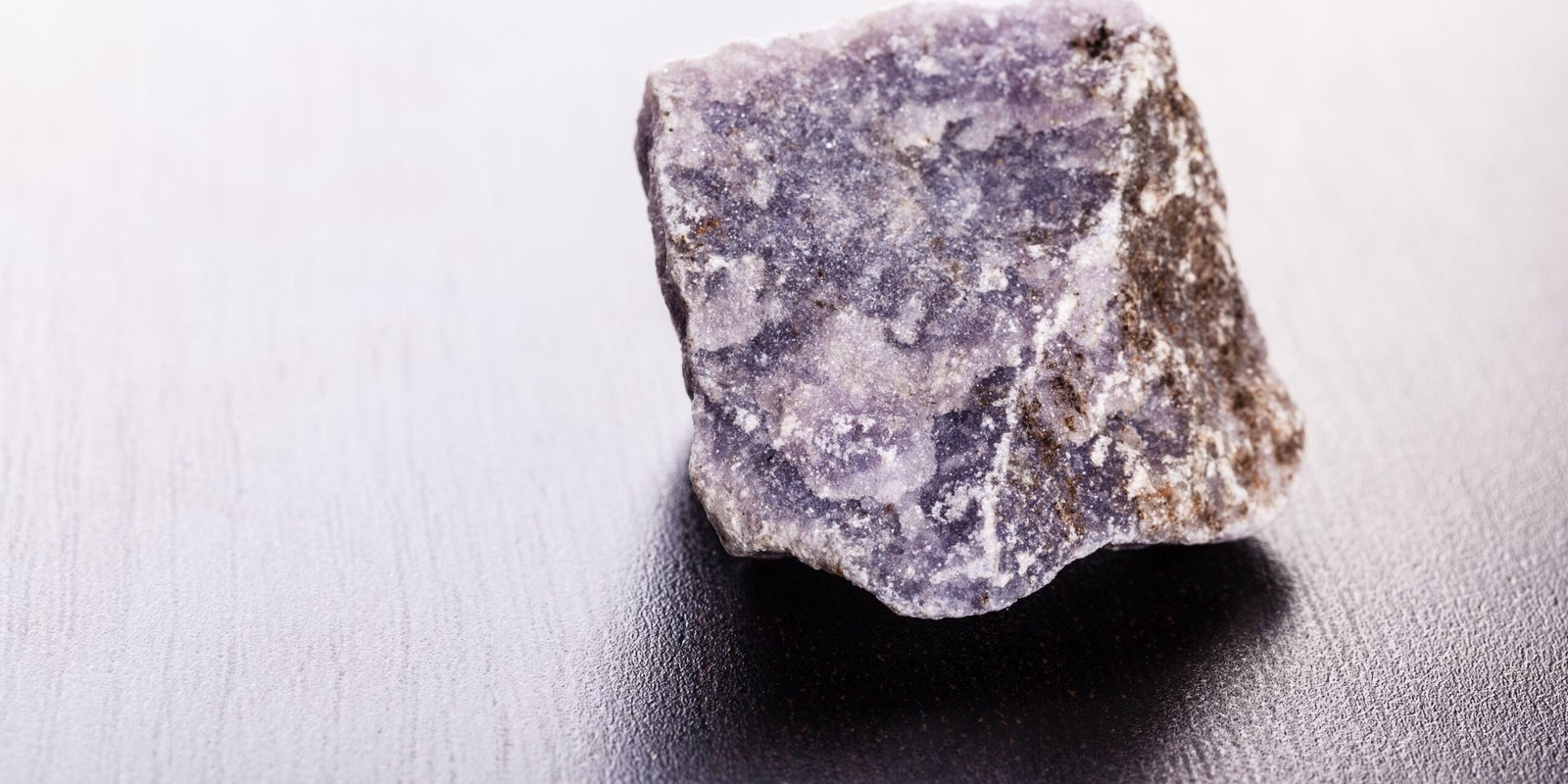
Lithium concentrate serves as the essential raw material for producing lithium carbonate and lithium hydroxide, the key compounds used in manufacturing lithium-ion batteries for electric vehicles, smartphones, and energy storage systems.

The concentrate also gets processed into specialized lithium chemicals for glass manufacturing, ceramics, pharmaceuticals, and industrial lubricants.

global battery demand projected to grow exponentially as countries transition to renewable energy and electric transportation, control over lithium processing represents increasingly strategic economic leverage.

Chinese companies have poured investment into Zimbabwe’s lithium sector, and the ban forces them to consider establishing processing facilities domestically.

While this could accelerate technology transfer and industrial development, Zimbabwe faces significant infrastructure constraints including unreliable electricity supply and a shortage of skilled technicians.

Policy reflects a broader continental shift toward resource nationalism

Namibia and Botswana have implemented similar beneficiation requirements for their critical minerals, while South Africa recently unveiled a Critical Minerals Strategy emphasizing downstream processing, research initiatives, and regional integration.

South Africa has allocated substantial budget resources for green hydrogen and battery storage projects as part of its ambition to become a regional industrial hub.

Infrastructure deficits and skills shortages threaten to undermine these beneficiation goals, while volatile global lithium prices add uncertainty to investment decisions.

Zimbabwe has already delayed portions of its policy amid price declines, highlighting the risks of advancing too rapidly without adequate industrial foundations.

Mining executives and development experts emphasize that success will require enhanced regional coordination through frameworks like the African Union’s Green Minerals Strategy and the African Continental Free Trade Area.

Fragmented national approaches risk weakening collective bargaining power with international investors and diluting the impact of individual policies.

Zimbabwe’s export prohibition represents one of the most assertive moves by an African government to claim greater value from its mineral wealth. The outcome will likely influence similar policies across the continent as resource-rich nations balance the immediate revenue from raw material exports against the longer-term benefits of industrial development.

Market analysts note that lithium prices have declined from their 2022 peaks, reducing the immediate financial pressure on battery manufacturers while giving governments more leverage to impose processing requirements.

The timing of Zimbabwe’s ban coincides with growing global attention to supply chain security and the geographic concentration of critical mineral processing in China.

Success will depend on Zimbabwe’s ability to attract processing investment while simultaneously addressing power supply reliability and workforce development.

The country’s experience could establish a template for other African nations seeking to move beyond commodity exports, or serve as a cautionary example of the challenges facing resource-dependent economies attempting rapid industrial transformation.

Zimbabwe to Ban Lithium Concentrate Exports as Africa Pushes Value-Added Mining

Zimbabwe to Ban Lithium Concentrate Exports as Africa Pushes Value-Added Mining
Refilwe Queenby Refilwe Queen
June 25, 2025

PRETORIA – Zimbabwe plans to prohibit exports of lithium concentrate starting in 2027, escalating the southern African nation’s push to transform its mining industry from a raw materials supplier into a higher-value processor of battery components.

The ban extends a 2022 prohibition on raw lithium ore exports and will impact major producers including Bikita Minerals and Prospect Lithium Zimbabwe, backed by Chinese investors.

Mines Minister Winston Chitando confirmed the policy aims to boost local beneficiation, generate employment, and establish Zimbabwe as a more significant player in the global battery supply chain.

The stakes are considerable. Zimbabwe ranked as Africa’s second-largest spodumene concentrate exporter to China in the first quarter of 2025, shipping approximately 209,000 tonnes of concentrate equivalent to about 25,800 tonnes of lithium carbonate.

This volume represents substantial foreign exchange earnings that the government now wants to multiply through downstream processing.

Lithium concentrate serves as the essential raw material for producing lithium carbonate and lithium hydroxide, the key compounds used in manufacturing lithium-ion batteries for electric vehicles, smartphones, and energy storage systems.

The concentrate also gets processed into specialized lithium chemicals for glass manufacturing, ceramics, pharmaceuticals, and industrial lubricants.

global battery demand projected to grow exponentially as countries transition to renewable energy and electric transportation, control over lithium processing represents increasingly strategic economic leverage.

Chinese companies have poured investment into Zimbabwe’s lithium sector, and the ban forces them to consider establishing processing facilities domestically.

While this could accelerate technology transfer and industrial development, Zimbabwe faces significant infrastructure constraints including unreliable electricity supply and a shortage of skilled technicians.

Policy reflects a broader continental shift toward resource nationalism

Namibia and Botswana have implemented similar beneficiation requirements for their critical minerals, while South Africa recently unveiled a Critical Minerals Strategy emphasizing downstream processing, research initiatives, and regional integration.

South Africa has allocated substantial budget resources for green hydrogen and battery storage projects as part of its ambition to become a regional industrial hub.

Infrastructure deficits and skills shortages threaten to undermine these beneficiation goals, while volatile global lithium prices add uncertainty to investment decisions.

Zimbabwe has already delayed portions of its policy amid price declines, highlighting the risks of advancing too rapidly without adequate industrial foundations.

Mining executives and development experts emphasize that success will require enhanced regional coordination through frameworks like the African Union’s Green Minerals Strategy and the African Continental Free Trade Area.

Fragmented national approaches risk weakening collective bargaining power with international investors and diluting the impact of individual policies.

Zimbabwe’s export prohibition represents one of the most assertive moves by an African government to claim greater value from its mineral wealth. The outcome will likely influence similar policies across the continent as resource-rich nations balance the immediate revenue from raw material exports against the longer-term benefits of industrial development.

Market analysts note that lithium prices have declined from their 2022 peaks, reducing the immediate financial pressure on battery manufacturers while giving governments more leverage to impose processing requirements.

The timing of Zimbabwe’s ban coincides with growing global attention to supply chain security and the geographic concentration of critical mineral processing in China.

Success will depend on Zimbabwe’s ability to attract processing investment while simultaneously addressing power supply reliability and workforce development.

The country’s experience could establish a template for other African nations seeking to move beyond commodity exports, or serve as a cautionary example of the challenges facing resource-dependent economies attempting rapid industrial transformation.

Get the inside Story

Stay informed on the stories shaping Africa’s future. Get breaking news, in-depth analysis, opinions and exclusive insights from across the continent delivered to your inbox, free and unfiltered.


Get in touch for more:
Felix Tih
Editorial Director, Bantu Gazette
WhatsApp
LinkedIn
X (Twitter)
Instagram

Related Posts

Cameroon Moves to Tighten Grip on Oil Liftings, Revenues

Cameroon Moves to Tighten Grip on Oil Liftings, Revenues

by Marina Bisse
April 25, 2026
0

...

Zambia Commissions 50 MW Solar Plant in Luapula Province

Zambia Commissions 50 MW Solar Plant in Luapula Province

by Amani Mwakalebela
April 25, 2026
0

...

Sierra Leone Signs Shell Deal as Offshore Drilling Decision Nears

Sierra Leone Signs Shell Deal as Offshore Drilling Decision Nears

by Jane Mukami
April 24, 2026
0

...

Sahel Nations Secure Coordinated Development Frameworks to Drive Jobs, Growth

Sahel Nations Secure Coordinated Development Frameworks to Drive Jobs, Growth

by Aissatou Fall
April 21, 2026
0

...

Ethiopia Eyes Double-Digit Growth as Reform Agenda Takes Hold

Ethiopia Eyes Double-Digit Growth as Reform Agenda Takes Hold

by Maraki Desta
April 20, 2026
0

...

President El-Sisi Urges Deadlines for 377,000 Housing Units Across Egypt

President El-Sisi Urges Deadlines for 377,000 Housing Units Across Egypt

by Samira Benhadda
April 20, 2026
0

...

Kenya, Ethiopia Dominate London Marathon With Twin World Records
Sports

Kenya, Ethiopia Dominate London Marathon With Twin World Records

by Maraki Desta
Reading Time: 2 mins read
April 27, 2026
0

Kenya's Sabastian Sawe rewrote the record books on Sunday, becoming the first man in history to complete an official marathon...

Read moreDetails
Cameroon Moves to Tighten Grip on Oil Liftings, Revenues

Cameroon Moves to Tighten Grip on Oil Liftings, Revenues

by Marina Bisse
April 25, 2026
0

Cameroon's state oil company is pushing to deepen its control over how the country's crude is measured and lifted, using...

Ghana Launches National AI Strategy to Drive Digital Transformation, Economic Growth

Ghana Launches National AI Strategy to Drive Digital Transformation, Economic Growth

by Elise Ntebah
April 25, 2026
0

Ghana's President John Dramani Mahama launched the country's National Artificial Intelligence Strategy on Friday, committing to a 10-year implementation plan...

Zambia Commissions 50 MW Solar Plant in Luapula Province

Zambia Commissions 50 MW Solar Plant in Luapula Province

by Amani Mwakalebela
April 25, 2026
0

MANSA, Zambia Zambian President Hakainde Hichilema on Friday commissioned a 50-megawatt solar plant in Mansa District’s Luapula Province, marking the...

Sierra Leone Signs Shell Deal as Offshore Drilling Decision Nears

Sierra Leone Signs Shell Deal as Offshore Drilling Decision Nears

by Jane Mukami
April 24, 2026
0

Sierra Leone signed an exploration agreement with Shell covering 18 offshore blocks, as the country moves toward a drilling decision...

Next Post
Cameroon’s Dr. George Elombi Named Next Afreximbank President

Cameroon's Dr. George Elombi Named Next Afreximbank President

African Investment Day Builds Momentum for Pan-African Partnerships in Istanbul

African Investment Day Builds Momentum for Pan-African Partnerships in Istanbul

Ghana’s Cedi Rally Shows Path Forward for Emerging Markets

Ghana's Cedi Rally Shows Path Forward for Emerging Markets

Kigali’s Transport Upgrade to Ease Commutes and Boost Jobs

Kigali’s Transport Upgrade to Ease Commutes and Boost Jobs

Bantu Gazette is a pioneering news platform that champions Africa's development, culture, and heritage. We spotlight the continent's successes, address its challenges, and provide insightful coverage of events that shape its future.

Bantu Gazette is a pioneering news platform that champions Africa's development, culture, and heritage. We spotlight the continent's successes, address its challenges, and provide insightful coverage of events that shape its future.

Our Platforms

  • Bantu Magazine
  • Bantu Brief
  • Black Frame Studio

Our Services

  • Bantu Agency
  • Advertise
  • Partnerships

Our Services

  • Editorial Director
  • Opportunities
  • Contact

Bantu Gazette is a pioneering news platform that champions Africa's development, culture, and heritage. We spotlight the continent's successes, address its challenges, and provide insightful coverage of events that shape its future.

Our Platforms

  • Bantu Magazine
  • Bantu Brief
  • Black Frame Studio

Our Services

  • Bantu Agency
  • Advertise
  • Partnerships

Our Services

  • Editorial Director
  • Opportunities
  • Contact
Bantu Gazette
  • Energy & Trade
  • Finance
  • Health
  • Politics & Economy
  • Technology
  • Environment
  • Feature
  • Opinion
  • Changemakers
  • Tourism & Culture
  • Magazine