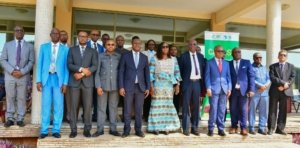

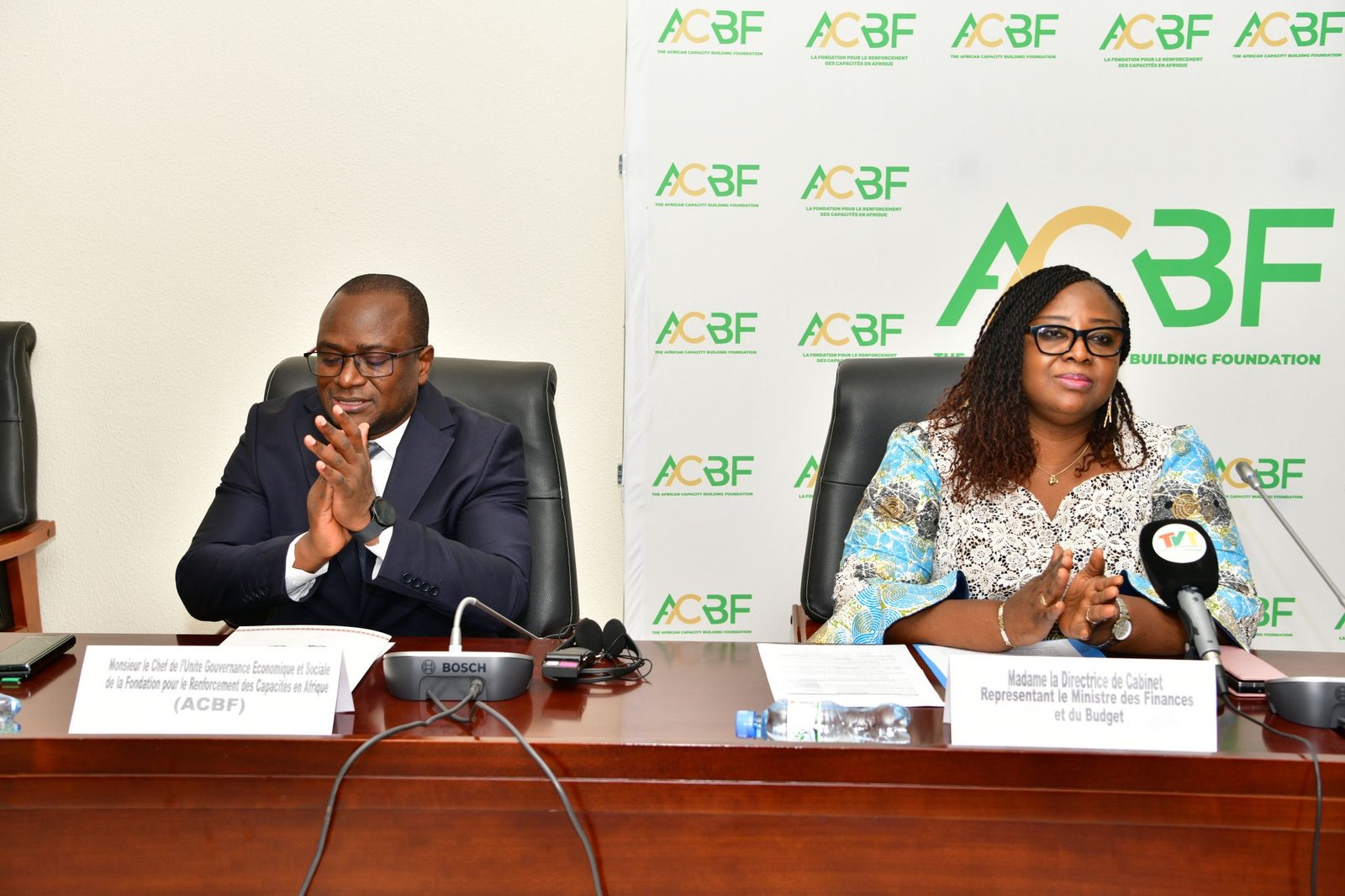

Senior finance and tax officials from eight African countries met in Lomé from Feb. 9 to 13, 2026, for a regional workshop on climate-sensitive fiscal policy organized by the African Capacity Building Foundation, or ACBF, with support from the African Development Bank.
The training, part of the Capacity Development for Africa’s Structural Transformation Project, known as CADAST, aims to strengthen governments’ ability to integrate climate considerations into macroeconomic policy and fiscal management.
Participants included senior finance and tax officials from the Central African Republic, the Democratic Republic of the Congo, Malawi, Mauritania, Rwanda, Gambia, Uganda and Togo.
Public debt across Africa rose about 230 percent between 2010 and 2022, limiting fiscal space for social services and climate adaptation, according to ACBF. Climate shocks continue to strain agriculture, natural resources and public finances.
At the opening, representatives of the Togolese government said integrating climate considerations into fiscal policy aligns with national reforms to strengthen domestic resource mobilization, improve tax equity and support sustainable development goals.
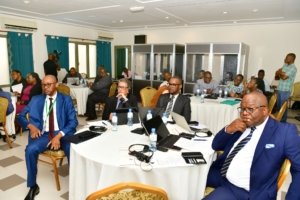
Mawussé Adetou Afidenyigba, chief of staff at Togo’s Ministry of Economy and Finance, said the meeting comes at a timely moment to help countries address green taxation challenges. “Climate change is no longer a potential or distant threat. It is now a major economic and budgetary reality for our countries,” she said.
Essowe Georges Barcola, representing Togo’s minister of finance and budget, called the workshop a valuable platform for sharing experiences and fiscal innovations, saying green taxation can encourage cleaner production, reduce emissions and support climate adaptation programs.
Peguewinde Rodolphe Bance, head of ACBF’s Economic and Social Governance Unit, said Africa remains highly vulnerable to climate impacts despite limited global emissions.
He noted the continent’s average tax-to-GDP ratio is about 15 percent, below the roughly 20 percent often cited as necessary to sustain public investment.
The foundation also highlighted its BETA program, Building Excellence in Taxation and Administration, which offers training through courses, webinars and podcasts covering digital taxation, fiscal governance and economic research.
Jules Tapsoba, executive secretary of the West African Tax Administrations Forum, emphasized the need for stronger domestic resource mobilization and closer regional cooperation to help tax and customs administrations address climate-related fiscal challenges.