

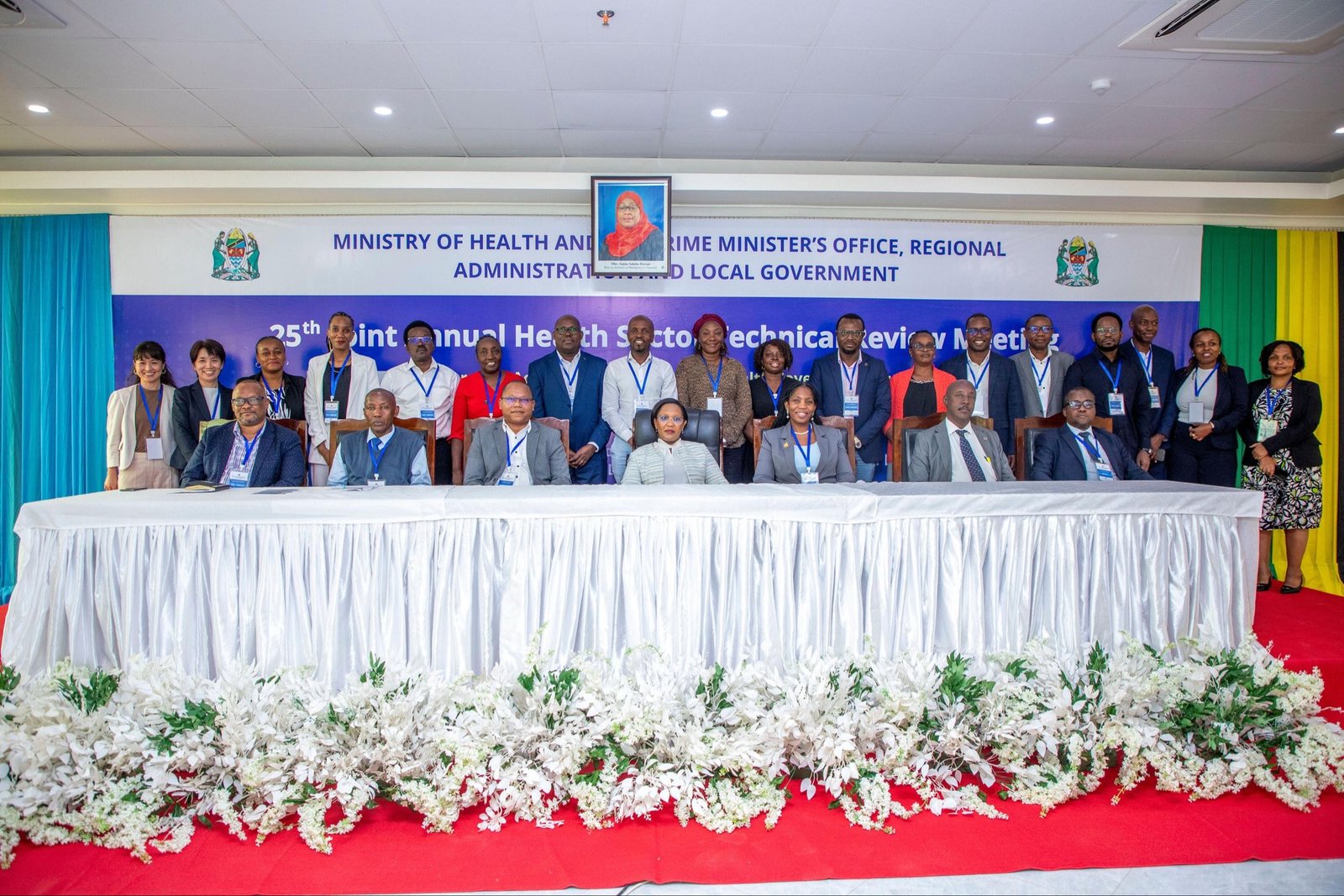

Tanzania’s government and health partners concluded a two-day policy review in Dodoma on March 18, setting spending priorities for the 2026-27 financial year and laying the groundwork for the country’s next five-year health strategy.
The annual meeting drew government officials, United Nations agencies, private-sector representatives and civil society groups to assess 2025 performance ahead of a formal ministerial policy meeting due before the end of March.
Tanzania is midway through a national universal health insurance rollout and a digital overhaul of public health infrastructure.
How the country finances and governs its health system through 2031 hinges on the commitments made this month.
According to a World Health Organization (WHO) statement, officials highlighted improvements in maternal health outcomes, primary care participation, and immunization coverage.
The government also reported that 97.8% of public facilities now run the national digital health management platform.
But shortages of trained health workers, rising rates of noncommunicable diseases and fragmented digital systems were flagged as the sector’s most stubborn constraints.
Acting Permanent Secretary of the Ministry of Health, Dr. Alex Magesa, emphasized the importance of evidence‑based decision‑making to drive accountability and measurable improvements.
Development partners pledged support for the insurance rollout and the new five-year plan while warning that declining external financing makes stronger domestic budget commitments essential.
Private providers said workforce and infrastructure investment must keep pace with demand growth driven by expanding insurance coverage.
Policy commitments from the meeting will be formally approved at a joint ministerial session co-chaired by the ministers of health and regional administration.