
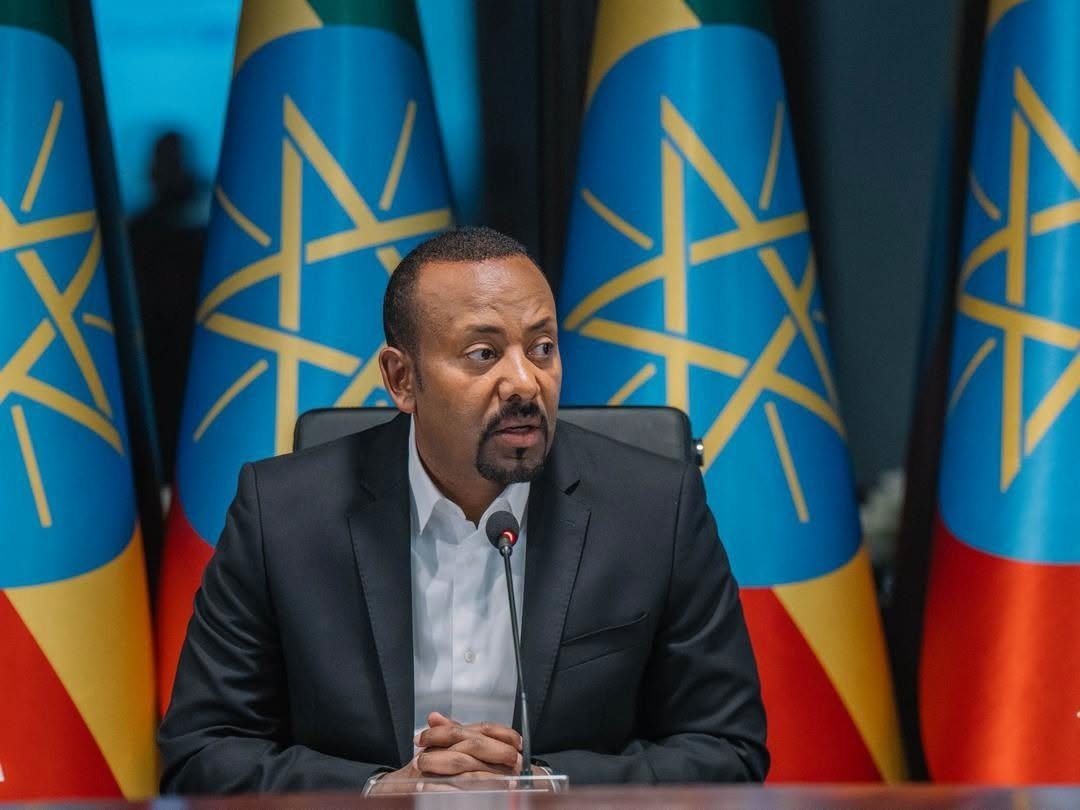

Ethiopia’s economy is growing at 9.2% and is projected to accelerate to 10.2% in the coming year, Prime Minister Abiy Ahmed said Monday, as he presided over the 100-day review and 9-month performance report.
Abiy said the country had moved away from an economy burdened by weak institutions, limited private sector participation and inefficient state enterprises carrying high levels of debt.
“We have adopted a new, pragmatic political economy approach,” he said. “This shift has enabled the achievement of strong, double-digit growth momentum.”
The government reported an average growth rate of 7.5% sustained over the past eight years, with sectoral targets now set at 7.9% for agriculture, 13.2% for industry and 9.3% for services.
According to the Office of the Prime Minister, the government implemented a pragmatic reform agenda to open the economy to competition, advance homegrown policies, and diversify growth across sectors.
State-owned enterprises shifted from an 8 billion birr ($51.3 million) loss to generating 2.1 trillion birr ($13.5 billion) in revenue over nine months, creating approximately 96,000 jobs in that period.
The investment climate showed measurable improvement, with 2,153 new licenses issued, 65% of them in manufacturing. Manufacturing’s market share rose from 25% to 46%, supported by increased agricultural mechanization and significant growth in gold exports.
Digital transformation advanced through 4G and 5G rollout, expanded digital public services and the establishment of AI-focused institutions.
Abiy said the reforms reflected a commitment to building “a more resilient, competitive and inclusive economy,” with productivity gains and reduced climate vulnerability among the stated long-term objectives.