
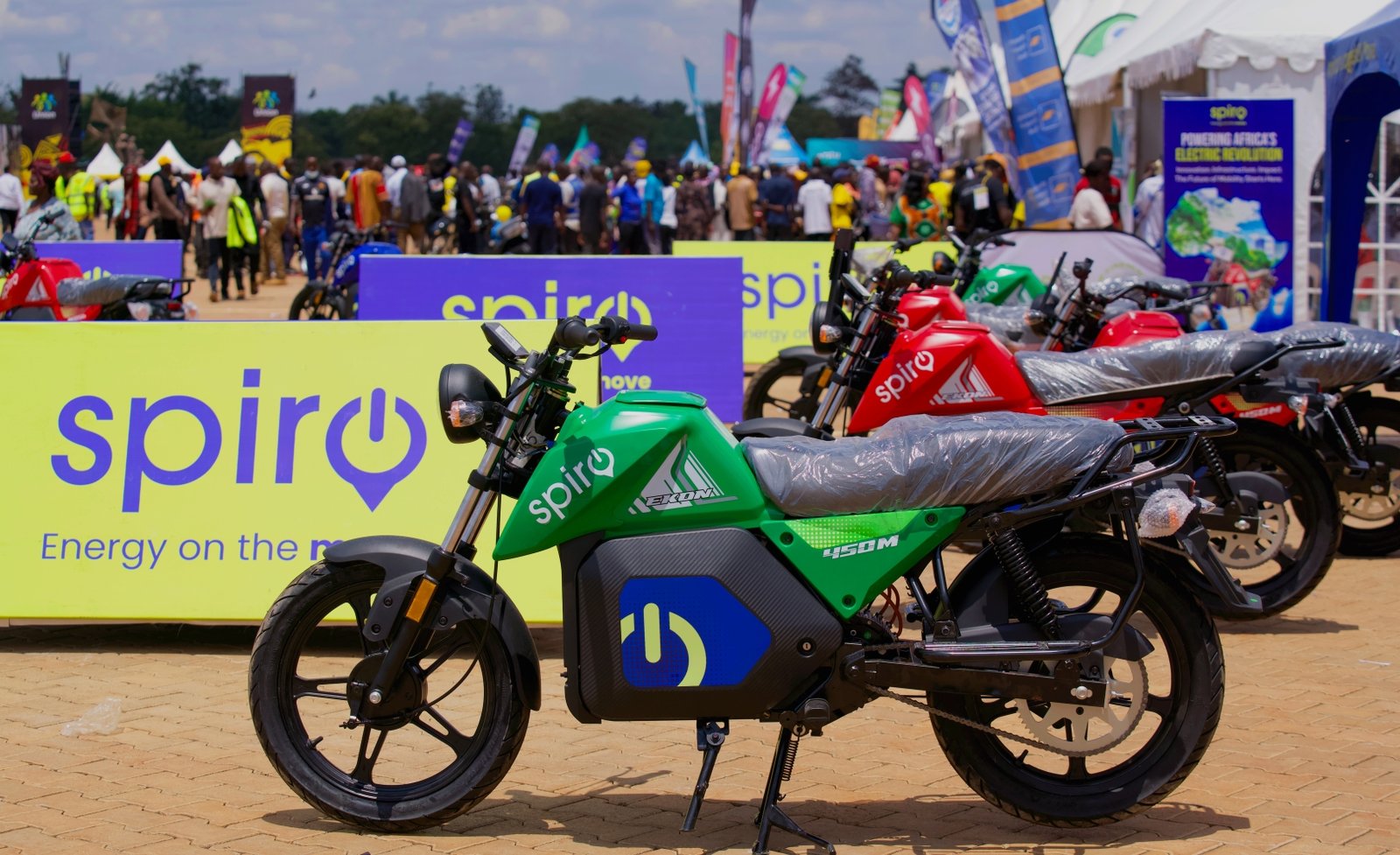

African electric mobility company Spiro has raised $215 million in an equity investment round to expand its electric vehicle and battery-swapping infrastructure across the continent, the company said Monday.
The investment is backed by major institutional investors, including Impact Fund Denmark and Equitane, and will support expansion into new markets, strengthen manufacturing capabilities and accelerate the rollout of battery-swapping stations and electric vehicle technologies.
The deal comes as investors increasingly look to Africa’s electric mobility sector for growth opportunities.
Governments across the continent are seeking ways to reduce dependence on imported fuel, improve energy security and modernize transportation systems.
Rising fuel costs and growing demand for affordable transport have also increased interest in electric vehicles and related infrastructure.
Spiro currently operates in Kenya, Rwanda, Uganda, Togo, Benin, Nigeria and Cameroon.
The company plans to use the new capital to scale its battery-swapping network, expand local assembly operations and enter additional high-growth markets, including the Democratic Republic of Congo and Ethiopia.
According to the company, it has deployed more than 100,000 electric motorcycles and established over 2,500 battery-swapping stations across Africa.
Spiro said riders can reduce daily transportation costs by up to 40%, saving as much as $2 per day compared with conventional fuel-powered motorcycles.
Environmental assessments conducted on Spiro’s operations in Kenya found that its electric motorcycles can reduce climate impact by 72% compared with fossil-fuel alternatives.
The assessment estimated that each vehicle could help avoid about 19 tons of carbon dioxide emissions during its lifetime.
Researchers also found lower levels of ozone depletion and particulate matter emissions, which can contribute to improved air quality in urban areas.
“This past year marked a defining strategic milestone for Spiro,” said Gagan Gupta, founder of Spiro and chairman of Equitane. He said the company has helped create about 6,000 direct and indirect jobs across its markets while making electric mobility more accessible to riders.