

HARARE
Zimbabwe is strengthening its health workforce through new recruitment, training and investment initiatives aimed at improving access to quality health services and advancing universal health coverage (UHC), with support from the World Health Organization (WHO) and the UHC Partnership.
The country continues to face a critical shortage of health workers. In 2022, Zimbabwe had about 23 doctors, nurses and midwives per 10,000 people, less than half the WHO-recommended benchmark of 45 per 10,000 needed to achieve universal health coverage.
To address the gap, the government conducted a Health Labour Market Analysis in 2022 with support from WHO and the UHC Partnership.
The findings informed Zimbabwe’s Health Workforce Strategy and the Health Workforce Investment Compact, which brings together government, development partners, training institutions and international organizations to coordinate workforce planning, financing and management.
Health and Child Care Minister Dr. Douglas Mombeshora described the strategy and investment compact as “a pivotal step” in translating commitments into action and strengthening Zimbabwe’s health system.
The compact outlines a US$1.63 billion investment framework for 2024–2026, with the government committing to finance about 75% of the required resources.
Since its launch in October 2024, it has helped accelerate key reforms, including the approval of 14,060 additional public health worker posts.
More than 5,000 health workers were recruited in 2025, while another 8,775 positions are expected to be filled in 2026.
Recruitment has prioritized unemployed medical graduates and critical cadres such as nurses, midwives, pharmacists and laboratory technicians.
Additional investments are supporting rural retention, village health workers, leadership development and e-learning.
WHO Representative to Zimbabwe Dr. Desta Tiruneh said WHO has supported the government from conducting a comprehensive health labour market analysis to facilitating policy dialogue and investment planning.
He said these efforts are helping build “a resilient, motivated and well-supported workforce” capable of advancing universal health coverage.
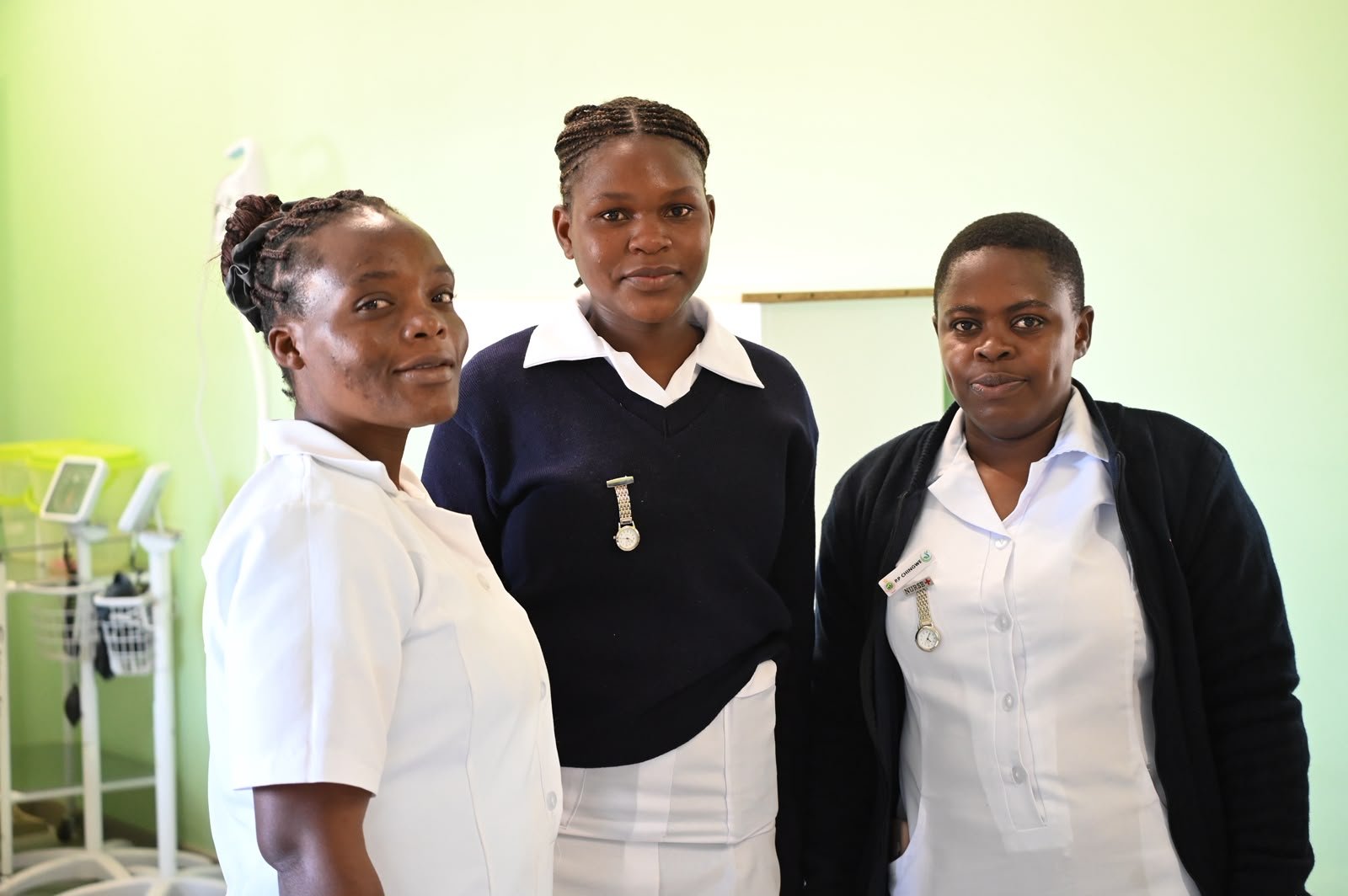
The impact is already being felt by frontline health workers. Audrey Musorowembudzi, a primary health care nurse at Hurungwe Rural Hospital, recently completed training on integrated care for women’s cancers.
She said the training would make her work “more effective than before” and that she plans to share the knowledge with colleagues “to ensure that everyone is informed and no woman is left behind.”
According to WHO, these investments are contributing to increased health workforce density and strengthening the country’s capacity to deliver quality care, particularly in rural and underserved communities.